 Dogs & Cats
 Cattle
 Equine
 Poultry
 Swine
Swine Goats & Sheep
 Game Bird
 Gamecock
 Deer & Wildlife
 Fish & Pond
 Rabbit
 Specialty
 Ingredients & Bulk
 Special Order
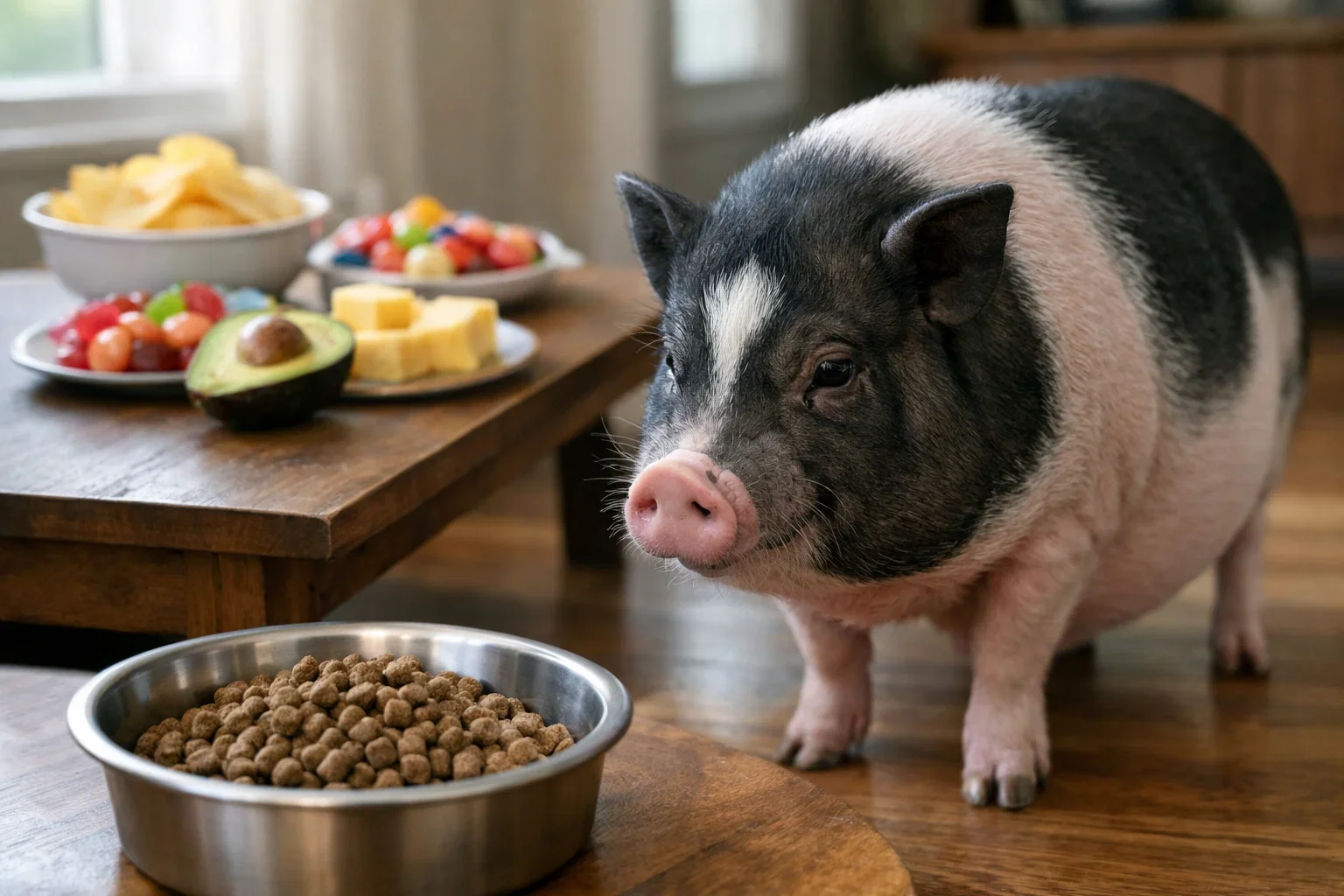
You don’t need to be told that when you share your home with a potbelly pig, they are curious, clever, and willing to taste almost anything they can reach. Their enthusiasm for eating is part of their charm — but it is also exactly why proper nutrition is so important. Understanding what not to feed a potbelly pig can make the difference between a healthy, happy companion and one struggling with serious digestive or organ problems. And when your pig is pregnant or has just delivered piglets, the nutritional stakes become even higher, making the right pig food choices absolutely critical.
From identifying prohibited foods to understanding proper nutrition during pregnancy and lactation, this guide covers everything you need to know. With the right knowledge and carefully selected pig food, you can confidently fill that bowl knowing you are supporting your pig’s long-term health and wellbeing.
Why Diet Matters More for Potbelly Pigs Than You Think
Potbelly pigs also have sensitive digestive systems quite different compared to farm pigs or even dogs and cats. They are omnivores, yes, but that does not imply that they are safe at the same time as they are able to process all the stuff humans consume. Their liver, kidney and heart are especially sensitive to the high sodium level, sugar level and some plant substances. Excessive feeding is also hazardous – obesity in potbelly pigs causes joint issues, fat deposits surrounding the eyes that result in blindness, and a very short life span of pigs.
The North American Potbellied Pig Association (NAPPA) suggests that on average, a healthy adult potbelly pig can only eat up to 1/2 cup of pellet food per 25 pounds of body weight per day which is surprisingly little and most new owners are shocked by this.
Pigs will plead persuasively even when full since their appetite is practically insatiable. Food knowledge will enable you to stand your ground because the eyes of those who are pleading will be staring at what you cannot eat.
What Not to Feed a Potbelly Pig: The Foods to Avoid at All Costs
This is the core of what every potbelly pig owner needs to know. The list of harmful foods is longer than most people expect, and some of the items on it are everyday household staples.
1. Salty and Processed Foods
One of the most widespread and the most hazardous food issues in potbelly pigs is salt toxicity. Such foods as chips, pretzels, crackers, deli meats, canned soup, and fast food contain enormous amounts of sodium which cannot be processed by a pig kidney. Salt poisoning in swine results in neurological effects such as seizures, blindness and death in extreme cases. Even the tiniest things that would appear to be harmless: a bite of pizza crust or a chip or two can accumulate fast and result in damage in the long term.

2. Sugary Foods and Sweets
Pigs should never get candy, cookies, soda, fruit juice, and sugary cereals in their food bowl. The Potbelly pigs are quite susceptible to diabetes and obesity and a diet even infrequently supplemented with sugar will raise the level of obesity and diabetes tremendously. Although fruit does contain natural sugar, it is all right in very minute portions, a slice of apple, or a couple of blueberries, but must never be served in bulk.
3. Meat and Animal Products
This is something that surprises many people. Although pigs are technically omnivores, feeding meat to potbelly pigs is both unhealthy and, in many areas, illegal due to strict biosecurity regulations. Meat can carry pathogens that may not be immediately visible and can introduce serious disease risks. It also adds excessive protein levels that their systems are not designed to metabolize efficiently. This includes raw meat, cooked meat, bones, and even meat-based broths.
Modern animal food manufacture follows strict safety and biosecurity standards to ensure feeds are free from harmful contaminants and properly balanced for the species they are designed for. For potbelly pigs, it is always safest to rely on professionally formulated feeds rather than offering meat or table scraps that could compromise their health.
4. Dairy Products
Cheese, milk, ice cream, and butter are hard on a pig’s digestive system. Most adult pigs are lactose intolerant, and dairy products frequently cause bloating, diarrhea, and gastrointestinal distress.
5. Certain Vegetables and Plants
All vegetables are not pig friendly. Allium family salts include onions, garlic, leaks and chives which have the ability of damaging red blood cells of pigs. Solanine is a poisonous substance found in raw potatoes and skins of the potato which makes one ill. The leaf of the rhubarb is exceedingly poisonous, as are the leaves and stems of tomatoes (but the ripe tomato fruit is good in moderation). Persin is harmful to many animals such as pigs and is contained in avocados.
6. Alcohol and Caffeinated Beverages
This is needless to say, but pigs must not drink alcohol, coffee, tea, or power drinks. These drugs influence the nervous system and cardiovascular activity in a manner that may be life-threatening in acuity.
7. Moldy or Rotten Food
Pigs are even regarded as living garbage disposals, which is a negative myth. Moldy food has mycotoxins, a fungal living compound that is extremely dangerous to pigs and may lead to liver failure, reproductive dysfunction, and damage to their immune system.
| Foods to Avoid | Reason for Danger |
| Salty snacks (chips, pretzels) | Salt toxicity, neurological damage |
| Sugary treats and candy | Obesity, diabetes risk |
| Onions, garlic, leeks | Red blood cell destruction |
| Raw potatoes and skins | Solanine poisoning |
| Avocado | Persin toxicity |
| Meat and animal products | Pathogens, illegal in many states |
| Moldy or rotten food | Mycotoxin poisoning, liver failure |
| Alcohol and caffeine | Nervous system damage |
| Dairy products | Lactose intolerance, GI distress |
| Rhubarb leaves | Oxalic acid toxicity |
What to Feed a Potbelly Pig the Right Way
You now know what you should not feed a potbelly pig so now is what a healthy diet should look like. This must be based on a high-quality commercially produced mini-pig pellet which is specially designed and formulated to feed potbelly or miniature pig rather than hog grower feed which is excessive in calories and is designed to lead to rapid weight gain in farm pigs.
Add vitamin-C rich leafy greens such as romaine lettuce, kale, spinach, and cabbage in the form of supplement pellets. Root vegetables such as carrots, beets and sweet potatoes may be provided in moderation. New herbs such as basil and parsley are safe and pleasant. Unlimited access to clean and fresh water should be always since dehydration may aggravate most of the health conditions in pigs.
What to Feed a Pregnant Pig: Nutrition That Supports Life
The pregnancies alter everything concerning the pig body operation. The nutritional requirements of a pregnant sow are very high especially during the last weeks of pregnancy. It is equally important to know what to feed a pregnant pig; as it is to know what to avoid feeding her.
The diet of a sow does not require significant change during the first two-thirds of pregnancy, but close attention should be paid to caloric intake to ensure a satisfactory weight gain. Her energy requirement is great during the last three to four weeks, which is the flushing period. This is where superior quality of pellets, further greens, and little quantities of complex carbohydrates such as cooked sweet potato can be especially helpful.
During pregnancy, calcium and phosphorus are essential to aid in the growth of bones of the fetus. A large number of veterinarians prescribe a supplement or a diet that inherently contains calcium-rich dark leafy greens towards the end of pregnancy. Selenium and vitamin E are also vital in averting muscular frailty in the newborn piglets which is known as white muscle disease.
The gestation period of a potbelly pig is around 114 days – a number that is easily recalled as 3 months, 3 weeks, and 3 days. The level of iron requirements of the sow during this period goes high in terms of making the piglets have good blood development.
What Not to Feed a Pregnant Pig
All the foods that are prohibited on the general list are doubled with relation to pregnancy. Nonetheless, there are some considerations that are peculiar to pregnant sows. Grains that have been contaminated with ergot, a fungal infection that can sometimes arise with improperly stored feed can result in reproductive failure and are particularly dangerous in pregnant pigs. The supplements contain excess vitamin A and when this is taken in excess, it may bring about birth defects hence supplementation should be provided only with the guidance of the veterinarian. Feat food that is moldy is even more harmful during pregnancy when mycotoxins go through the placenta barrier and damage developing piglets.
| Pregnancy-Specific Concerns | Risk |
| Ergot-contaminated grain | Reproductive failure, early delivery |
| Excess vitamin A supplementation | Birth defects |
| Moldy or improperly stored feed | Fetal harm via mycotoxins |
| High-sodium processed foods | Fluid retention, hypertension |
| Insufficient calcium | Weak fetal bone development |
Avoid making sudden dietary changes during pregnancy, as the stress of a shifting diet can cause digestive upset and even trigger early labor in some cases.
What to Feed a Pig After Giving Birth

The first days after a birth are among the most nutritionally challenging periods in a life of a sow. She is milking, she is feeling tired after a physical activity, and she may be taking care of a litter of piglets. Spiritual instruction on what to feed a pig after delivery guarantees that she will have materials to feed her piglets and renew her body.
During the initial 24 hours after birth, give warm water often and light, easy to digest food – consider soft cooked vegetables and a slightly lower pedant intake to prevent the overwhelm of the digestive system as her system adapts. Her dietary consumption is supposed to increase significantly after the first day. The amount of calories and water that lactating sows require is very high compared to any other life stage.
Proceed to calcium-rich greens and make her adjust her pellet consumption to correspond with energy production. The access to fresh water is also more imperative in the cases of lactation – the milk production requires much hydration. The forbidden food list should be avoided and that salt must be taken with particular care because the lack of sodium balance in pregnancy can influence the quality of milk.
A Note on Treats and Human Food
Many potbelly pig owners enjoy giving treats as part of bonding and enrichment. That is perfectly fine — with the right foods. Safe treat options include small pieces of unsalted, air-popped popcorn, cucumber slices, watermelon chunks (without seeds), cooked plain rice, and leafy herb bundles. The key is that treats should make up no more than five percent of your pig’s total daily diet.
Final Thoughts
One of the most important things you can do to a potbelly pig is to feed it well to ensure they live a good life. The rules are not difficult to learn when you have learned them, they just have to be consistent. Being aware of what a potbelly pig should not feed on, and knowing how these rules change in case of pregnancy and after childbirth makes you a truly good position to take a healthy and happy pig. In the case of doubt, it is best to consult a more experienced veterinarian who works with exotic or pot-bellied pigs since the veterinarian would be able to offer advice based on the weight of your pig, age, and health background.
FAQs
1. What not to feed a potbelly pig on a daily basis?
Potbelly pigs should not be fed salty, sugary, fatty, or processed human foods on a daily basis. These foods can cause obesity, organ stress, and metabolic disorders over time. A consistent, balanced pig-specific diet is essential for long-term health.
2. Why are salty foods dangerous for potbelly pigs?
Salty foods are dangerous because potbelly pigs are highly sensitive to sodium. Excess salt can lead to dehydration, kidney damage, neurological problems, and even seizures. Even small amounts consumed regularly can become toxic.
3. Can potbelly pigs eat meat or animal products?
Potbelly pigs should not eat meat or animal by-products as they are difficult to digest and increase disease risk. Meat does not meet their nutritional needs as companion animals. In many places, feeding meat to pigs is also legally restricted.
4. Are fruits safe for potbelly pigs?
Fruits are safe only in very limited quantities due to their high natural sugar content. Too much fruit can lead to rapid weight gain and insulin resistance. Fruits should be given as occasional treats, not daily food.
5. What vegetables should potbelly pigs avoid?
Potbelly pigs should avoid onions, garlic, leeks, raw potatoes, and tomato plants. These foods contain toxic compounds that can harm blood cells or digestion. Always research vegetables before adding them to a pig’s diet.
6. What should you feed a pregnant potbelly pig?
A pregnant potbelly pig should be fed high-quality mini-pig pellets along with fresh leafy greens. Nutritional needs increase in late pregnancy, especially for energy and minerals. Overfeeding early in pregnancy should be avoided.
7. What not to feed a pregnant pig specifically?
Pregnant pigs should never eat moldy feed, spoiled grains, or excessive supplements. These can cause pregnancy complications, weak piglets, or miscarriage. Clean, consistent, and safe feed is critical during gestation.