 Dogs & Cats
 Cattle
 Equine
 Poultry
 Swine
Swine Goats & Sheep
 Game Bird
 Gamecock
 Deer & Wildlife
 Fish & Pond
 Rabbit
 Specialty
 Ingredients & Bulk
 Special Order

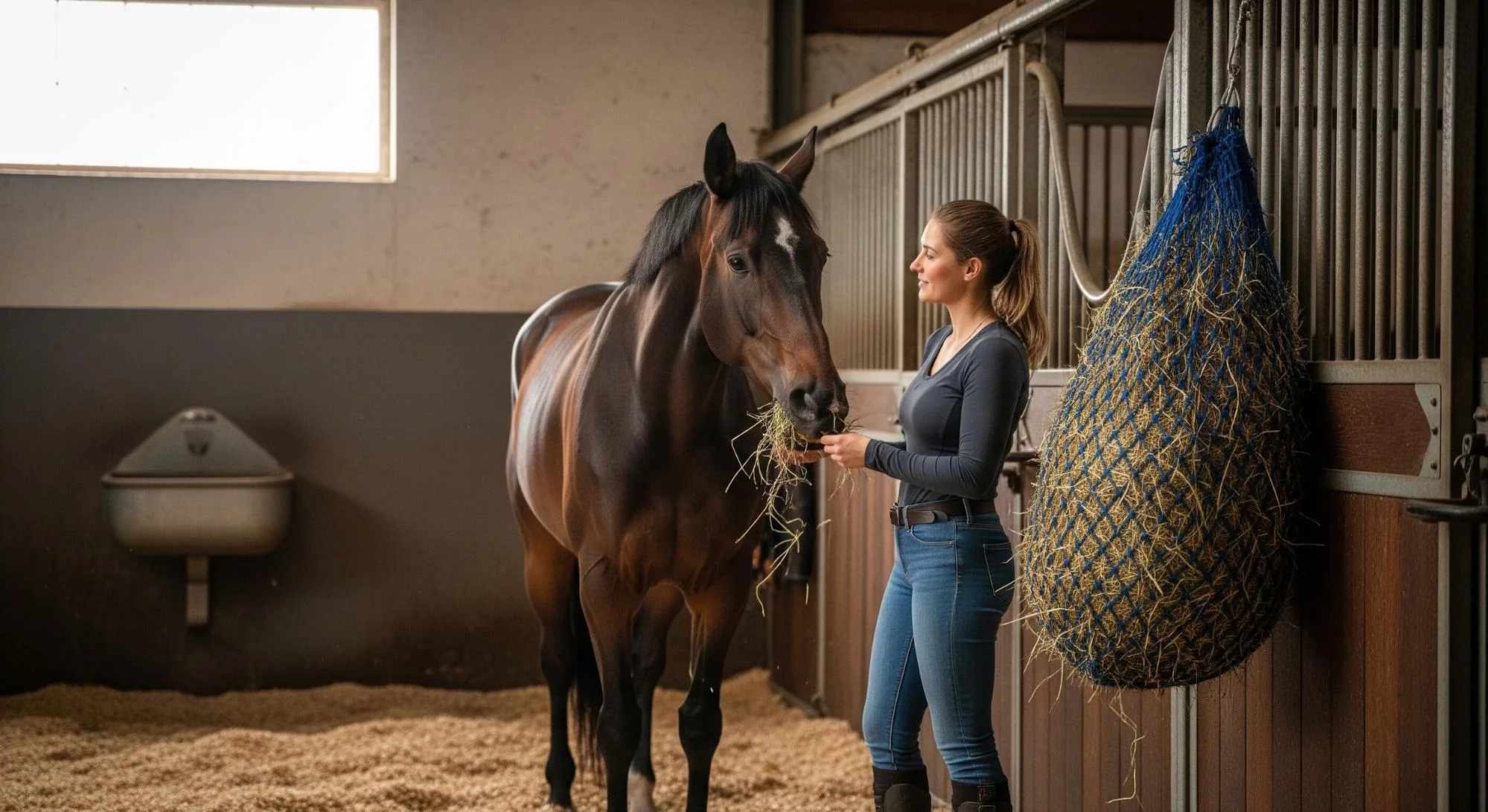
This is the most important question that every horse owner may ask when he or she is done with a good ride: when should I feed my horse? When you feed your horse, it is not only a matter of convenience, it is a key element of equine health that may affect the digestion process, recovery, and the general health condition.
Understanding Your Horse’s Digestive System
Horses have developed to become endless grazers with a highly eccentric digestive system. Their stomachs are not very large, which is 2-4 gallons, and they generate gastric acid on a constant basis unlike humans. This biology causes one to have to exercise caution with regard to when to eat.
When a horse is working, blood supply is diverted away from the digestive system and toward the active muscles. During this work mode—especially immediately after exercise—feeding can interfere with normal digestion and may lead to serious issues such as colic, one of the leading causes of death in horses. Understanding this physiological response is essential when managing feeding routines and selecting appropriate livefeed stock to support equine health and recovery.
The Golden Rule: Wait at Least 30-60 Minutes
How long after riding to feed horse? The general veterinary recommendation is to wait a minimum of 30 to 60 minutes after riding before offering a full meal. However, this timing can vary based on several factors:
- Intensity of work: Light walking may require only 30 minutes, while intense training sessions may need 60-90 minutes
- Individual horse: Senior horses or those with metabolic issues may need longer cooling periods
- Weather conditions: Hot, humid conditions require extended cooling time
- Type of feed: Concentrates require more wait time than hay
Best Time to Feed Horse After Riding
The best time to feed your horse after riding follows a systematic cooling-down protocol:
Immediate Post-Ride (0-15 minutes)
- Allow small sips of water
- Walk the horse to gradually lower heart rate
- Monitor breathing return to normal
Early Recovery (15-30 minutes)
- Offer unlimited access to fresh water once respiration is normal
- Begin grooming to check for injuries
- Allow grazing on grass or small amounts of hay
Optimal Feeding Window (30-90 minutes)
This is the best time to feed horse after riding for most situations. At this point:
- Heart rate has returned to resting (typically 30-40 beats per minute)
- Body temperature has normalized
- Breathing is relaxed and regular
- The horse is dry or mostly dry
How to Safely Feed Horse After Work
Implementing a safe post-ride feeding routine protects your horse from serious digestive issues. Here’s a step-by-step protocol:
Step 1: Cool Down Properly

Never skip the cool-down phase. Walk your horse for 10-15 minutes after dismounting, allowing their respiratory and cardiovascular systems to gradually transition back to rest mode.
Step 2: The Water Test
Once your horse’s breathing has normalized, offer water. A horse that is properly cooled will drink calmly. If they gulp water desperately, they need more cooling time.
Step 3: Offer Hay First
Before grain or concentrates, provide access to hay. The fiber in hay stimulates saliva production and helps buffer stomach acid that has been accumulating.
Step 4: Wait for Concentrate Feeds
If your horse receives grain or pelleted feeds, wait the full 60 minutes after intense work before offering these concentrated energy sources.
Factors That Affect Post-Ride Feeding Time
| Factor | Impact on Wait Time | Recommendation |
| Light exercise (trail walking) | Minimal | 30 minutes minimum |
| Moderate work (schooling, light jumping) | Moderate | 45-60 minutes |
| Intense training (racing, eventing, endurance) | Significant | 60-90 minutes |
| Hot/humid weather | Extended cooling needed | Add 15-30 minutes |
| Senior horses (15+ years) | Slower recovery | Add 15-20 minutes |
| Horses prone to colic | Higher risk | Full 90 minutes |
Signs Your Horse Is Ready to Eat
Before offering feed, check these physiological markers:
Respiratory Rate: Should return to 12-20 breaths per minute Heart Rate: Back to resting rate of 28-40 beats per minute
Temperature: No longer hot to touch on chest and flanks Attitude: Alert but calm, not distressed Coat: Mostly dry, especially under saddle area
Common Mistakes to Avoid
Feeding Too Soon
This is the most dangerous error. Feeding before proper cooling can cause:
- Colic
- Choke (esophageal obstruction)
- Reduced feed digestibility
- Metabolic stress
Withholding Water Too Long

The old practice of preventing horses from drinking after work is outdated and harmful. Once breathing normalizes, horses should have free access to fresh water.
Skipping the Cool-Down Walk
Stopping work abruptly without gradual cool-down can lead to:
- Muscle stiffness and tying-up
- Incomplete lactic acid clearance
- Slower recovery times
Special Considerations for Different Disciplines
Distance Riding and Endurance.
These horses may require the use of electrolyte supplements and the use of long recovery times of 90-120 minutes during which they should be allowed to have constant access to hay even when they are not able to eat full meals.
Racing and Speed Work
The complete 60-90 minutes wait is necessary to the Thoroughbreds and performance horses after strenuous galloping with firstly giving it proper hydration.
Pleasure and Trail Riding
Lightly worked recreational horses may be able to resume to normal feeding after 30-45 minutes however never neglect correct cool-down protocols.
Creating Your Post-Ride Feeding Schedule
| Time After Ride | Activity | Feeding Guidelines |
| 0-10 minutes | Active walking cool-down | No food or water |
| 10-15 minutes | Check vitals, continue walking | Small sips of water if breathing normal |
| 15-30 minutes | Untack, groom, assess recovery | Free access to water, small amount of hay |
| 30-60 minutes | Monitor continued recovery | Hay available, assess readiness for grain |
| 60+ minutes | Full recovery achieved | Normal feeding routine can resume |
The Science Behind the Wait
Research in equine nutrition has demonstrated that exercise redirects up to 70% of blood flow away from digestive organs to working muscles. The digestive system requires adequate blood flow to:
- Produce digestive enzymes
- Facilitate nutrient absorption
- Maintain proper gut motility
- Support beneficial gut bacteria
Feeding during this compromised state reduces digestive efficiency and increases fermentation-related complications.
Practical Implementation Tips
Develop a Routine: Horses are creatures of routine. Create a post-riding routine and use it religiously.
Make the Time Count: The waiting time can be used in grooming, cleaning the tack, and fixing the barn.
Keep Track of Individual Requirement: Record the response of your particular horse to cooling times and modify in terms of the time.
Feed ready: With hay and grain ready, you do not have to worry about cooking a meal, but concentrate on how to make your horse just get well again.
When to Consult Your Veterinarian
Contact your vet if you notice:
- Prolonged elevated heart rate (over 60 bpm after 30 minutes of rest)
- Refusal to drink water after cooling
- Signs of distress, pawing, or colic symptoms
- Consistent lack of appetite after rides
- Dark or decreased urination
Conclusion
Learning the correct duration to feed a horse after riding is essential for being a responsible horse owner. The recommended 30–60 minute waiting period is not arbitrary; it is based on equine physiology and supported by years of veterinary research. By following best practices on when and how to safely feed a horse after work, you are investing in your horse’s long-term health and performance—principles that are also central to horse feed manufacture, where formulations are designed to support safe digestion and recovery.
Keep in mind that each horse is a person. As much as these guidelines give you a good background, you are supposed to see how your horse reacts and needs. Hours of veterinary emergencies can be avoided and years of a healthy and happy equine partner will follow only a few additional minutes of patience after your ride.
Your horse is relying on you to make good choices on how to treat them. You are showing the utmost honorship of the digestive biology of the horse by abiding by the proper post-exercise feeding rules.
FAQs
1. How long should I wait to feed my horse after a light ride?
After light exercise like trail walking or casual riding, you should wait at least 30 minutes before feeding. This allows your horse’s heart rate and digestion to return to normal. During this time, offer water and a proper cool-down walk to support recovery and gut health.
2. Can I give my horse hay immediately after riding?
You should still wait until your horse has cooled down and breathing is normal before offering hay. Small amounts of hay are safer than grain because fiber supports saliva production and buffers stomach acid. Ideally, hay can be given around 30 minutes post-ride.
3. Why is feeding a horse too soon after riding dangerous?
Feeding too soon can increase the risk of colic, choke, and poor digestion because blood flow is still focused on muscles instead of the gut. The digestive system needs time to function efficiently again. Waiting helps prevent serious and sometimes life-threatening issues.
4. When is it safe to feed grain or concentrate after riding?
Grain or concentrates should be fed only after 60 to 90 minutes following moderate to intense exercise. This ensures your horse is fully cooled, hydrated, and physiologically ready to digest richer feeds. Hay and water should always come first.
5. Does hot weather change how long I should wait to feed my horse?
Yes, hot and humid weather increases cooling time, so you should add an extra 15 to 30 minutes before feeding. Horses take longer to regulate body temperature in these conditions. Proper hydration and gradual cooling are especially important before any feed is offered.