 Dogs & Cats
 Cattle
 Equine
 Poultry
 Swine
Swine Goats & Sheep
 Game Bird
 Gamecock
 Deer & Wildlife
 Fish & Pond
 Rabbit
 Specialty
 Ingredients & Bulk
 Special Order

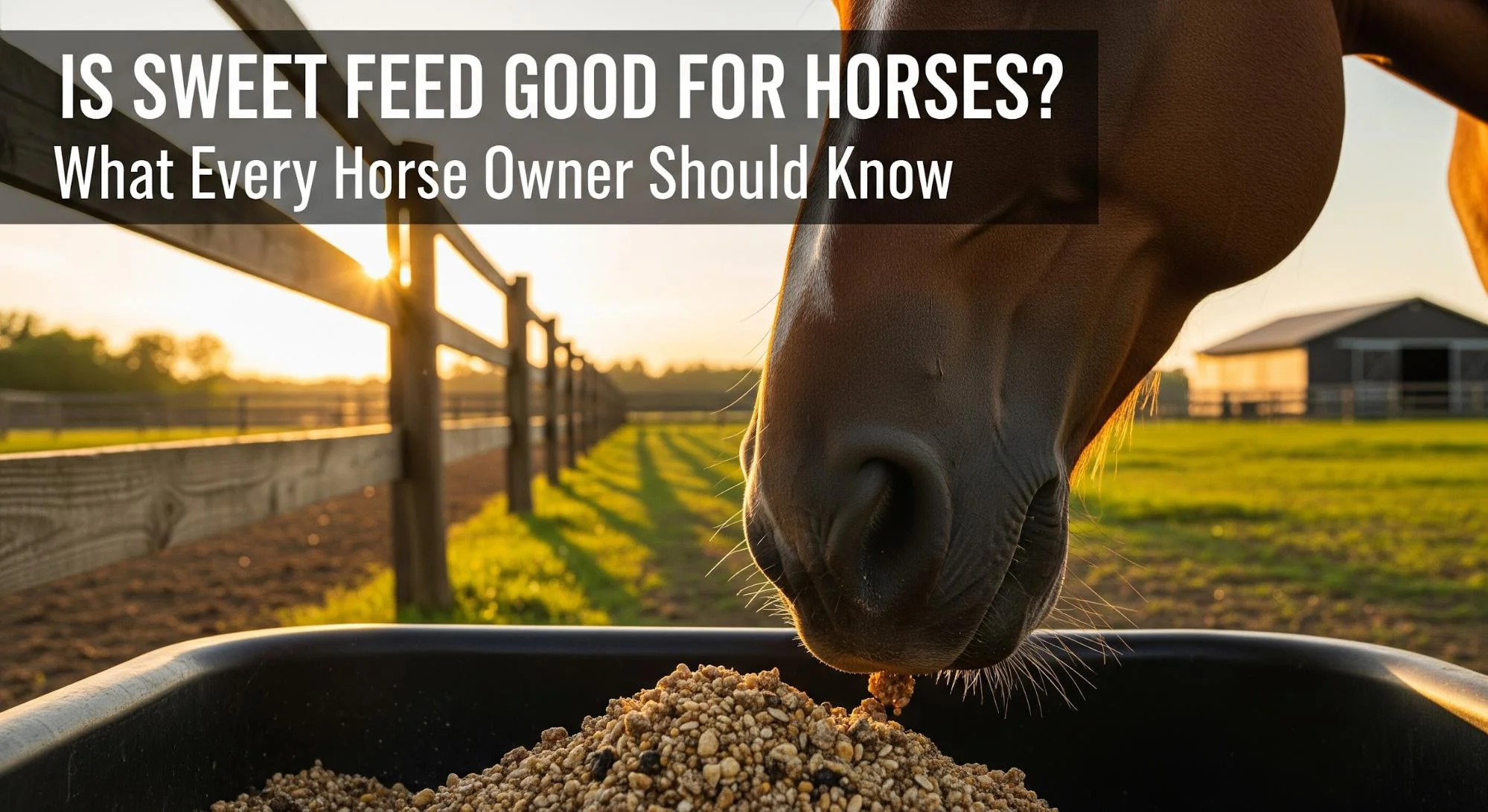
When you have ever been in the feed ais and wondered which type of feed to give your horse, sweet feed or not, you are posing a very essential question. Sweet feed has been considered as one of the most popular horse feed in the market but popularity does not always translate to quality. Now, we are going to examine the real benefits of sweet feed and see whether it is worth including in your feeding regimen.
What Is Sweet Feed and Why Do Horses Love It?
Sweet feed is a grain blend, which is usually a mixture of oats, corn and barley that have been mixed and sprayed with molasses. That sweet smell and sticky feel that horses find extremely attractive is due to the molasses. In addition to palatability, the molasses has some practical functions of its own- it makes the dust levels lower, bind the ingredients together and prevents the mixture from separating during storage and manipulation.
The vast majority of quality sweet feeds contain fortified vitamin and mineral pellets that are mixed with the grain, and whose aim is to give balanced nutrition as well as the energy that the grains offer. The precise formulation of each brand is diverse and brand choices are differentiated according to various life stages, activity requirements and nutritional requirements.
Sweet Feed for Horses Pros and Cons
Understanding both the benefits and limitations of sweet feed helps you make the best decision for your individual horse.
The Benefits of Sweet Feed
- The best feature of sweet feed is exceptional palatability. Sweet flavors are something that horses love and the molasses covering makes this food extremely appealing even to the picky eaters. This may especially come in handy when handling horses, which require encouragement to feed, whether as a result of stress, illness, age, or temperament.
- Quality control is visible and that is why you are at peace. With sweet feed, you can also see what you are feeding on unlike with pellets where the ingredients are flattened and concealed. You do not only notice any colored grains but also recognize ingredients and can notice any possible issues before your horse is fed on it.
- Horses with greater caloric needs are nourished by readily available energy including the content of grains. The fast burning carbohydrates in sweet feed can be used with working horses, performance animals, young growing horses, as well as in regular training.
- Diversity in the sense of texture and flavor can turn feeding time into a pleasant experience of your horse. The various grain sizes and textures offer sensual appeal, which some of the horses appear to enjoy, as they make mealtime a better experience.
- Sweet feed is generally inexpensive in many ways than a lot of specialized feeds and is a good choice when either barn owners have more than one horse to feed or when they are on a tight budget.
Considerations and Limitations
- The molasses content of sugar implies that the sweet feed will have a lot of sugar compared to other types of feeds. In insulin-resistant horses having a history of metabolic syndrome, Cushing disease, or laminitis, it is an additional sugar that can be problematic. You should be familiar with the metabolic condition of your horse before you select sweet feed.
- Some horses may engage in selective eating behavior where they select in the mixture and leave behind vitamin pellets. This lowers the nutritional consistency you are paying but not every horse will do this.
- Storage requirements are more in case of sweet feed than in case of dry pellets. The molasses is moist, and this implies that a proper storage environment does not allow the growth of molds. Request storage in airtight containers in cool and dry places is one way in which this issue can be dealt with.
- This is not a suitable fact across all horses. The same way you would not feed the same food to a lactating mare and an aged senior horse, sweet feed does not suit all occasions. It is important to know when it is fitting and when it should be replaced.
Sweet Feed vs Pelleted Feed Horses: Understanding Your Options

Both sweet feed and pelleted feed have earned their places in equine nutrition, each offering distinct advantages depending on your horse’s needs.
| Consideration | Sweet Feed | Pelleted Feed |
| Palatability | Excellent—most horses love it | Good—though some horses prefer texture |
| Nutritional uniformity | Can vary if horse sorts ingredients | Completely consistent in every bite |
| Sugar levels | Higher due to molasses | Wide range available, including low-sugar options |
| Ease of feeding | Simple—scoop and serve | Simple—scoop and serve |
| Visual inspection | Easy to see individual grains | Cannot see compressed ingredients |
| Storage life | Moderate—requires dry conditions | Excellent—very shelf-stable |
| Dust levels | Very low due to molasses | Can be dusty without added oils |
| Cost | Generally affordable | Ranges from moderate to premium |
Pelleted horse feeds are particularly effective when the intake of the sugar and starch in horses needs to be controlled. They do not involve the sorting problem at all because all the pellets have the same nutritional profile. To control dust, many pelleted formulas replace molasses with oils thus providing a health benefit to respiratory sensitive horses.
Sweet feed performs best in situations where palatability is of utmost importance, making it a popular choice in animal feed manufacture for horses. When horses move between homes, return after illness, or are simply picky eaters, they tend to accept sweet feed more readily. Its appealing texture and grain variety also benefit horses that are prone to eating too fast, as the different grain sizes encourage slower consumption and more thorough chewing.
No one is always better than the other, though the correct decision to make depends on the horse being discussed, work rate, metabolism, and personal preferences.
How Much Sweet Feed to Feed Horse

Determining the right amount of sweet feed requires looking at your horse as an individual, not following a generic feeding chart.
Factors That Influence Feeding Amounts
- The weight and body condition of your horse is the basis of any type of feeding decision. One of the general recommendations recommends a total daily intake of 1.5 to 2 percentage of body weight in feed (including forage and concentrates) with forage comprising the major part. In the case of a 1,000 pound horse, it will be 15-20 pounds in total, of which the majority is the hay or pasture.
- The level of work and activity has a drastic effect on the caloric needs. A horse at work (ridden 2-3 times a week) is in need of very much less concentrated feed than a horse which trains every day or competes regularly. Numerous pleasure horses are capable of growing on good forage without or with a small amount of grain subsistence.
- The first ones to be considered are forage quality and quantity. Horses are expected to feed on 1.5-2 percent of their body weight on a daily basis. When you are supplying excellent pasture or hay, not much sweet feed can be used to ensure your horse is in excellent condition.
- Life stage and age hold importance. Young foal, pregnant or nursing mares and older horses all possess different nutritional needs that influence their quantity of concentrated feed needed.
- There is a huge difference in individual metabolism among horses. Easy keepers are able to stay on little feed and hard keepers find it difficult to gain weight even with liberal rations.
Practical Feeding Guidelines
| Horse Category | Typical Daily Sweet Feed Range | Key Considerations |
| Maintenance/Light work | 2-4 pounds | Focus on quality forage first |
| Moderate work | 4-7 pounds | Divide into 2-3 daily feedings |
| Heavy work/Performance | 6-10 pounds | May need additional fat sources |
| Growing horses | 4-8 pounds | Use growth-specific formulas when possible |
| Senior horses | 3-6 pounds | Adjust based on dental health and condition |
| Easy keepers | 0-3 pounds | Often thrive on ration balancer instead |
Important feeding practices:
It is always advisable to weigh your feed using a scale as opposed to estimating it through volume. A scoop changes radically in real weight with the size of the scoop and with the extent to which the feed is compressed. Such accuracy helps to avoid accidental overfeeding or underfeeding.
Break up any ration of grain to be fed on into a minimum of two or better three meals a day. The digestive system of horses works well with smaller meals with higher frequency which resembles the grazing pattern of the horses.
Do not feed over 4-5 pounds of sweet food at one meal. Greater size grain feeds raise the risk of colic, may cause bowel upsets, and possible insulin spikes in sensitive horses.
Always feed on hay preceding grain. This reduces the rate at which people eat grains, promotes better chewing and buffers the stomach acid to minimize the risk of ulcers.
Can Horses Eat Sweet Feed Daily?
Yes, many horses can and do eat sweet feed daily as part of a balanced feeding program, provided they’re healthy and the amount is appropriate for their needs.
When Daily Sweet Feed Works Well
The normal metabolism, regular body exercise and well-being of horses usually do not cause any problems in the daily feeding on sweet feed. These horses are very effective in the way they process the carbohydrates and transform them to usable energy by way of work and body maintenance.
Daily sweet feed gives performance horses the steady supply of energy. The foreseeable nutrition sustains the training needs and aids to keep the horse in excellent body shape with increased caloric needs.
Hard keepers are horses that do not gain weight easily and they may require concentrated feed per day to get the energy requirements. The palatability of sweet feed will make these horses take all the ration they want.
Nutrition is a necessity in the growth of horses that are in growing stages to facilitate healthy growth. The consistent nutrient intake young horses require is given during daily feeding, but growth-specific formula can be beneficial as opposed to generic sweet feed.
When to Consider Alternatives
Some health disorders need varying feeding strategies. Horses diagnosed with Equine Metabolic Syndrome, insulin resistance, Cushings disease (PPID) or PSSM should have low-sugar, low-starch alternatives instead of regular sweet feed. In the case of these horses, special low-NSC (non-structural carbohydrate) feeds are more appropriate to the health requirements of the animals.
Easy keepers, which gain or keep weight very easily, do not even need daily grain. These types of horses normally flourish on good forage with a ration balancer that contains vitamins and minerals without containing unnecessary calories.
Horses that have laminitis history or those that are prone to metabolic problems respond well to the careful management of carbohydrates. This does not necessarily rule out sweet feed, just that it will need particular attention and maybe alternative options with less sugar.
Horses that have issues with their teeth may not be able to cope with whole grains. In these people case soaked senior food or pellets that dissolve easier seem to be effective compared to usual sweet food.
Making Daily Feeding Work
When you are giving your horse sweet feed every day, check the body condition score of your horse often, at least once every month. Vary with weight, level of work or health condition.
Monitor symptoms that indicate the existing feeding program is not optimal: the weight gain or loss that cannot be explained by any other causes, behavioral changes (abnormal excitability or slowing), and the quality of the hooves, or any metabolic symptoms (drinking more or urinating more).
Ensure your horse has constant access to fresh, clean water. Horses consuming grain may drink more, and proper hydration is essential for healthy digestion.
Choosing Quality Sweet Feed
Not all sweet feeds are created equal. When selecting a product, look for these quality indicators:
Reputable manufacturer with established quality control processes and transparent ingredient sourcing. Major feed companies invest in research and formulation expertise that shows in their products.
Clear labeling that lists ingredients in order of prevalence, provides guaranteed analysis of protein, fat, and fiber, and specifies which vitamins and minerals are included and at what levels.
Appropriate formulation for your horse’s life stage and work level. Feeds designed for growing horses differ from those formulated for maintenance or performance.
Fresh appearance and smell. Quality sweet feed has a pleasant molasses aroma without any musty, dusty, or off odors. The grains should look clean and whole, not dusty or discolored.
Reasonable price point that reflects quality ingredients. While you don’t need the most expensive option, suspiciously cheap feed often indicates lower-quality ingredients or inadequate nutritional fortification.
Complementary Feeding Strategies
Sweet feed works best as part of a comprehensive feeding program, not as a standalone solution.
The Foundation: Quality Forage
No amount of sweet feed can replace good hay or pasture. Horses evolved as grazing animals designed to consume forage almost continuously. Provide free-choice quality hay or adequate pasture turnout as the base of your feeding program.
Supplementation When Needed
Even with fortified sweet feed, some horses benefit from additional supplementation. Common additions include joint supplements for older or working horses, digestive support products like probiotics, and targeted vitamin/mineral supplements if your forage or feed is deficient in specific nutrients.
Ration Balancers for Easy Keepers
Horses that maintain weight easily on forage alone often benefit from a ration balancer instead of sweet feed. These concentrated pellets, fed at just 1-2 pounds daily, provide essential vitamins, minerals, and quality protein without unnecessary calories.
Making the Right Choice for Your Horse
Deciding whether sweet feed is good for your horse comes down to honest assessment of your individual situation.
Sweet feed is an excellent choice when:
- Your horse maintains ideal body condition and has normal metabolic function
- Your horse is in regular work and needs the energy concentrated feed provides
- Your horse is a picky eater who needs palatability encouragement
- Your horse is a hard keeper requiring easily digestible calories
- You can store it properly and use it within its freshness window
Consider alternatives when:
- Your horse has any metabolic condition requiring low sugar/starch intake
- Your horse is an easy keeper who gains weight readily
- Your horse sorts through feed, leaving vitamin pellets uneaten
- Your horse has laminitis history or founder risk
- Storage conditions make mold risk a concern
Work with professionals: Consult your veterinarian about your horse’s specific health status and nutritional needs. Consider working with an equine nutritionist for horses with complex health issues or if you’re managing multiple horses with varying needs.
Conclusion
Sweet feed can definitively be a good option to horses provided it corresponds to their respective nutritional requirements as well as health condition. It offers nutritious but palatable energy-rich nutrition that helps horses work, hard keepers and any that needs tasty food so as to sustain consumption.
The key word is “appropriate.” Sweet feed is neither good nor bad, it is either proper or improper as per the particular horse. A performance horse that is in regular training can maintain well on sweet feed though a metabolic horse or easy keeper will be better served.
Healthy horses have their overall health and performance supported by quality sweet feed supplied by reputable manufacturers at the right amount and in the proper way to maintain healthy metabolism. Sweet feed has proved to be effective in the majority of horses when it is administered correctly and in large quantities as it has been used over decades.
To be successful on sweet feed it takes:
- Real evaluation of what your horse really requires as opposed to what it seems to require.
- Scalp portioning rather than estimation.
- Proper storage in order to be fresh.
- Frequent checking of the state of the body and readiness to change.
The understanding that what works with one horse does not necessarily work with another.
Sweet feed is an asset in equine feeding, and it has advantages, which make it worth considering as a feeding program. Similar to any choice regarding feeding, the question of whether sweet feed is good or bad to horses is answered. is fully dependent on the horse that is in front of you, their state of health, working level, and nutritional needs.
Give the horse thou hast and not the horse thou hast dreamest of and sweet feed could well have its place in thy feed room.
FAQs
1. Is sweet feed good for all horses?
Sweet feed is not suitable for all horses, especially those with metabolic issues like insulin resistance or laminitis. Healthy horses in regular work or hard keepers often tolerate it well. The key is matching the feed to your horse’s health, workload, and metabolism.
2. Can horses eat sweet feed every day?
Yes, many horses can eat sweet feed daily if the quantity is properly controlled and balanced with quality forage. Horses with normal metabolism and consistent exercise usually handle daily feeding well. Monitoring body condition helps ensure it remains a good choice.
3. Does sweet feed make horses hyper?
Sweet feed can increase excitability in some horses due to its higher sugar and starch content. This effect is more noticeable in sensitive or lightly worked horses. Feeding smaller portions and ensuring adequate exercise can help manage this issue.
4. How much sweet feed should I give my horse?
The amount depends on your horse’s weight, workload, and body condition. Most horses receive between 2 to 6 pounds per day, split into multiple meals. Forage should always make up the majority of the diet.
5. Is sweet feed better than pellet feed for horses?
Neither is universally better, as each serves different needs. Sweet feed excels in palatability, while pelleted feed offers consistent nutrition and lower sugar options. The best choice depends on your horse’s health, preferences, and dietary requirements.