If you raise sheep, you have probably wondered whether sweet feed is a safe and beneficial option for your flock. Sweet feed is a grain-based mixture that typically contains corn, oats, barley, and molasses, making it highly palatable and energy-rich. Many livestock owners use it for cattle and horses, but the question remains: can sheep eat sweet feed safely?
What Is Sweet Feed?
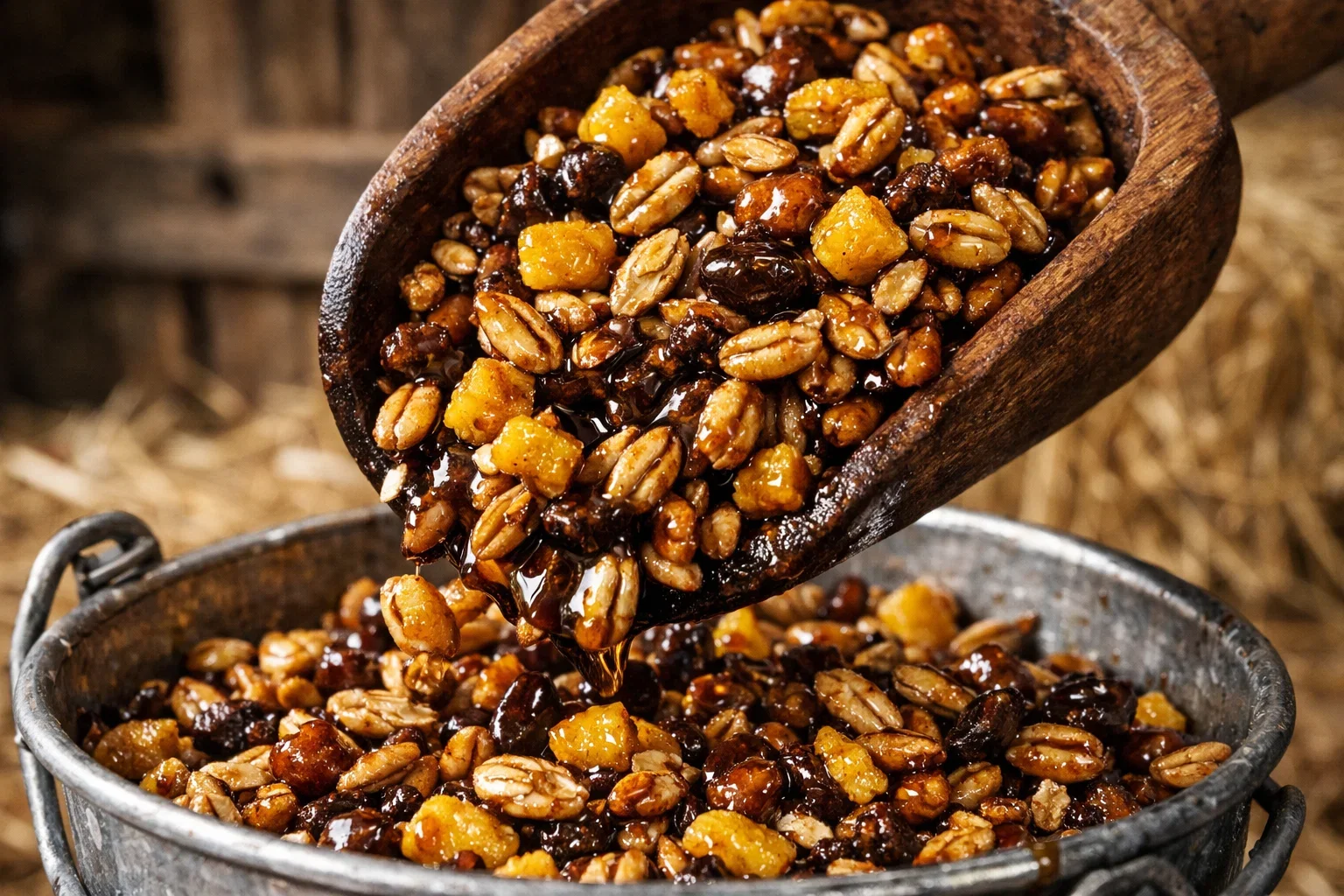
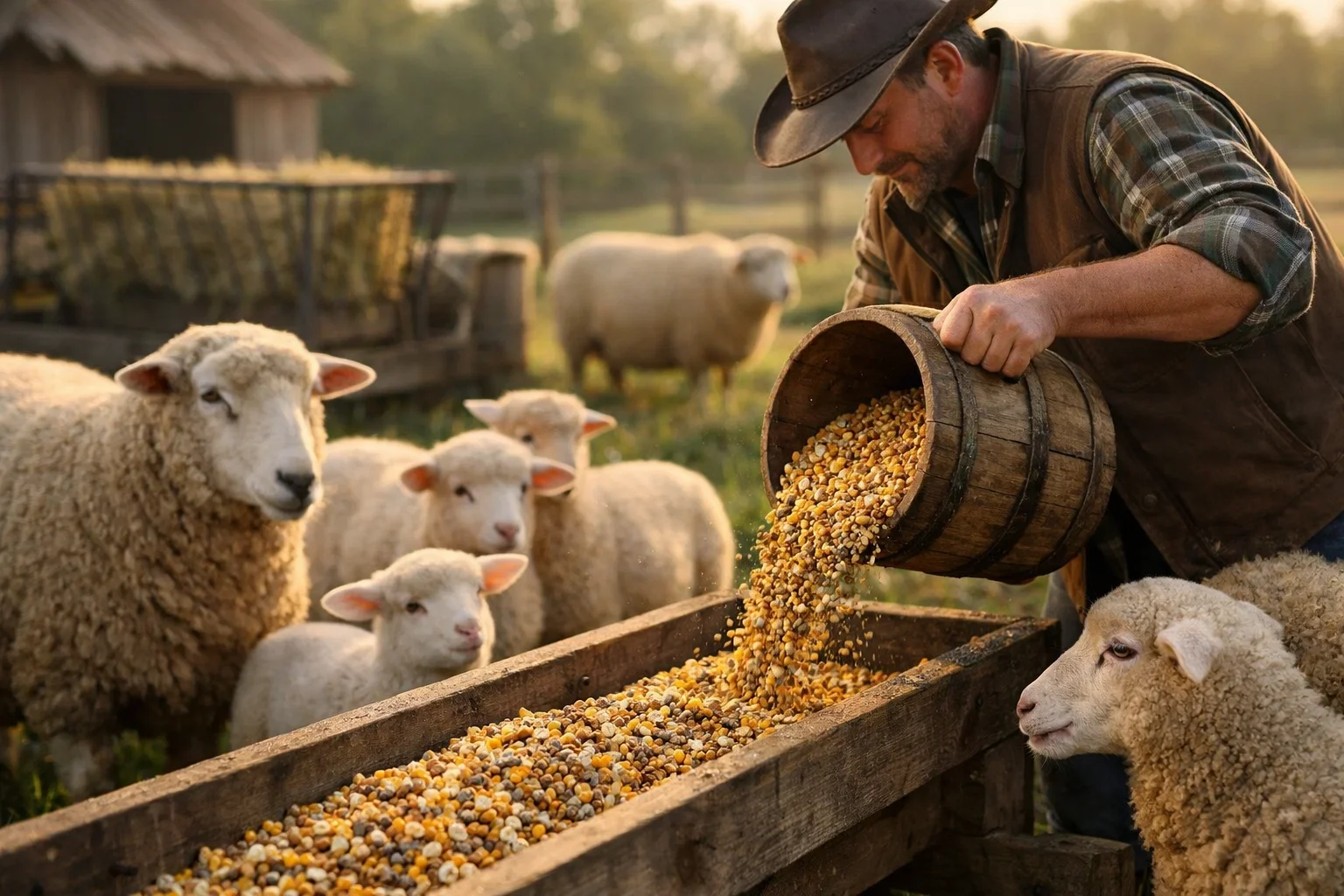
Sweet feed is a type of mixed grain ration that gets its name from the molasses coating that binds the ingredients together. It is commonly used as an energy supplement for working animals, growing livestock, and animals in need of weight gain. Sheep find sweet feed very appealing because of its sweet smell and taste, which also makes it a useful tool for training and managing flocks.
The primary ingredients in most sweet feed blends include:
- Cracked corn or whole corn
- Oats and barley
- Molasses as a binder and energy source
- Added vitamins and minerals in some blends
Can Sheep Eat Sweet Feed?
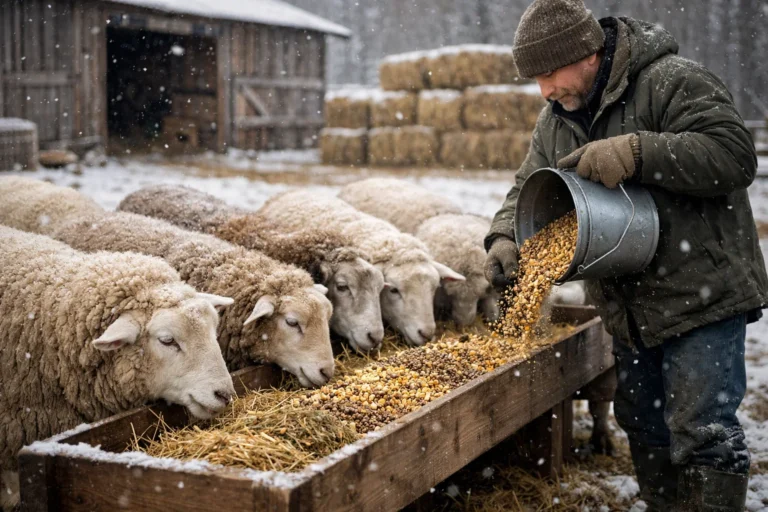
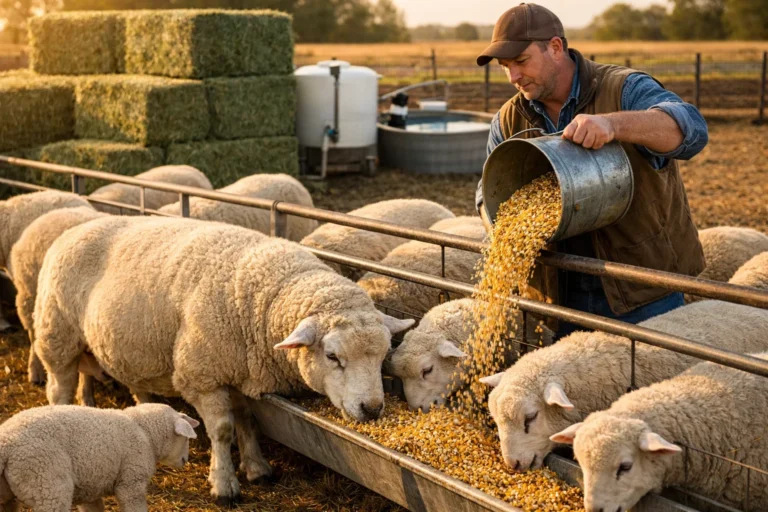
Yes, sheep can eat sweet feed, and many farmers use it as a supplemental feed during specific life stages or seasons. It is important to treat sweet feed as a supplement rather than a dietary staple, since sheep are natural grazers built around high-fiber forage. Sweet feed provides a concentrated source of carbohydrates and energy, which can be very beneficial when sheep need extra calories.
📌 Fact: Sheep have a unique four-compartment stomach designed to ferment and process fibrous plant material. High-starch feeds like sweet feed must be introduced gradually to avoid digestive upset in the rumen.
Is Sweet Feed Good for Sheep?
Is sweet feed good for sheep? When introduced properly and fed in controlled amounts, sweet feed can offer several real benefits to a sheep’s diet and overall health. It works best as a targeted supplement during specific phases of a sheep’s life rather than an everyday staple.
| Benefit | Details |
| Energy Boost | Provides fast-release carbohydrates ideal for pregnant or lactating ewes |
| Weight Gain Support | Helps underweight or young lambs build healthy body condition |
| Palatability | Encourages feed intake in picky eaters or recovering animals |
| Cold Weather Support | Supplies extra calories during winter when animals burn more energy |
Can Sheep Eat Sweet Feed Daily?
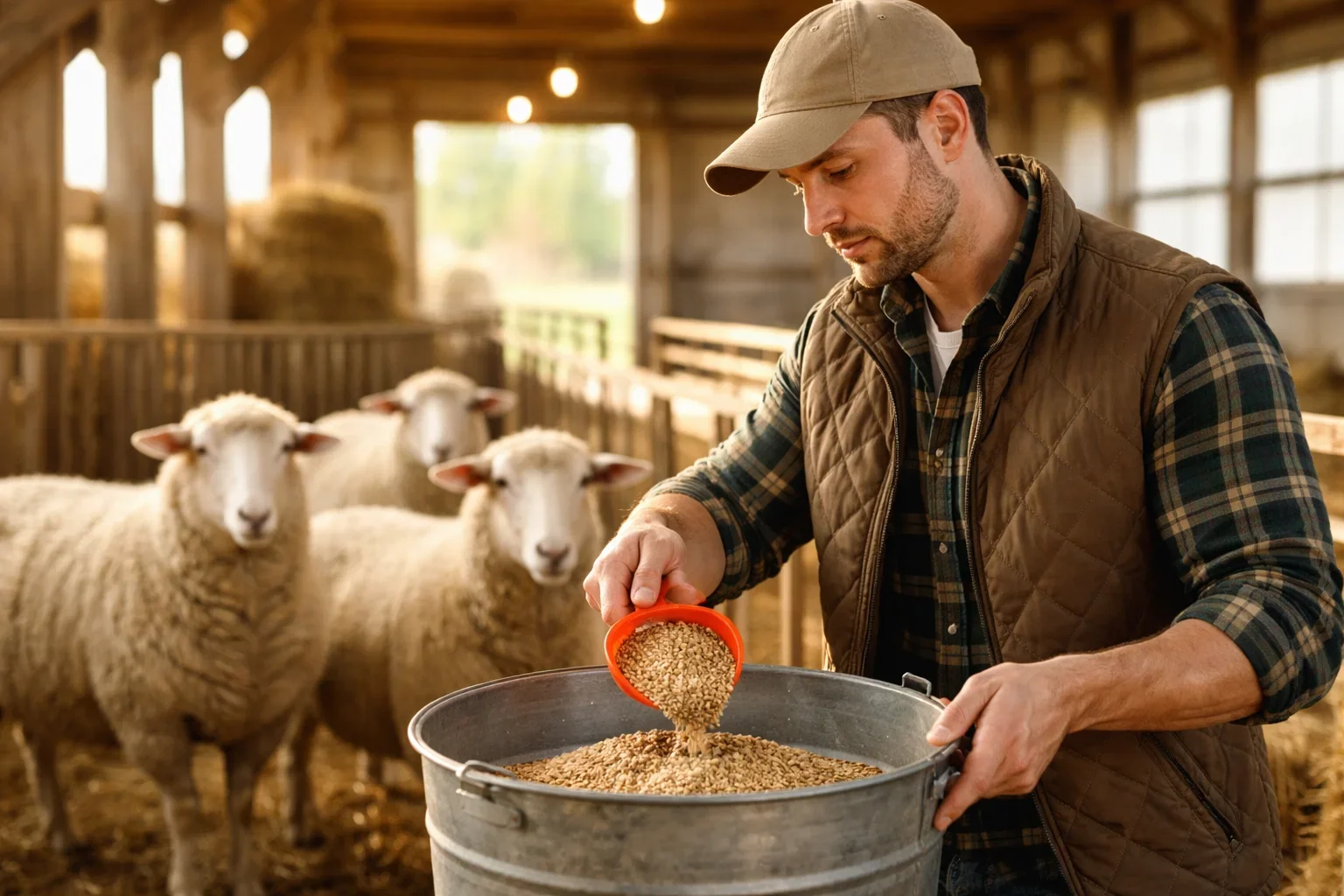
Can sheep eat sweet feed daily? Sheep can be given small amounts of sweet feed each day, but it should never replace their primary forage diet. Hay and pasture should always form the foundation of a sheep’s daily intake, with sweet feed playing a supporting role.
Daily feeding of sweet feed is most appropriate for:
- Pregnant ewes in the last 4 to 6 weeks of gestation when energy demands spike
- Lambs being creep fed to support healthy early growth
- Show sheep or animals being flushed before breeding season
- Underweight animals needing targeted nutritional support
How Much Sweet Feed Can Sheep Have?
Portion control is everything when it comes to feeding sweet feed to sheep. Overfeeding can lead to grain overload, which is a serious condition caused by excess starch fermentation in the rumen.
General guidelines for sweet feed portions:
- Adult maintenance sheep: ¼ lb per day as a supplement only
- Pregnant ewes in late gestation: ¼ to ½ lb per day, gradually increased
- Lactating ewes: ½ to 1 lb per day depending on litter size
- Never exceed 1% of body weight in grain per day for most sheep
What to Watch Out for When Feeding Sweet Feed
Feeding sweet feed responsibly means staying alert to signs that something may not be right with your flock. Staying observant after each feeding session helps you catch issues before they become serious problems.
- Bloat: Excessive grain can cause gas buildup in the rumen and visible left-side distension
- Polioencephalomalacia: Overconsumption of grain can trigger thiamine deficiency and neurological symptoms
- Obesity: Overfeeding high-energy rations negatively affects reproduction and joint health
- Copper toxicity: Some sweet feeds designed for cattle contain copper levels that are dangerous for sheep
📌 Fact: Sheep are far more sensitive to copper than cattle or horses. A copper level perfectly safe for cattle can be fatal to sheep, so always read feed labels carefully before purchasing any grain product.
Mineral Nutrition Alongside Sweet Feed
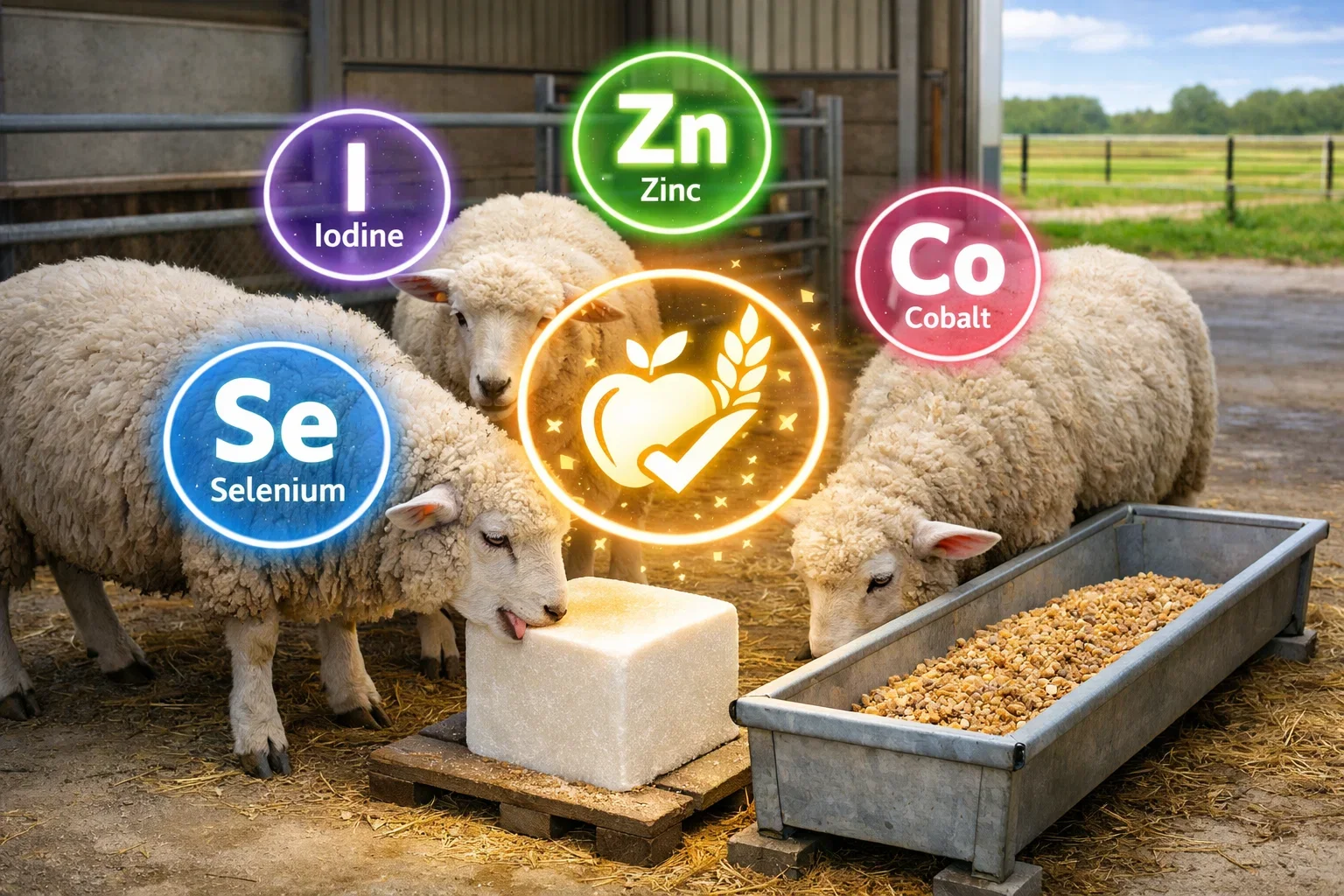
Here is something many sheep owners overlook: sweet feed alone, even when fed correctly, does not cover all the nutritional gaps in a sheep’s diet. Energy is just one part of the equation, and without the right minerals, your flock will not perform at its best no matter how well you manage their grain intake.
Sheep grazing on pasture or consuming a forage-based diet are commonly deficient in key trace minerals like selenium, zinc, iodine, and cobalt. These deficiencies quietly affect wool quality, reproductive success, hoof health, and immune function over time. This is exactly where a purpose-built mineral supplement steps in to complete the picture.
The Goat & Sheep Mineral by Mid-South Feeds is specifically formulated to address this need. It contains no added copper, making it completely safe for sheep unlike many cattle minerals that can cause copper toxicity in small ruminants. It can be offered free-choice in a covered mineral feeder alongside your sweet feed program, or mixed directly into feed at a rate of no more than 1 oz per head per day.
Here is a look at the key nutrients it delivers:
| Nutrient | Level | Why It Matters for Sheep |
| Calcium | 11–14% | Supports strong bones and milk production in ewes |
| Phosphorus | 5% min | Works with calcium for skeletal and metabolic health |
| Selenium | 25 ppm | Critical for muscle function and reproductive success |
| Zinc | 2280 ppm | Supports hoof integrity, wool growth, and immunity |
| Vitamin A | 300,000 IU/lb | Essential for vision, reproduction, and skin health |
| Vitamin E | 300 IU/lb | Works alongside selenium for muscle and immune health |
| Cobalt | 19 ppm | Supports Vitamin B12 synthesis in the rumen |
| Ammonium Chloride | Included | Helps maintain urinary pH and reduces risk of urinary calculi |
It also includes Vitamin D, Iodine, Iron, Manganese, and natural and artificial flavoring to encourage consistent intake by your animals. When your sheep are receiving sweet feed for energy alongside this mineral for micronutrient balance, you are truly covering all the bases of a complete small ruminant nutrition program.
Tips for Feeding Sweet Feed to Sheep Safely
Responsible sweet feed management does not have to be complicated, and a few consistent practices go a long way. Following these habits helps you get the full benefit of sweet feed without the risks.
- Always introduce sweet feed gradually over one to two weeks to allow rumen adjustment
- Store sweet feed securely in a dry location and always out of sheep’s reach
- Use livestock-safe sweet feed and avoid horse or cattle feeds with high copper levels
- Weigh your portions rather than eyeballing, especially when managing multiple animals
- Pair sweet feed with a sheep-safe mineral to cover trace mineral needs that grain alone cannot meet
Conclusion
Sheep can absolutely eat sweet feed, and when managed correctly, it is a valuable tool in any flock owner’s feeding program. Whether you are supporting a pregnant ewe, helping a young lamb grow strong, or preparing breeding stock for the season, sweet feed delivers real nutritional value when used thoughtfully alongside a balanced mineral program.
For sheep owners who want to complete their feeding program the right way, Mid-South Feeds offers the Goat & Sheep Mineral a supplement with no added copper, built specifically for small ruminants, and designed to pair naturally with your existing sweet feed routine. You can find a supplier near you through their dealer locator, and if you are passionate about bringing quality animal nutrition products to your local farming community, you can also become an animal feed dealer through their dealer application program.
FAQs
1. Is sweet feed safe for sheep long term?
Sweet feed is safe only as a supplement, not a long-term main diet. Overuse can lead to digestive issues and unbalanced nutrition.
2. Can lambs eat sweet feed?
Yes, lambs can eat small amounts of sweet feed once they are properly weaned. It should be introduced slowly to avoid rumen upset.
3. What happens if sheep eat too much sweet feed?
Overeating can cause bloat, acidosis, or even grain overload, which are serious digestive conditions. Immediate feed correction is needed if symptoms appear.
4. Should sweet feed replace hay or pasture?
No, hay and pasture must always remain the main diet for sheep. Sweet feed is only a high-energy supplement.
5. Can sweet feed affect wool quality?
Yes, when fed properly it can support better body condition, which indirectly improves wool quality. Poor feeding balance can have the opposite effect.
6. Do all sweet feeds contain copper safe levels for sheep?
No, many sweet feeds made for cattle or horses may contain unsafe copper levels. Always check labels before feeding.