 Dogs & Cats
 Cattle
 Equine
 Poultry
 Swine
Swine Goats & Sheep
 Game Bird
 Gamecock
 Deer & Wildlife
 Fish & Pond
 Rabbit
 Specialty
 Ingredients & Bulk
 Special Order
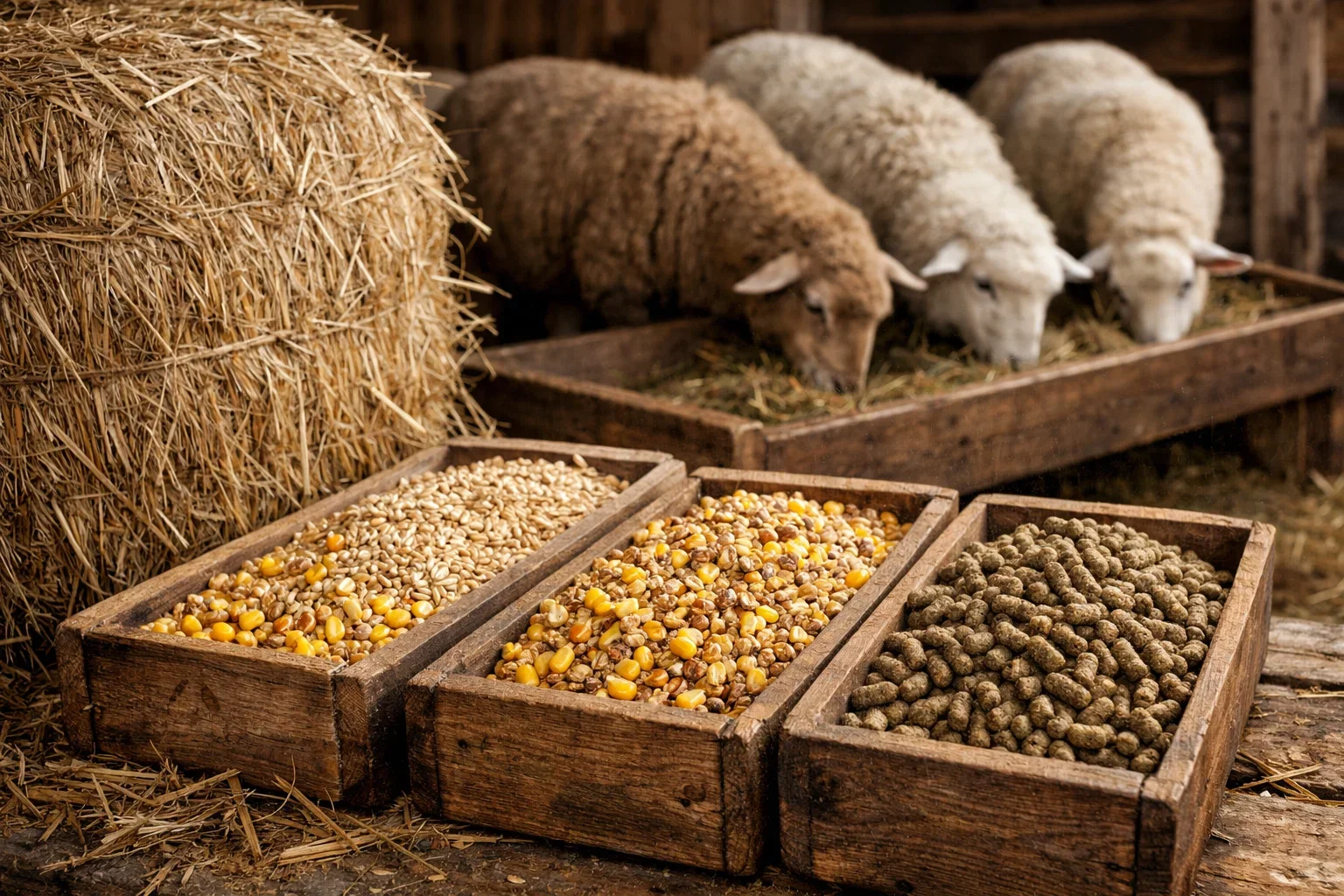
Sheep are hardy animals, but they still depend on you to get their diet right. Knowing what to feed sheep is one of the most important parts of keeping a healthy flock. A poor diet leads to weak lambs, low wool quality, and animals that are more likely to get sick. Whether you have two sheep or two hundred, getting the nutrition right makes everything else easier.
What Sheep Eat Naturally
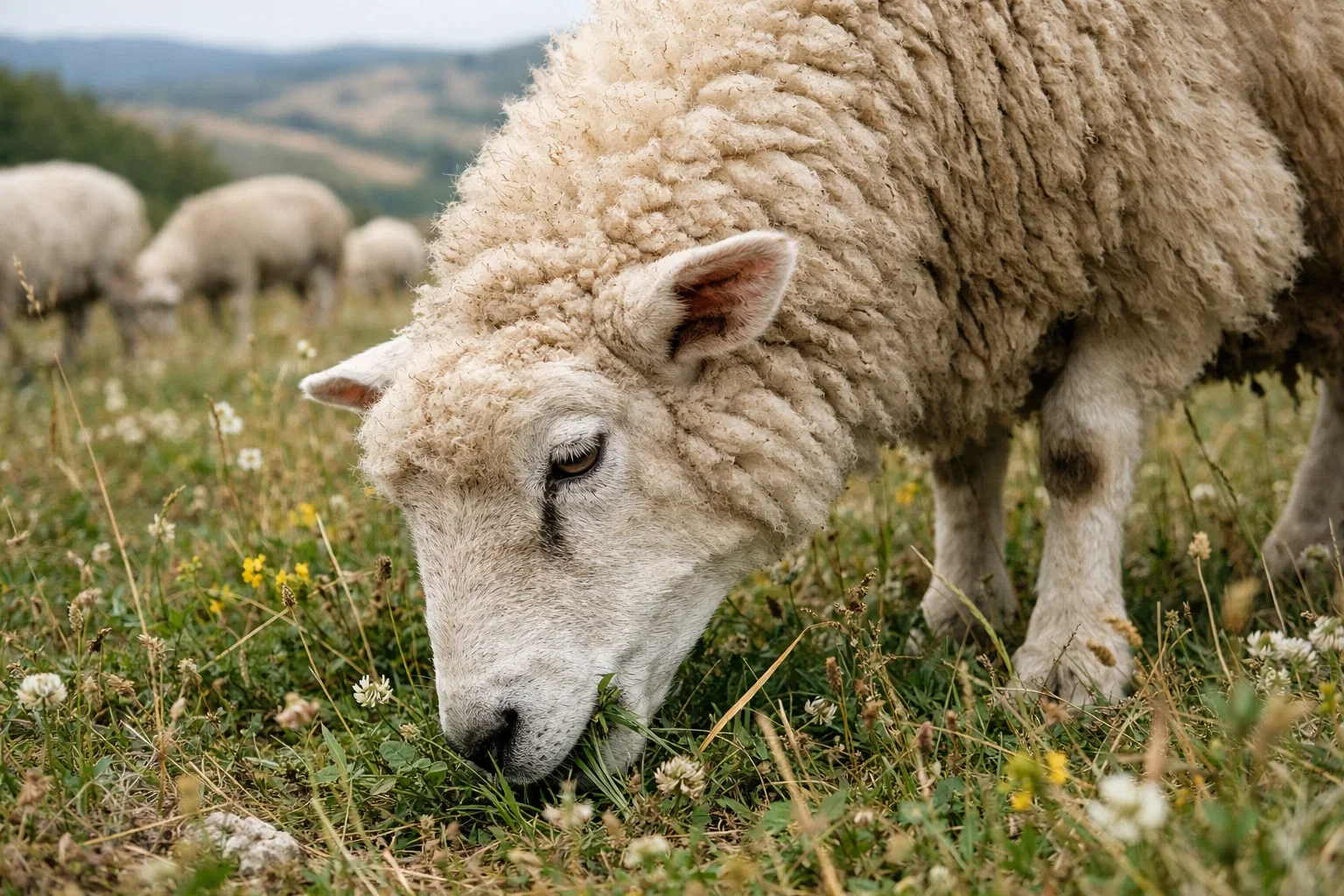
Sheep are grazing animals. In the wild, they spend most of their day eating grasses, herbs, and low-growing plants. This natural behavior tells you a lot about what their digestive system is built for.
Good pasture is still the best base for any sheep’s diet. Fresh grass provides fiber, energy, and a range of natural nutrients. When pasture is healthy and plentiful, many sheep need very little else to stay in good condition.
However, pasture quality changes with the seasons. Dry summers, cold winters, and drought can all reduce what the land provides. That’s when supplemental feeding becomes essential, not optional.
Best Feed for Sheep Beyond Pasture
When grass alone isn’t enough, farmers turn to supplemental feeds to fill the gap. The best feed for sheep depends on age, weight, and life stage, but a few staples work well across most situations.
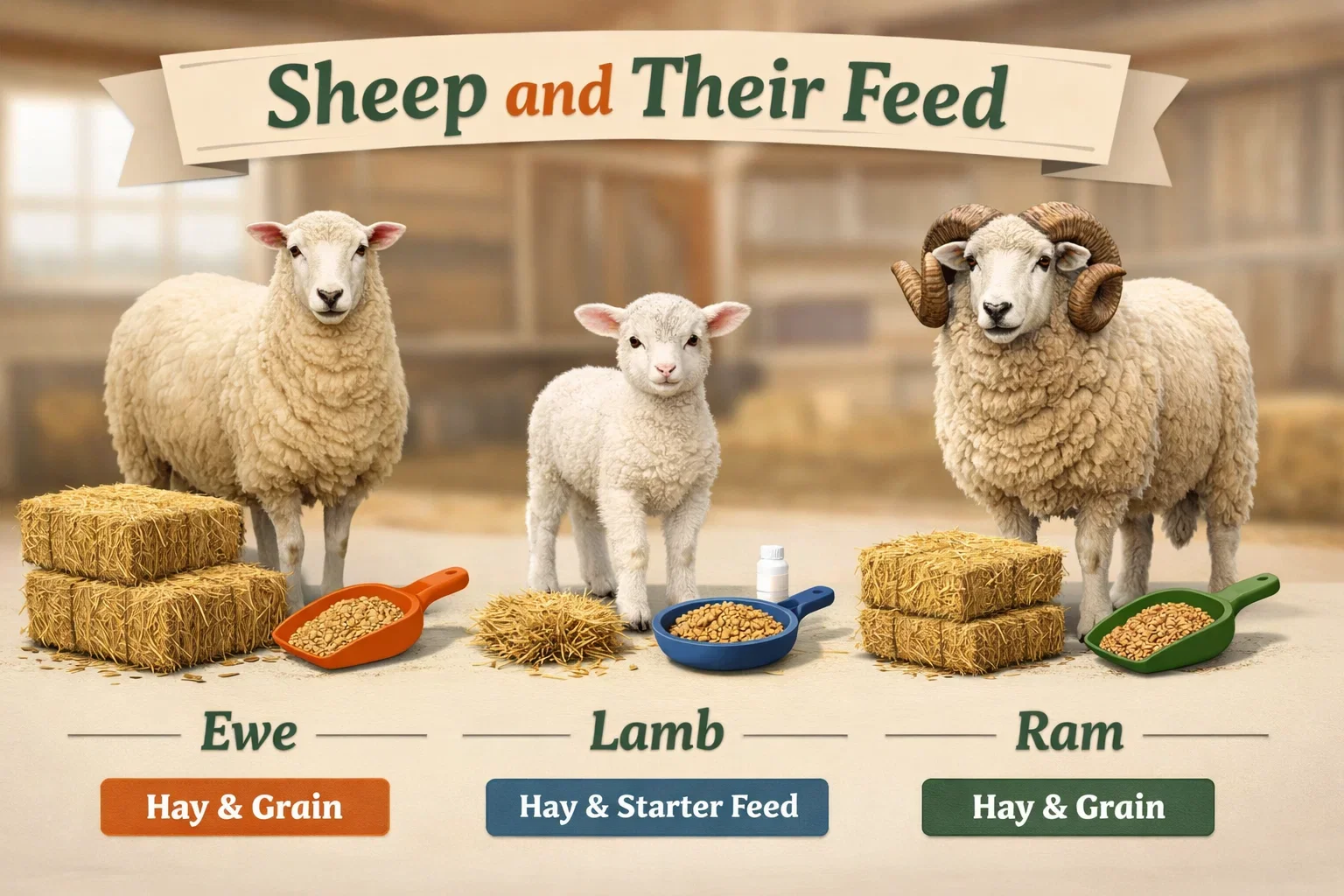
Hay is the most common supplement. Grass hay or legume hay (like alfalfa or clover) provides fiber and keeps the digestive system moving. Fiber is critical; sheep have a rumen (a special stomach chamber) that needs constant roughage to function properly.
Grain such as oats, barley, or corn can provide extra energy. This is especially useful for pregnant ewes, growing lambs, or animals in cold weather. However, too much grain too fast can cause acidosis, a dangerous condition where the rumen becomes too acidic. Always introduce grain slowly.
Sheep pellet feed is a convenient and balanced option, especially when managing larger flocks. Pellets are formulated to deliver consistent nutrition without the guesswork of mixing feeds yourself.
Daily Feeding Amounts A Quick Reference
| Sheep Type | Hay Per Day | Grain Per Day |
| Mature ewe (maintenance) | 2–4 lbs | None needed |
| Pregnant ewe (late stage) | 3–4 lbs | 0.5–1 lb |
| Nursing ewe | 4–5 lbs | 1–1.5 lbs |
| Growing lamb | 1–2 lbs | 0.25–0.5 lb |
| Ram (off-season) | 2–3 lbs | Little to none |
These are general estimates. Always adjust based on body condition and available pasture.
Sheep Feeding Guide Key Nutrients You Must Provide
Following a solid sheep feeding guide means thinking beyond just hay and grain. Sheep need specific minerals and vitamins that aren’t always present in pasture or basic feeds.
Calcium and phosphorus support bone health and muscle function. The ratio between them matters sheep do best with roughly a 2:1 calcium-to-phosphorus balance. An imbalance over time can cause urinary issues, especially in rams.
Selenium is a mineral many soils lack entirely. A selenium deficiency leads to white muscle disease, a condition where muscles weaken and lambs struggle to stand or nurse. Supplementing selenium carefully (never in excess) protects against this.
Vitamin D supports calcium absorption. Sheep that spend most of their time outdoors usually get enough from sunlight, but housed sheep may need it added to their diet.
For a well-rounded mineral supplement, the Goat & Sheep Mineral from Midsouth Feeds is worth looking into. It’s formulated specifically for small ruminants (animals like sheep and goats that chew cud) and includes key trace minerals often missing from basic rations.
Fresh, clean water is also non-negotiable. An adult sheep drinks 1–3 gallons per day, more when nursing or during hot weather. Water intake directly affects feed intake dehydrated sheep eat less and lose condition quickly.
Minerals Sheep Need At a Glance
| Mineral | Why It Matters | Source |
| Calcium | Bone strength, milk production | Limestone, alfalfa hay |
| Phosphorus | Energy metabolism, bone health | Grain, mineral mix |
| Selenium | Muscle health, lamb survival | Mineral supplement |
| Copper | Coat quality, immune function | Loose mineral (carefully dosed) |
| Salt | Electrolyte balance, appetite | Free-choice salt block |
What Not to Feed Sheep
Understanding what not to feed sheep is just as important as knowing what they should eat. Some foods that seem harmless or even healthy can seriously hurt or kill a sheep.
- Grain overload: Too much grain at once overwhelms the rumen. Always transition slowly over 7–10 days.
- Brassicas in large amounts: Kale, turnips, and cabbage can cause hemolytic anemia (a breakdown of red blood cells) if fed as the main diet.
- Rhododendron, laurel, and yew: These common garden plants are toxic to sheep. Even small amounts can cause rapid decline.
- Avocado: All parts of the avocado plant leaves, fruit, and bark are toxic to most livestock including sheep.
- Moldy feed or hay: Mold produces mycotoxins (poisons made by fungi) that damage the liver and nervous system.
- Excess copper: Unlike goats, sheep are very sensitive to copper toxicity. Never feed products designed for cattle or goats without checking the copper level first.
If you’re sourcing feed from a trusted animal feed supplier, always check the label for copper content before feeding it to sheep.
Feeding Sheep Through Different Life Stages
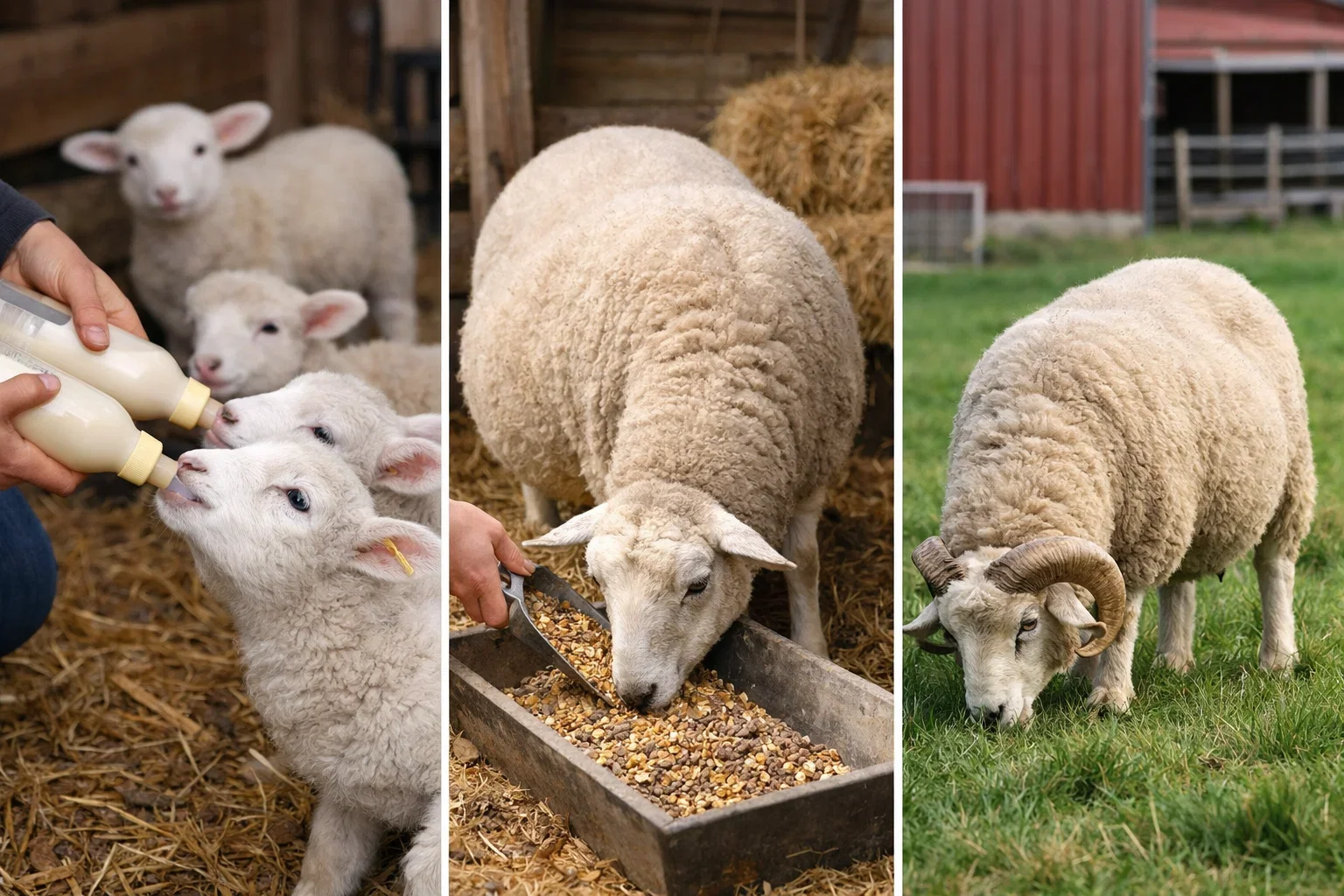
Sheep nutritional needs shift dramatically depending on where they are in their life cycle. A one-size-fits-all approach often leaves certain animals underfed or overfed.
Lambs need colostrum (the first milk from the ewe, packed with antibodies) within the first hours of life. After weaning, they benefit from creep feed, a high-protein grain mix they access without the ewes getting to it. This supports rapid early growth.
Pregnant ewes have the highest nutritional demands in the final 6 weeks of pregnancy. This period is called “flushing,” and increasing energy intake during this time improves lamb birth weight and survival. Thin ewes at lambing time tend to produce less milk and weaker offspring.
Rams outside of breeding season need a maintenance diet only. Overfeeding rams causes excess weight gain, which reduces fertility and puts strain on joints.
Older sheep may struggle to chew long hay efficiently. Chopped hay, soaked pellets, or softer feeds help them maintain weight without dental stress.
Signs Your Sheep Aren’t Getting the Right Nutrition
Even experienced farmers can miss early signs of nutritional problems. Watch for these indicators:
- Dull, brittle, or patchy wool
- Ribs or backbone easily felt through the skin (body condition score below 2)
- Lambs that are slow to stand or nurse
- Swollen jaw or bottle jaw (often a sign of protein deficiency combined with parasite burden)
- Stiff movement or muscle tremors in young lambs
If several animals show the same symptoms, feed quality or mineral balance is usually the first place to investigate.
Conclusion
When it comes to what to feed sheep, the answer goes beyond a single feed type or a simple daily routine. It’s about matching nutrition to need adjusting for season, life stage, and what your pasture can actually provide. Brands like Midsouth Feeds have built their products around exactly this kind of practical thinking, offering options like their sheep mineral feed that support what everyday pasture and hay often lack. Start by assessing your flock’s body condition today. That single step will tell you more about what changes are needed than any chart ever could.
FAQs
1. How do I know if my sheep are getting a balanced diet?
A balanced diet shows in healthy weight, smooth wool, and active behaviour. Regular body condition scoring is the easiest way to check.
2. Can sheep survive on grass alone year-round?
Only if pasture quality is consistently good, which is rare in most climates. Most flocks still need seasonal supplementation.
3. What is body condition scoring in sheep?
It’s a hands-on method of checking fat and muscle cover over the ribs and spine. It helps determine if feeding levels are too high or too low.
4. Do sheep need different feeds in summer and winter?
Yes, winter usually requires more energy-rich feed, while summer relies more on pasture. Adjusting feed prevents weight loss or excess gain.
5. Can overfeeding make sheep unhealthy?
Yes, overfeeding grain or energy-rich feed can lead to obesity, fertility issues, and digestive disorders like acidosis.