 Dogs & Cats
 Cattle
 Equine
 Poultry
 Swine
Swine Goats & Sheep
 Game Bird
 Gamecock
 Deer & Wildlife
 Fish & Pond
 Rabbit
 Specialty
 Ingredients & Bulk
 Special Order

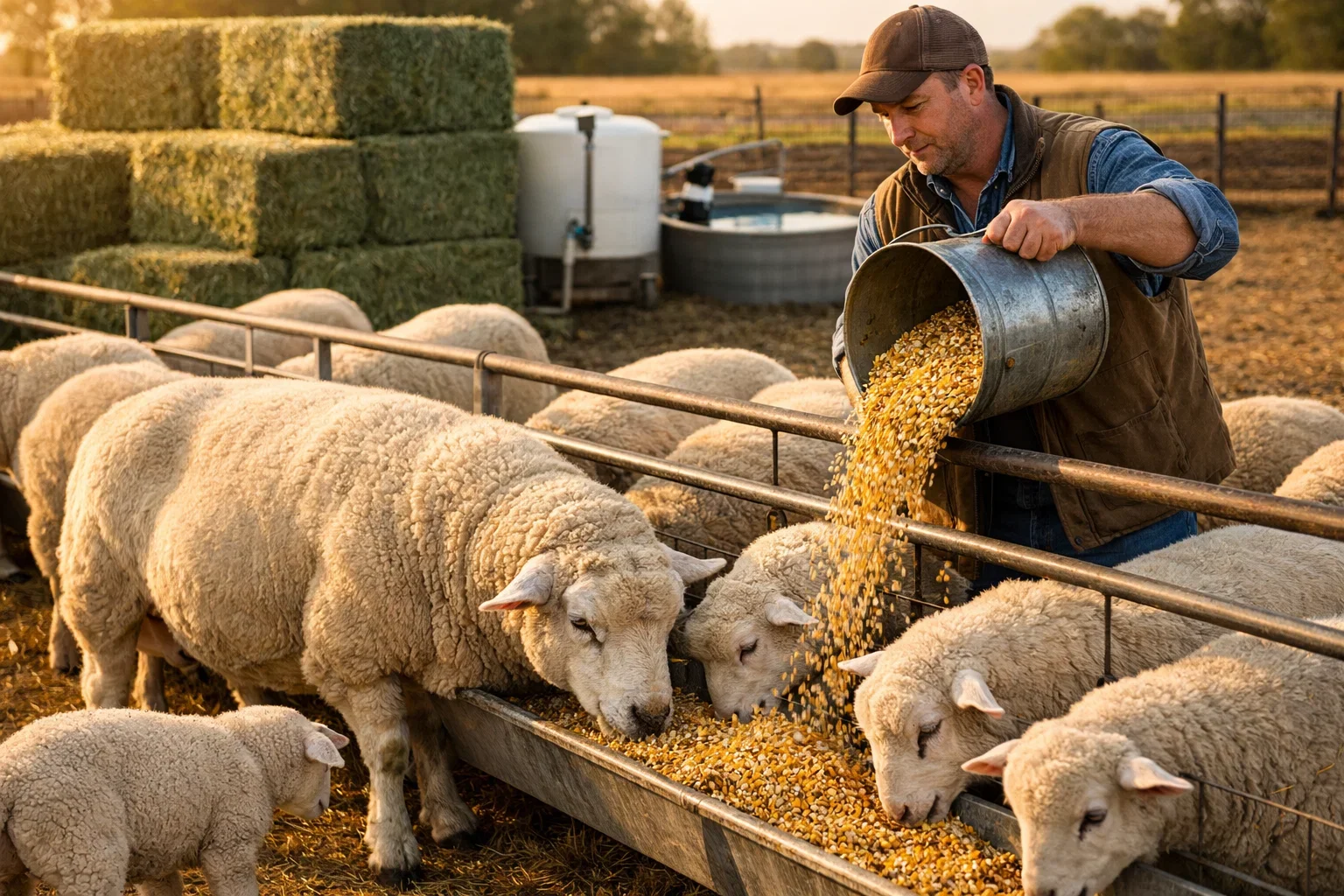
Raising healthy, heavy sheep starts with one thing: the right feed. Whether you’re preparing for the market or managing a growing flock, knowing what to feed sheep to gain weight can make a real difference in your results. The good news is that sheep are efficient animals. With the right combination of forage, grain, and minerals, you can see noticeable weight gain in a matter of weeks.
Why Proper Nutrition Matters for Sheep Weight Gain
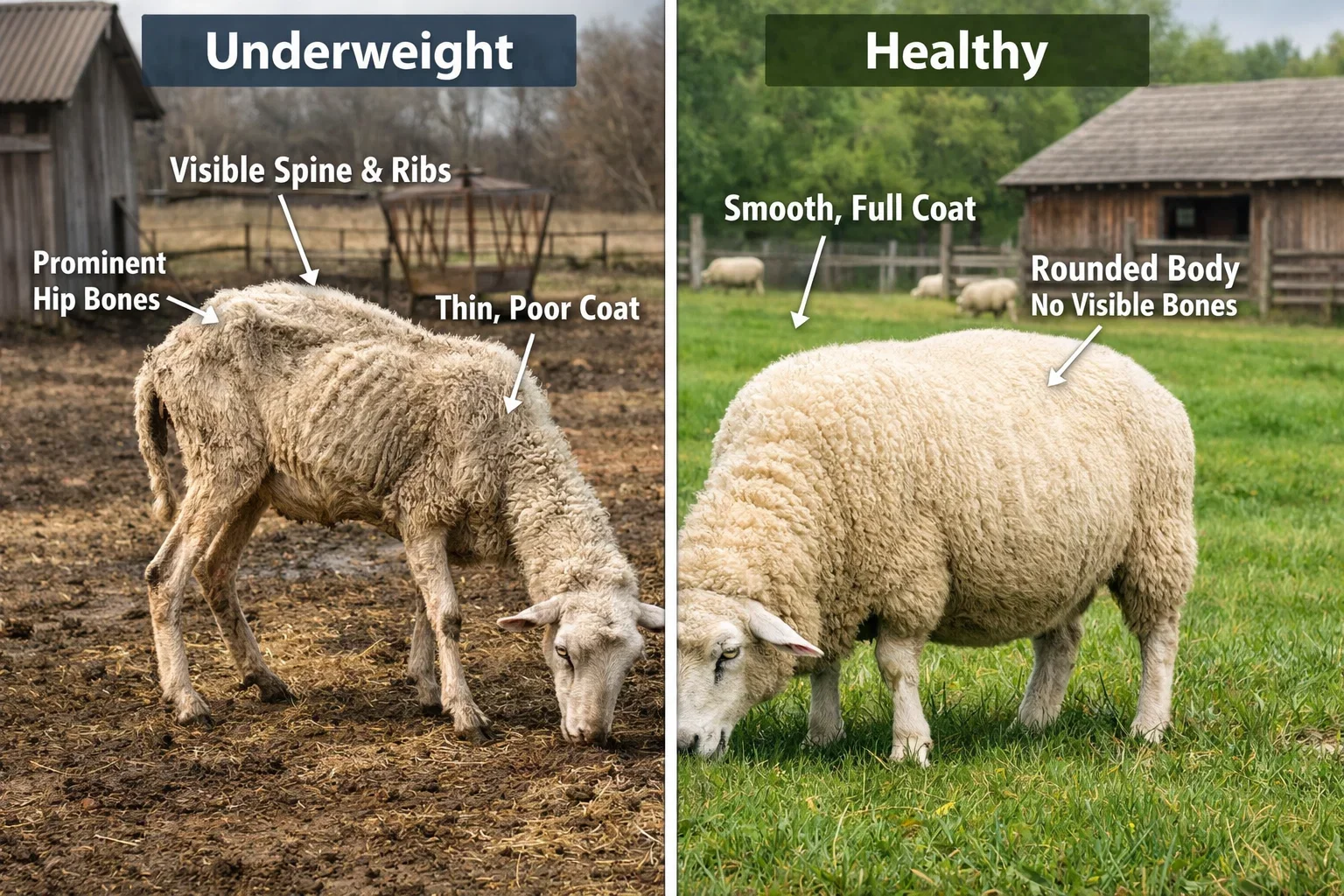
Sheep need a balance of energy, protein, fiber, and minerals to grow properly. When any of these elements is missing, growth slows down even if the animal is eating a lot.
Weight gain in sheep isn’t just about quantity. It’s about feeding the right nutrients at the right time. A sheep eating poor-quality hay all day may still be underweight, simply because the feed lacks the energy density needed for muscle and fat development.
Understanding your sheep’s nutritional needs is the first step toward a flock that gains weight consistently and stays in good health.
What to Feed Sheep to Gain Weight Quickly
High-Quality Hay and Pasture
Hay and fresh pasture are the foundation of any sheep diet. For weight gain, focus on legume hay alfalfa or clover rather than plain grass hay. Legume hay is richer in protein and calories, both of which support faster growth.
If pasture is available, let sheep graze freely. Good pasture can provide much of what sheep need without extra cost. However, pasture alone is rarely enough for rapid weight gain, especially for lambs or animals recovering from illness.
Grain Supplements for Energy
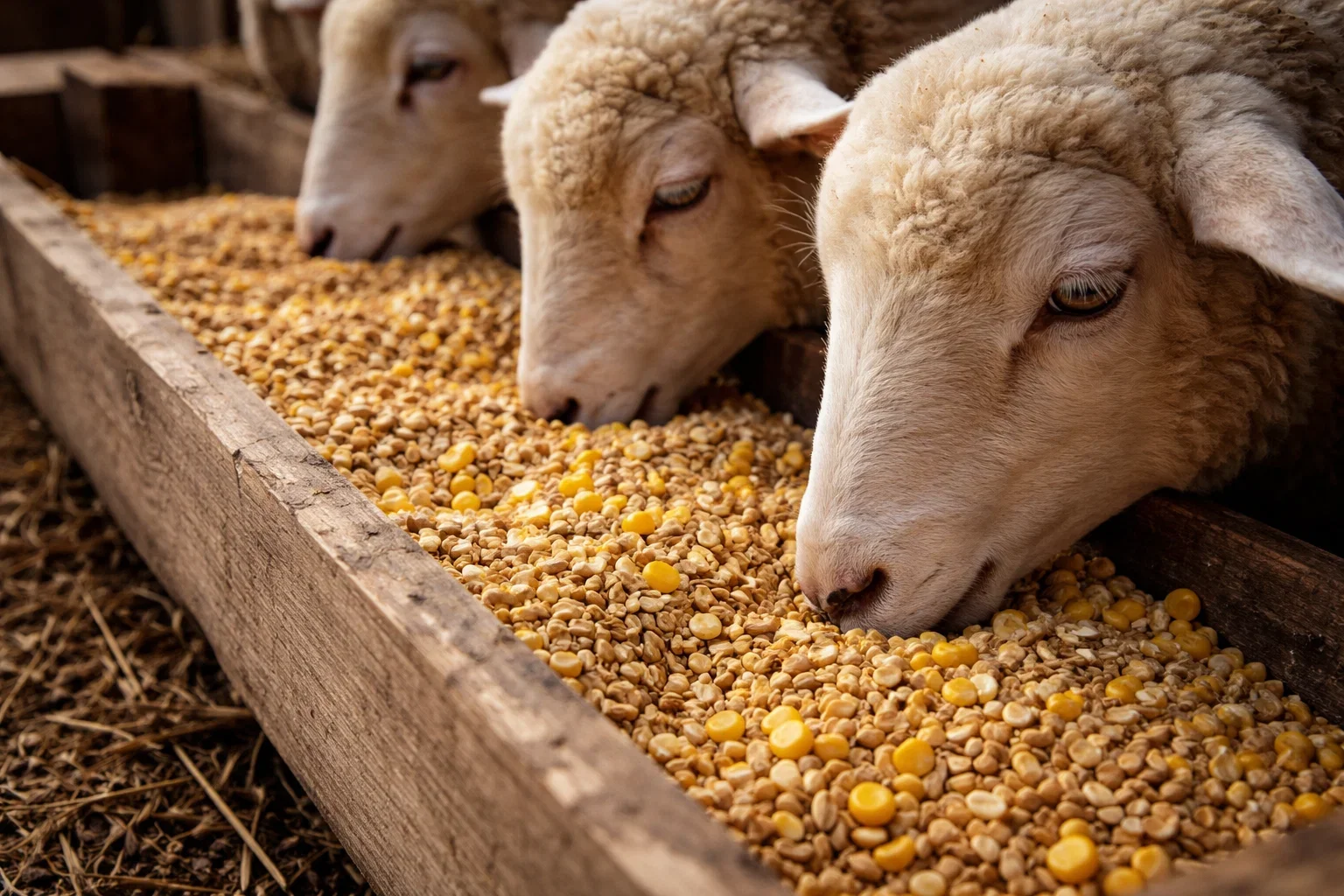
Grain is one of the fastest ways to boost calorie intake in sheep. Common choices include:
- Corn high in energy, great for adding body fat
- Barley a balanced grain for both energy and protein
- Oats easier to digest, good for younger or weaker animals
- Wheat bran supports digestion while adding calories
Introduce grain gradually over 7–10 days to avoid digestive problems like bloat or acidosis. Start with a small handful per day and build up to the recommended amount.
Protein for Muscle Development
Protein is what builds lean muscle. Without enough protein, sheep may gain fat but not functional weight. Good protein sources include:
- Soybean meal
- Cottonseed meal
- Legume hay (already mentioned above)
- Commercial protein blocks
Lambs and growing sheep need more protein than adult ewes. Aim for a diet with at least 14–16% crude protein during active growth periods.
How Much to Feed Sheep for Weight Gain
Feeding amounts depend on the sheep’s age, size, and current body condition. Here’s a simple reference table:
| Sheep Type | Daily Hay/Forage | Daily Grain | Target Daily Gain |
| Lambs (weaning–6 months) | 1–1.5 lbs | 0.5–1 lb | 0.4–0.6 lbs/day |
| Growing sheep (6–12 months) | 2–3 lbs | 0.75–1.5 lbs | 0.3–0.5 lbs/day |
| Adult ewes (maintenance) | 3–4 lbs | 0.5–1 lb (if needed) | 0.1–0.2 lbs/day |
| Market lambs (finishing phase) | 1.5–2 lbs | 1.5–2 lbs | 0.5–0.7 lbs/day |
These are general guidelines. Always adjust based on body condition scoring a hands-on check of fat cover over the backbone and ribs.
The Role of Minerals and Vitamins in Sheep Weight Gain
Minerals are often overlooked, but they play a major role in how well sheep convert feed into body weight. A sheep deficient in selenium, zinc, or copper will grow slowly no matter how much it eats.
Key minerals for weight gain include:
- Selenium supports muscle development and immune health
- Zinc promotes healthy skin, hooves, and growth
- Copper critical for wool quality and metabolism
- Calcium and Phosphorus essential for bone strength and growth
Free-choice mineral blocks are a convenient way to ensure sheep get what they need. For a reliable option, the sheep mineral feed from Midsouth Feeds is formulated specifically for sheep and goats, providing a balanced mineral profile to support daily growth.
Always use sheep-specific minerals. Minerals made for cattle can contain copper levels that are toxic to sheep.
Feeding Sheep for Weight Gain: The Finishing Phase
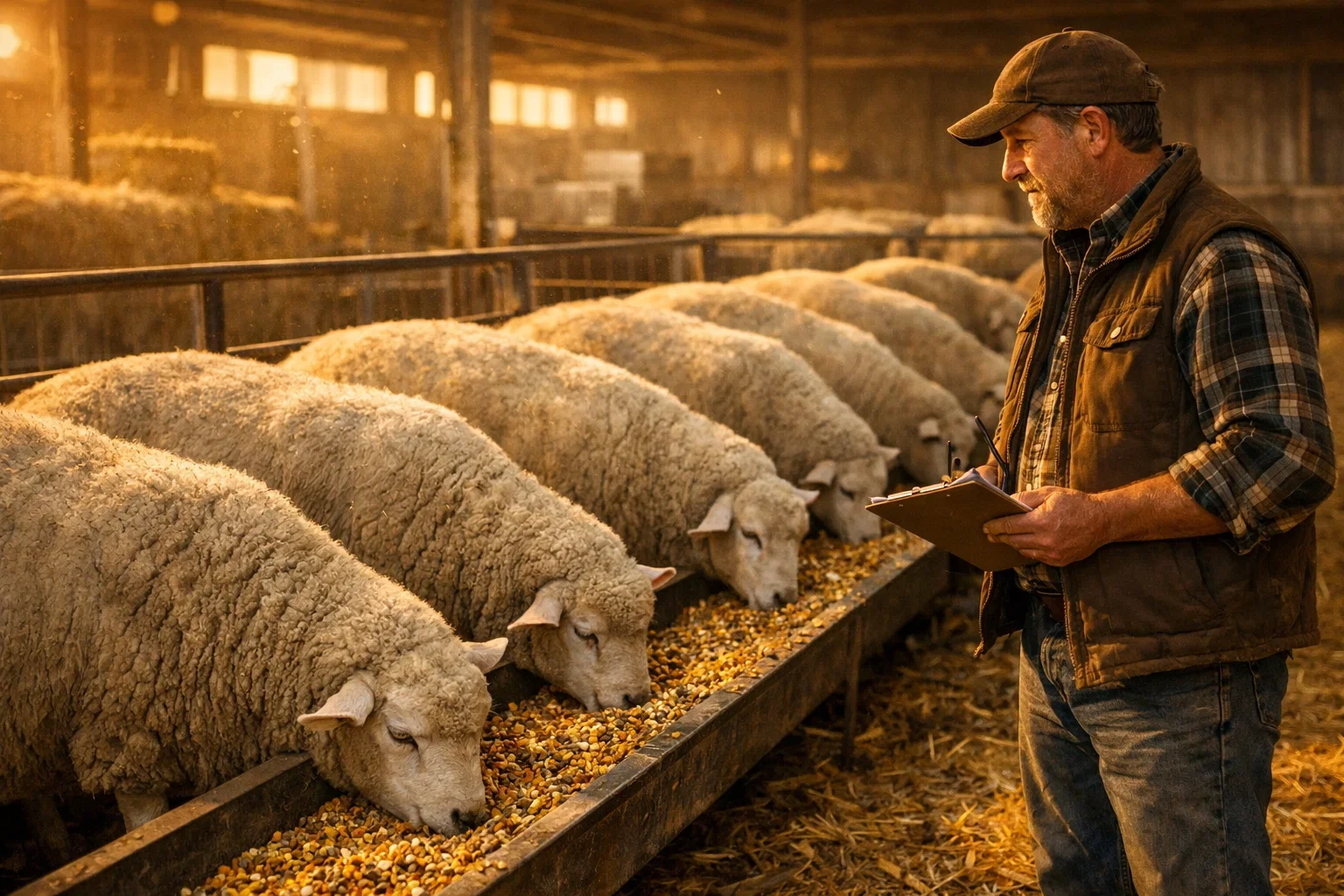
The finishing phase is the final 4–8 weeks before a sheep reaches market weight. This is when feeding strategy matters most.
During finishing, increase grain to about 60–70% of the diet while maintaining good hay intake. This high-energy diet pushes rapid fat deposition, which improves carcass quality and market value.
What to Feed in the Finishing Phase
- High-energy grain mix (corn + barley)
- Good-quality alfalfa hay
- Fresh, clean water at all times
- Mineral supplement
A concentrated feed option worth considering during this phase is the sheep pellet feed, a 16% protein pellet designed for sheep that supports steady weight gain without the guesswork of mixing ingredients yourself.
Common Feeding Mistakes That Slow Weight Gain
Even experienced farmers make feeding errors that limit sheep growth. Here are the most common ones to avoid:
- Switching feed too fast always transition over 7–10 days to protect gut health
- Ignoring water intake sheep that don’t drink enough eat less and gain weight slowly
- Overfeeding grain without roughage can cause bloat and digestive illness
- Skipping minerals even a mild deficiency can reduce growth by 10–20%
- Not separating animals by size smaller sheep get pushed away from feed by larger ones
Watching your animals daily is the best way to catch these issues early. A sheep that looks dull, stops eating, or loses weight needs attention right away.
Feeding Sheep for Weight Gain in Different Seasons
Summer Feeding
In hot months, sheep eat less. Offer feed during the cooler parts of the day early morning or late evening to encourage intake. Make sure water is always fresh and cool.
Winter Feeding
Cold weather increases energy needs. Sheep burn more calories to stay warm, which means they need more feed to maintain or gain weight. Increase grain rations slightly and keep hay available around the clock.
An animal food supplier that stocks year-round feed options can be valuable during seasonal transitions when local feed quality or availability changes.
A Simple Weekly Feeding Schedule for Weight Gain
Here is a practical weekly plan for a growing sheep in the active weight gain phase:
| Day | Morning Feed | Evening Feed | Notes |
| Mon–Fri | Alfalfa hay + grain ration | Water + mineral access | Weigh sheep every 2 weeks |
| Saturday | Hay + grain + protein block | Same | Check body condition score |
| Sunday | Hay only | Light grain | Rest the digestive system |
This schedule isn’t rigid. Adjust based on what you observe in your sheep’s body condition and behavior.
Conclusion
When it comes to what to feed sheep to gain weight, the answer isn’t one ingredient, it’s a balanced system of quality forage, energy-rich grain, adequate protein, and essential minerals. Each piece works together to support steady, healthy growth from lamb stage through finishing.
Brands like Midsouth Feeds have built their products around exactly that, giving farmers practical, well-formulated feed options that take the guesswork out of daily nutrition. Whether you’re managing a small backyard flock or a commercial operation, starting with the right feed choices puts you well ahead.
The next step is simple: assess your current feeding setup, compare it to what your sheep actually need at their stage of life, and make one improvement at a time. Small changes to nutrition often produce the biggest gains.
FAQs
1. How quickly can sheep gain weight with the right feeding plan?
With proper nutrition and management, sheep can start showing noticeable weight gain within 2–3 weeks, depending on their starting condition.
2. Can stress impact weight gain in sheep?
Yes, stress from overcrowding, weather, or poor handling can reduce feed intake and slow down weight gain significantly.
3. Is clean water important for faster weight gain in sheep?
Absolutely, sheep that don’t drink enough water will eat less feed, which directly affects how quickly they gain weight.
4. Should I separate underweight sheep from the flock?
Yes, separating thinner sheep ensures they get enough feed without competition from stronger or more dominant animals.
5. Can parasites affect sheep weight gain?
Yes, internal parasites can reduce nutrient absorption, making it much harder for sheep to gain weight even on a good diet.