 Dogs & Cats
 Cattle
 Equine
 Poultry
 Swine
Swine Goats & Sheep
 Game Bird
 Gamecock
 Deer & Wildlife
 Fish & Pond
 Rabbit
 Specialty
 Ingredients & Bulk
 Special Order

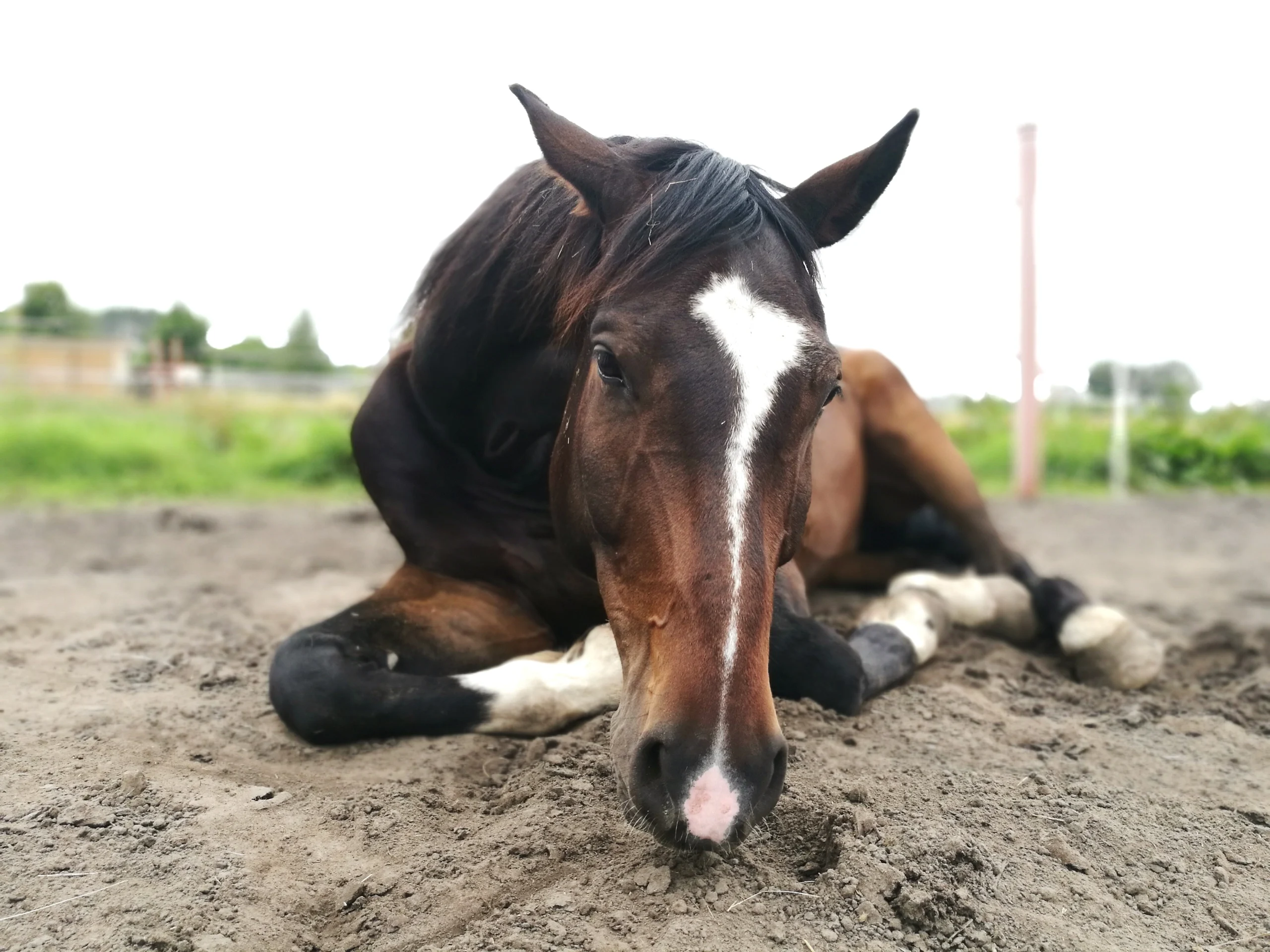
Any horse owner is aware of the terror of the word colic. This has been a widespread yet very fatal condition that affects thousands of horses every year, but the positive aspect is that with the proper feeding management, there is a great risk of reducing your horse. Knowledge of the relationship between nutrition and digestive health is a must to all responsible horse owners.
What Is Equine Colic?
What is equine colic? Colic is abdominal pain in the case of horses in veterinary medicine. It is not one disease, it is an indicator that all is not well with the digestive system. The pain can be mild or severe. In more critical situations, it may be life-threatening and an emergency operation may be required.
The study conducted by PubMed states that colic impacts about 4-10% of horses every year, and some groups have an even greater prevalence rate. It has become the most common cause of death in horses younger than 20 years and, hence, preventive measures with regards to good management are of absolute importance.
Understanding the Numbers
The statistics surrounding equine colic paint a sobering picture of this widespread problem:
| Key Statistic | Value | Research Source |
| Annual Incidence Rate | 4-10% of all horses | PubMed Research |
| Economic Impact (U.S.) | $115 million annually | ScienceDirect Review |
| Colic-Related Deaths | 28% of all horse deaths | PubMed Study |
| Medical Treatment Success | 80-90% with early intervention | University of Minnesota |
| Cases Requiring Surgery | 10-20% of all colics | Veterinary Research |
| Risk After Diet Change | 10 times higher | SmartPak Research |
The Feed-Colic Connection: What Research Tells Us
When examining what is equine colic and its primary causes, feeding management consistently emerges as the most significant controllable risk factor. According to equine nutrition research, diet and changes in diet represent the most important risks for colic in horse populations worldwide.
Critical Feed-Related Risk Factors
According to recent research, certain feeding habits have the potential to increase the risk of colic in a horse dramatically. Knowing them will assist owners to make more excellent decisions:
| Risk Factor | Increased Risk | Study Source |
| Concentrate feed >5 kg/day (11 lbs) | 6.3 times higher | Equine Veterinary Journal |
| Multiple diet changes per year | 2.2-3.6 times higher | Equine Nutrition Research |
| Sudden hay changes | 10 times higher | SmartPak Research |
| Wheat bran feeding | Significantly increased | Veterinary World Indonesia Study |
| Limited water access | Dramatically increased | Veterinary World Research |
| Poor body condition | Significantly increased | Indonesian Working Horse Study |
These findings underscore a crucial point: the way we feed our horses matters more than most owners realize.
The Foundation: Why Forage Matters Most
Horses evolved as continuous grazers, spending 16-18 hours daily consuming small amounts of fibrous plant material. Their digestive systems are specifically designed for this constant trickle of forage moving through the gut. Modern animal feed practices that deviate from this natural pattern create significant health risks.
Forage Requirements for Optimal Digestive Health
Research from University of Minnesota Extension provides clear guidelines on minimum forage intake:
Daily Forage Needs:
- Absolute minimum: 1% of body weight in roughage
- Recommended amount: 1.5-2% of body weight
- Ideal intake: 2-2.5% of body weight
- For a 1,000-pound horse: 15-25 pounds of hay daily
According to Utah State University Extension, horses given free access to quality hay will voluntarily consume 2-2.5% of their body weight daily, which represents their natural intake level.
Why Constant Forage Access Prevents Colic
The benefits of adequate forage intake extend far beyond simply filling the horse’s stomach. Research from Mad Barn explains that forage serves multiple critical functions:
Digestive Benefits:
- Maintains Gut Motility: Fiber makes the gut move. The constant presence of the fiber stimulates rhythmic contractions, which cause the food to be pushed through the intestines.
- Nourishes Microbial Health: The good bacteria in the hindgut are fed on fiber. These bacteria survive maintaining the fragile balance of the microbes.
- Buffers Stomach Acid: The unceasing chewing of the food releases the saliva, which neutralizes the stomach acid.
- Avoiding Impact: Sufficient fiber, coupled with sufficient hydration, has the effect of ensuring smooth passage of intestinal contents.
According to SUCCEED Equine, up to 70% of a horse’s energy comes from fiber digestion in the hindgut, a process taking two to three days after ingestion.
Choosing the Right Forage
Not all hay is equal. Prevention of digestive problems depends on quality. Oregon State University Extension suggests the appraisal of the hay with regard to a number of factors:
Quality Indicators for Safe Hay:
| Quality Factor | High Quality | Poor Quality (Avoid) |
| Color | Bright green to light green | Brown, bleached, or yellow |
| Smell | Sweet, fresh aroma | Musty, moldy, or dusty odor |
| Texture | Soft, pliable, leafy | Brittle, coarse, stemmy |
| Maturity | Early to mid-bloom | Overly mature with seed heads |
| Cleanliness | Free of mold, dust, weeds | Visible mold or contamination |
| Leaf Content | High leaf-to-stem ratio | Mostly stems, few leaves |
Star Milling emphasizes that long-stem forage should comprise at least 50% of total daily forage intake, as it promotes vigorous gut contractions and encourages water consumption more effectively than processed forages.
The Concentrate Conundrum: Managing Grain Safely
Equine nutrition is based on forage. Most horses are also fed on concentrate feeds to satisfy increased energy requirements. Knowing the types of animal feed, including forage and concentrates, allows owners to balance nutrition while minimizing colic risks. But grain feeding is a matter that has a great influence on the risk of colic.
The Danger of Large Grain Meals
The results of a study review by Mad Barn (2024) indicate that high starch diets have the potential to disrupt microbial populations in the entire digestive tract, potentially leading to hindgut acidosis, gut dysbiosis, and colic.
Horses consumed excessive amounts of grain in a single meal, this overloads the digestive tract of the small intestine. The undigested starch is then transported to the hindgut where it is fermented (rapidly) to produce the gases and disturbs the fine balance of bacteria. This may cause gas colic or serious conditions.
Safe Concentrate Feeding Guidelines
American Association of Equine Practitioners provides evidence-based recommendations:
Critical Rules for Concentrate Feeding:
- Maximum per meal: 0.5% of body weight (5 pounds for a 1,000-pound horse)
- Feed at least half of daily energy from roughage sources
- Split larger grain requirements into 3+ smaller meals
- Always feed hay before or with grain to slow passage rate
- Consider lower-starch alternatives like beet pulp or oil
Research conducted by Utah State University indicates that a physical barrier is initially formed by feeding hay which retards the passage of the grain through the stomach. This enables the grain to be entirely absorbed in the small intestine as opposed to fermenting in the hindgut.
Grain Alternatives for High-Energy Needs
To supplement the needs of horses that need extra energy but cannot obtain it through forage, SmartPak Equine suggests taking into consideration the sources of energy based on fiber:
Safer Energy Sources:
- Beet pulp (soaked)- high-calorie source of fiber.
- Rice bran – is fatty and digestible.
- Corn oil or other vegetable oils- pure calories with no starch.
- Alfalfa hay or cubes -even more energy than grass hay.
These options offer the required calories, and the diet is fiber based to support the best digestive health.
Water: The Often-Overlooked Prevention Factor
While discussing feed and what is equine colic, water deserves special emphasis as it’s intrinsically linked to digestive health and colic prevention.
Water Requirements and Dehydration Risk
According to Star Milling feeding guidelines, horses that consume inadequate water are prime candidates for digestive disturbances, particularly impaction colic.
Daily Water Requirements:
- Maintenance (moderate temperatures): 5-10 gallons
- Hot weather or exercise: 10-15+ gallons
- Ideal water temperature: 50-65°F (7-18°C)
- Winter considerations: Use heated waterers or break ice frequently
Research from Indonesia identified limited daily water access as one of the strongest risk factors for colic, with horses having restricted water showing significantly higher colic rates compared to those with constant access.
Encouraging Water Consumption
Star Milling research notes that horses consume less water when temperatures are too cold or too hot, and emphasizes that long-stem fiber promotes greater water intake than processed forages.
Tips to Increase Water Intake:
- Provide clean, fresh water at all times
- Use heated waterers in winter
- Clean water containers regularly
- Consider adding warm water to feed during cold weather
- Monitor consumption during travel or competition
- Offer electrolytes during heavy work or heat
Can Colic Be Prevented in Equine Patients?
Can colic be prevented equine? While not every colic case can be avoided, proper feeding management combined with good overall care dramatically reduces risk. Prevention focuses on creating optimal conditions for digestive health.
Evidence-Based Prevention Strategies
1. Prioritize Forage-First Feeding
Mad Barn research emphasizes that maximizing forage intake while avoiding high-starch feeds encourages natural behaviors and reduces stress and reactivity, supporting both mental and physical well-being.
Implementation:
- Provide free-choice hay whenever possible
- Feed minimum 1.5-2% of body weight in forage daily
- Use slow-feed hay nets to extend eating time
- Ensure 24-hour forage access for optimal stomach health
2. Maintain Feeding Consistency
Research shows that 90% of colic cases occur within 3 days of a diet change. This includes changes to hay type, grain type, feeding amounts, or feeding schedule.
Safe Transition Protocol:
- Make all diet changes gradually over 10-14 days
- Start with 75% old feed, 25% new feed
- Gradually shift ratios every 2-3 days
- Never rush diet transitions, even for seemingly minor changes
- Keep feeding times consistent daily
3. Control Concentrate Intake
AAEP guidelines stress avoiding excessive grain and energy-dense supplements, with at least half the horse’s energy supplied through hay or forage.
Best Practices:
- Keep grain meals under 5 pounds per feeding
- Feed 3+ small meals rather than 1-2 large meals
- Consider eliminating grain entirely for easy keepers
- Use ration balancers to provide nutrients without excess calories
4. Ensure Constant Water Access
Never restrict water access. According to Western Veterinary Hospital, clean fresh water should always be available to prevent dehydration and impaction colic.
5. Promote Exercise and Turnout
PubMed research shows that increasing time at pasture reduces colic risk. Movement stimulates gut motility and encourages natural grazing behavior.
6. Maintain Parasite Control
The Indonesian study found that 69.1% of colicking horses had gastrointestinal parasitic infections, while 70% didn’t receive regular deworming. Strategic parasite control significantly reduces colic risk.
7. Schedule Regular Dental Care
Poor teeth prevent adequate chewing, creating larger feed particles that increase impaction risk. Annual dental examinations with floating as needed are essential.
Special Feeding Considerations
High-Risk Periods for Colic
Understanding when colic risk increases allows for extra vigilance:
| Period | Risk Factor | Prevention Strategy |
| Spring grass flush | Rich, highly fermentable pasture | Limit grazing time, transition gradually |
| Autumn barn changes | Moving from pasture to stalls | Maintain hay access, gradual routine changes |
| Winter | Reduced water intake from cold | Heated waterers, warm water offerings |
| Competition/Travel | Stress, routine changes | Bring familiar feed, maintain schedule |
| Diet transitions | Any feed change | 10-14 day gradual transition protocol |
Age-Related Feeding Considerations
Equine research identified that horses aged 2-10 years face 2.8 times higher colic risk compared to horses under 2 years. Prime-age horses in work require careful feeding management.
Senior Horse Considerations:
- May need processed forages if dental issues exist
- Require more frequent, smaller meals
- Benefit from soaked feeds
- Need careful monitoring of water intake
Young Growing Horses: According to University of Minnesota Extension research, young horses in training need concentration to meet growth demands, but forage should still comprise at least 50% of the diet.
Creating Your Horse’s Colic Prevention Feeding Plan
Daily Feeding Checklist
Morning Routine:
- Check water supply (clean, fresh, adequate amount)
- Observe manure from overnight (amount, consistency)
- Feed forage first, wait 15-30 minutes
- Feed grain portion if needed (max 5 lbs)
- Monitor eating behavior for changes
- Ensure adequate turnout time
Evening Routine:
- Verify adequate water consumption occurred
- Listen for normal gut sounds
- Check for signs of discomfort
- Horse Feed consistent amounts at consistent times
- Provide overnight hay if stalled
Weekly Tasks:
- Inspect hay quality before each new bale
- Monitor body condition score
- Check for behavioral changes
- Ensure salt/mineral availability (2-4 tablespoons daily)
- Clean water containers thoroughly
Monthly Reviews:
- Assess feeding program effectiveness
- Evaluate manure consistency patterns
- Review exercise and turnout routine
- Plan any necessary adjustments (gradually)
Annual Requirements:
- Veterinary health examination
- Dental examination and floating
- Fecal egg count testing
- Review deworming protocol
- Reassess nutritional needs based on work level
Recognizing Early Warning Signs
Prompt recognition of colic symptoms is critical. Western Veterinary Hospital emphasizes that the severity of signs doesn’t always match the severity of the condition, making veterinary evaluation essential for any suspected colic.
Common Colic Symptoms:
- Pawing at the ground
- Looking at or kicking at flanks
- Lying down and getting up repeatedly
- Rolling excessively
- Decreased appetite or refusing feed
- Reduced or absent gut sounds
- Changes in manure production
- Sweating or anxiety
- Elevated heart rate (normal is 28-44 beats per minute)
Call your veterinarian immediately if you observe any of these signs. Early intervention dramatically improves outcomes.
Conclusion
Equine colic is a severe illness although it is much avoidable when feeding and handling habits are meticulously adhered to. Studies indicate that a regular forage-based diet, regulated intake of concentrate and unlimited access to clean water are essential in safeguarding the digestive system. Progressive alterations in the diet, quality forage, and frequent care methods are also additional in decreasing risks. With the help of these evidence-based practices, the owners of horses may greatly reduce the risk of colic and contribute to the health and performance of their horses in the long run.
FAQs
1. What is equine colic and how common is it?
Colic refers to abdominal pain in horses indicating digestive system problems, affecting approximately 4-10% of horses annually. It is the leading cause of death in horses under 20 years old, with severity ranging from mild discomfort to life-threatening emergencies. Research shows 80-90% of cases respond well to early medical intervention, making prompt recognition and treatment crucial.
2. How much forage should my horse receive daily to prevent colic?
Horses should receive 1.5-2% of their body weight in forage daily, which equals 15-25 pounds of hay for a 1,000-pound horse. Constant access to quality forage is ideal since horses evolved as continuous grazers, and this fiber intake maintains gut motility and supports beneficial bacteria. Adequate forage prevents impaction, buffers stomach acid, and supports the natural digestive process that takes two to three days.
3. What are the safe guidelines for feeding grain to horses?
Never feed more than 0.5% of body weight (5 pounds for a 1,000-pound horse) per meal to prevent digestive overload. Divide grain requirements into three or more small meals daily and always feed hay before or with grain to slow passage. Research shows feeding concentrate exceeding 11 pounds daily increases colic risk 6.3 times compared to proper feeding practices.
4. Why is water so important for preventing colic?
Horses require 5-10 gallons of water daily under normal conditions and 10-15+ gallons during hot weather or exercise to maintain digestive health. Inadequate water intake is a primary cause of impaction colic as proper hydration ensures smooth passage of intestinal contents. Always provide clean, fresh water at 50-65°F temperatures, using heated waterers in winter since restricted access significantly increases colic rates.