 Dogs & Cats
 Cattle
 Equine
 Poultry
 Swine
Swine Goats & Sheep
 Game Bird
 Gamecock
 Deer & Wildlife
 Fish & Pond
 Rabbit
 Specialty
 Ingredients & Bulk
 Special Order
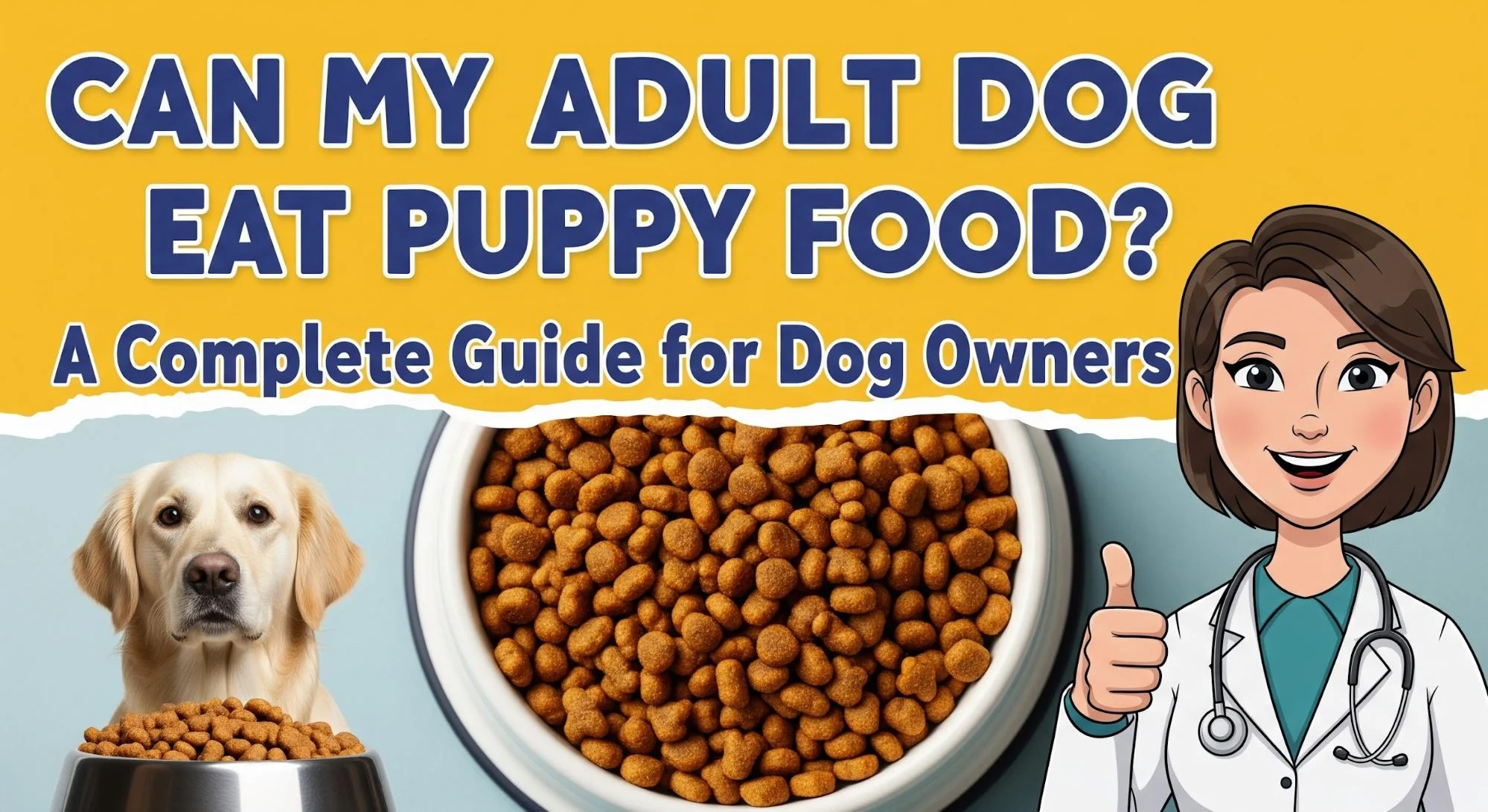
Can My Adult Dog Eat Puppy Food? A Complete Guide for Dog Owners
You may be a dog owner and most likely asked yourself whether it is safe to have your adult dog chewing on puppy food. Perhaps you have taken home a new puppy and your older dog is constantly stealing the food of the puppy or maybe you just want to know the differences between these two kinds of dog food. This detailed manual is going to make you know all you need to know about feeding puppy food to adult dogs.
Understanding the Nutritional Differences
It is important to first find out the reason why adult dogs should not eat puppy food, before we get into discussing the fact that there are different formulations altogether. The nutritional profile of puppy food and the nutritional profile of adult dog food are developed with enormously different nutritional values to suit the unique needs of dogs in different stages of development.
Puppy food is particularly formulated to aid in the fast development and growth. Puppies have very high calorie, protein and fat needs as well as deficiency of some other minerals such as calcium and phosphorus as compared to their adult counterparts. They are growing bones, muscles, organs and their immune systems are developing at an amazing rate. This is a strenuous growth period and they need food rich in nutrients that will provide them with energy to support their active lifestyle and developmental requirements.
In adult dog food, however, the product is designed to maintain as opposed to growing. As dogs grow up, their nutritional and caloric needs are reduced significantly. Adult formulations are aimed at ensuring healthy body weight, sustaining the organ functions and supplying the body with sufficient energy to carry out nondaily tasks but not the surplus amount of nutrients required to help the body grow.
The Short Answer: Yes, But Not Ideal
The simple response is yes, an adult dog can technically be fed on puppy food without harm in the short term. Adult dogs are not poisonous or in danger from puppy food. Nonetheless, it is not advisable to feed adult dogs on puppy food on a regular basis and this could cause a number of health issues in the long run.
Consider it in the following perspective; an adult human being would live off baby food, but it would not be the right nutrition in the long-run. This is also true in respect to dogs and their diets.
Why Adult Dogs Shouldn’t Regularly Eat Puppy Food
Weight Gain and Obesity
Weight gain is one of the most common issues seen when adult dogs are fed puppy food. Since puppy formulas are developed by animal feed manufacturers to meet the high energy demands of growing dogs, they contain significantly more calories per serving than adult dog food. When a mature dog consumes these excess calories without the need for growth, it can quickly lead to unwanted weight gain.
Canine obesity is linked to several serious health concerns, including diabetes, joint stress, heart disease, and a reduced lifespan. Even a small increase in body weight can negatively affect a dog’s overall quality of life and increase the risk of long-term medical problems.
Nutritional Imbalance

Dogs that have been fed on pup food only are likely to be exposed to nutritional imbalances. Increased calcium and phosphorus found in the puppy food although essential in bone growth is problematic to the adult dogs. High levels of calcium in adult dogs have been associated with the development of skeletal problems, and it may balance with the absorption of other essential minerals.
The protein and fat levels of the puppy food is suitable to young children but higher than most of the adult dogs require. This may cause an unwarranted workload on organs such as the kidney and liver which have to absorb these surplus nutrients.
Digestive Upset
There are adult dogs that might be having problems with their digestive system when fed on puppy food. The more fatty and high-calorie content formula may lead to stomach discomfort, diarrhea or even more flatulence in dogs that are used to adult formula. This is especially the case with dogs that have sensitive stomachs or are food sensitive.
When It Might Be Acceptable
It may be possible to tolerate some cases of an adult dog eating puppy food every now and then or temporarily:
Anorexic or Recovering Dogs
The extra calories in puppy food may be beneficial to dogs that are either underweight, have become ill, or are recovering due to surgery. The underweight adult dogs that require to grow in a healthy way are occasionally advised by veterinarians to be fed on puppy food. Nevertheless, this is to be done under veterinary care.
Highly Active Working Dogs
Working dogs, agility competitors or sled dogs, some of the most active dogs, might need the extra calories puppy food contains. These dogs consume very high levels of energy and can not easily retain healthy body weight on normal adult formulations.
Pregnant or Nursing Dogs
An expectant female dog or a mother of a litter of pups has extremely high nutritional needs. Numerous veterinarians advise the transfer of pregnant dogs to puppy food in the last trimester and when they are still nursing to support their high caloric and nutritional demands.
Multi-Dog Households
When you are having puppies and adult dogs in your house, then you may fear that your adult dog will sometimes feed on the bowl of the puppy. One or two stolen bites here and there will do no harm, but it is wiser to keep your dogs separate, so as to have each one fed on his proper diet.
Best Practices for Multi-Dog Feeding
There must be a plan in tending to the mealtimes of a family with puppies and adults. The following are some of the tips that can be put in place to make sure every dog is fed appropriately:
Feed your dogs in other rooms or put baby gates that would form feeding areas. This will deter food theft and will enable you to keep track of the consumption of all dogs. The possibility of not being separated at certain times, consider feeding at other times, and have one dog eating as the other is busy elsewhere.
Adult dogs should be fed with using higher feeders in the case of small puppies who cannot access higher areas. Carry food bowls that you have eaten after meals instead of leaving them down all day which will provide you more control over who eats what.
Transitioning Between Foods
In case you need to switch your adult dog to puppy food or vice versa due to any cause then you should do it gradually in seven to ten days. Any change in diet suddenly may lead to gastric discomfort irrespective of the type of food consumed. Begin with little of the new food combined with the current food and slowly gradually increase the new food percentage, but reduce the old one.
Signs Your Dog Needs a Diet Change
- Signs to consider that the current food intake of your dog is not meeting his or her requirements include:
- Sudden weight gain or loss – The sudden increase or decrease in the weight of your dog without an increase or decrease in the activity level.
- Alterations in the quality of the coats – Smaller, dry or hard fur without its usual shine and softness.
- Loss of energy – This is evident as limited interest or noticeable lethargy in activities which they previously enjoyed.
- Digestive problems- Often vomiting, too much gas or stomach pain.
- Alterations in the consistency of the stool – Chronic diarrhea, constipation or abnormally loose or firm stool. Knowing what to feed a dog with diarrhea at this stage can help prevent the issue from worsening.
Conclusion
Although there is no urgent threat of your adult dog eating puppy food and not causing harm, it should not be a pattern in the diet. The calories, protein, fats, and minerals surplus in puppy food are tailored to the growing puppies and could cause obesity and health issues to adult dogs in the later stages of their lives.
Always feed your dog food that is age appropriate and also consult your veterinarian in case you have any questions with regard to what your dog should be fed on. Your vet can give individual advice depending on your dog’s age, size, activity and health status. With the proper formulated adult diet, you will be taking care of your adult dog to make sure that they are kept in the best possible health throughout their life.
Keep in mind that one of the investments that you can make into your long-term happiness and health of your dog is proper nutrition.
FAQs
1. Can adult dogs safely eat puppy food occasionally?
Yes, adult dogs can safely eat puppy food occasionally without immediate harm. A few stolen bites from your puppy’s bowl won’t cause serious problems. However, puppy food should not become a regular part of your adult dog’s diet, as the higher calorie and nutrient content is specifically designed for growing puppies, not mature dogs.
2. Why is puppy food bad for adult dogs long-term?
Puppy food contains significantly more calories, protein, fat, calcium, and phosphorus than adult dogs need. Regular consumption can lead to obesity, which increases risks of diabetes, joint problems, and heart disease. The excessive nutrients may also strain your dog’s kidneys and liver, and the high calcium levels can cause skeletal issues in adult dogs.
3. When might an adult dog need to eat puppy food?
There are specific situations where puppy food may be beneficial for adult dogs: underweight or recovering dogs needing extra calories, highly active working dogs with extreme energy demands, and pregnant or nursing dogs with increased nutritional needs. However, this should only be done under veterinary supervision to ensure it’s appropriate for your dog’s specific situation.
4. How can I prevent my adult dog from eating my puppy’s food?
Feed your dogs in separate rooms or use baby gates to create distinct feeding areas. You can also feed them at different times, use elevated feeders that puppies can’t reach, or pick up food bowls immediately after meals rather than leaving them down all day. These strategies give you better control over each dog’s diet.
5. What signs indicate my dog’s current food isn’t right?
Watch for sudden weight changes without activity level changes, coat quality deterioration (dull, dry, or brittle fur), decreased energy or lethargy, digestive issues like frequent vomiting or excessive gas, and stool consistency changes such as chronic diarrhea or constipation. If you notice these signs, consult your veterinarian about whether a diet change is needed.