 Dogs & Cats
 Cattle
 Equine
 Poultry
 Swine
Swine Goats & Sheep
 Game Bird
 Gamecock
 Deer & Wildlife
 Fish & Pond
 Rabbit
 Specialty
 Ingredients & Bulk
 Special Order

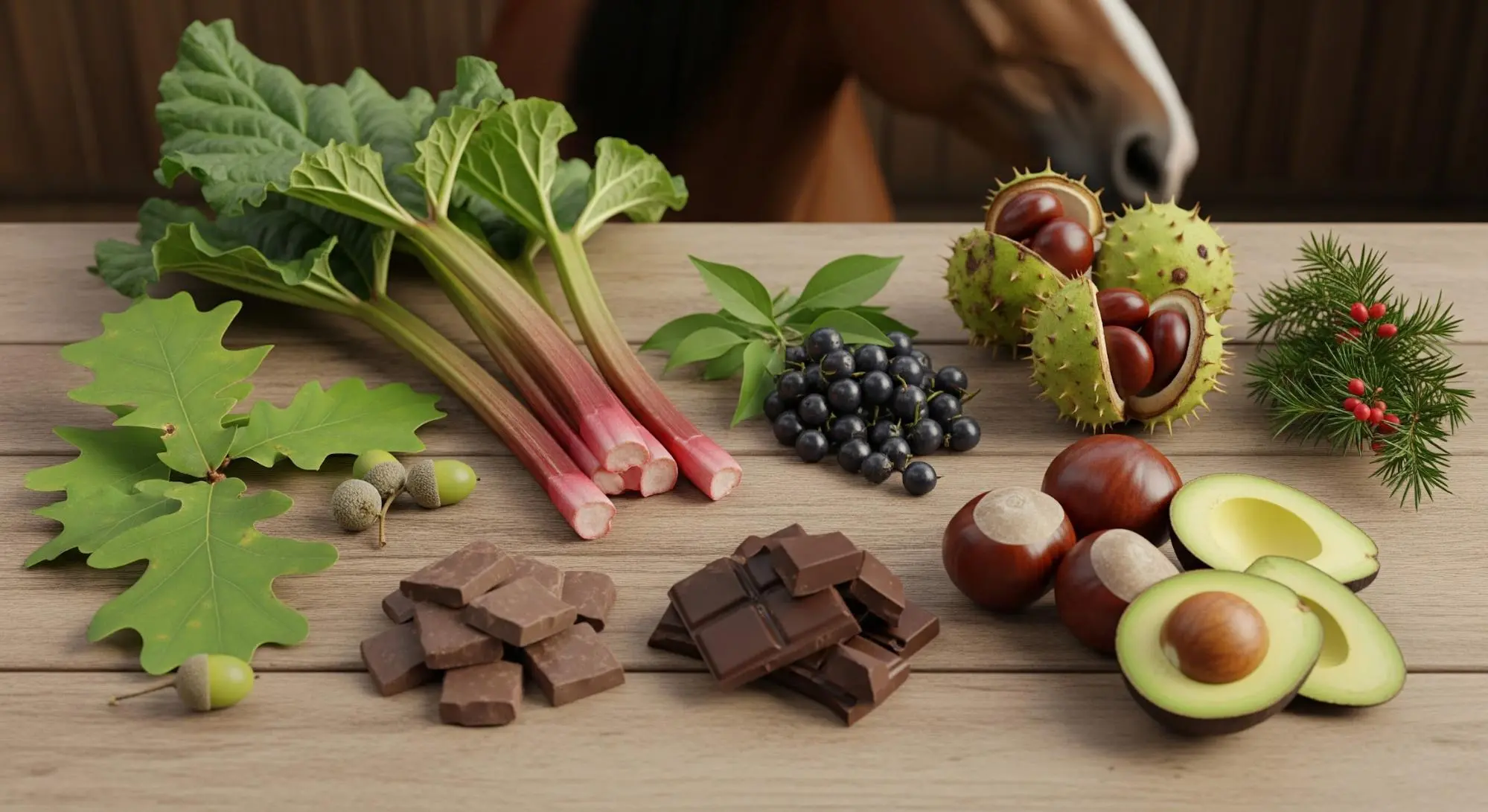
Knowing which foods to avoid feeding horses could be life and death to your horse. Although horses can be viewed as strong animals who can decide what to eat safely, studies conducted by veterinary toxicologists indicate that they are not always able to differentiate between safe and harmful plants. This is an in-depth reference on hazardous food substances in horses, and it aids in ensuring that horse owners keep their horses out of risky ingestion cases that can cause their death.
Understanding Horse Toxicity: The Critical Facts
The digestive system of horses is sensitive and it does not respond favorably to most of the food and plants that are common. Veterinary clinical toxicologist Dr. Cynthia Gaskill of the University of Kentucky Veterinary Diagnostic Laboratory says that most horse owners are making a wrong assumption that their animals have a natural instinct of what to avoid. This prejudicial supposition has seen the cases of countless cases of poisoning in North America.
A 2024 research monitored that monensin sodium, a commonly incorporated ionophore in cattle food, is lethal to horses in the range of 1 mg per kilogram of body weight. This is an indication that drugs that are not harmful to a certain species of livestock may be very toxic to horses.
Knowledge of horse anatomy can explain the weakness of horses. Horse stomach has a single chamber as opposed to the multiple chambers in cattle, and their system of fermentation in the hindgut is sensitive. Such anatomical variation implies that when a horse eats something that is toxic especially if it comes from contaminated livestock feed or mixed rations the reaction is quick and dangerous with minimal response time.
Common Household Foods Horses Should Never Eat
People who have good intentions are mostly found sharing the treats out of their kitchen not knowing the risk of it. These are the poisonous foods of the horses, which look innocuous yet have the compounds that agitate the normal functioning of the vital organs.
Chocolate and Caffeine Products

Theobromine and caffeine in chocolate are very dangerous. These amphetamine derivatives influence the cardiovascular and nervous systems and may lead to seizures, internal bleeding, rising heart rate, muscle tremors, diarrhea, or even equine colic in some cases. Horses can develop toxic reactions even with very small portions of chocolate, making it one of the most dangerous foods for them. Horses can develop toxic reactions even with very small portions of chocolate, and this makes it one of the worst food substances that they can be exposed to.
Avocados: Hidden Danger
Persin is a fungicidal toxin that is found in every part of the avocado plant and is especially highly concentrated in the leaves, skin and pits. Although the flesh has less concentration, its consumption may lead to colic, breathing difficulties, head and neck swelling, and abnormal heart rate. Under no circumstances can avocados be consumed by equine since they have a low likelihood to benefit the animal.
Onions, Garlic, and Related Vegetables
Allium foods have n-propyl disulphide that destroys red blood cells causing Heinz Body Anemia. In a 2005 study, researcher Wendy Pearson discovered that at high doses (250 grams a day of a 500-kilogram horse), garlic led to major changes in blood including reduced red blood cells and the dilution of hemoglobin.
The experiment also showed significant changes in both the mean corpuscular volume and alarming decreases in the blood oxygen-carrying capacity, which confirmed that what cannot be consumed by the horses also includes apparently healthy foodstuffs such as garlic when administered in excessive amounts.
Potatoes and Nightshade Family
Solanine and chaconine are two glycoalkaloid toxins that are found in uncooked or sprouted potatoes. The symptoms of poisoning are drowsiness, weakness, difficulty breathing and colic. Nevertheless, cooking does not destroy these compounds, so potatoes should not be added to equine diets despite the mode of preparation.
Dairy Products
Adult horses do not produce lactase enzymes in sufficient amounts to digest lactose. Breastfeeding, cheese, yogurt or any dairy foods lead to diarrhea, bloating, digestive stimulation and risk colic. In comparison to calves, adult horses cannot enjoy the dairy intake and, in case of the need to support gut health, they should be offered equine-specific probiotics.
Toxic Plant Identification Horses: Deadly Vegetation
The most serious risk is possibly presented by pasture plants. The identification horses that get exposed to toxic plants on a regular basis would need careful surveillance and elimination on spotting.
Red and Silver Maple Trees
The wilted maple leaf has chemicals that when mixed with some bacteria give rise to oxidants that destroy red blood cells. The poisonous chemical is attached to the gallic acid concentrations which augment during summer. A normal horse can take 1.5 to 3.3 pounds of wilted leaves to develop life threatening reactions. The symptoms are loss of appetite, red colored urine, increased drinking and urination and general depression. The greatest exposure risk is the fallen branches after a storm and the wilted leaves are toxic as long as 30 days.
Yew Plants: Instant Fatality Risk
The taxine alkaloids are concentrated in the needles and the bark of American, English, Japanese and Western varieties of yew. These substances trigger cardiac arrest immediately where they tend to die before the effects are felt. The signs do appear, and they are trembling, difficulty in breathing, collapse, and seizure. The evidence of decorative wreaths and garden clipping thrown into pastures are typical sources of exposure, and even after drying, the leaves are still toxic.
Hemlock: The Silent Killer

Poison hemlock (Conium maculatum) is a plant that contains pyridine alkaloids that influence the nervous system. Hemlock is also especially dangerous because horses unexpectedly eat it even in case other forage is present. Even large doses lead to paralysis of the muscles including the respiratory system. The symptoms include nervousness, dilation of the pupils, tremors, inability to breathe properly and paralysis that gets worse. Majority of the horses die in five to ten hours of development of symptoms. Hemlock poisoning has no antidote and hence prevention is paramount.
Ragwort: Cumulative Liver Damage
This pasture weed is a common one that contains pyrrolizidine alkaloids which cause chronic liver damage on repeated exposure. The effects of ragwort take time to build up unlike acute toxins where horses develop the symptoms only when the liver is permanently destroyed. The clinical symptoms are coldness, depression, jaundice, and neurological anomalies caused by liver failure.
Oleander: Beautiful but Deadly
This ornamental bush generates strong cardiac glycoside that influences the ions balance of the heart. Even small amounts such as 0.005 per cent of body weight (0.05 pound with a 1,000 pound horse) are fatal. The major pathway of exposure is garden refuse dumped into pastures. Such symptoms as irregular heartbeat, colic, and cardiac failure sudden death are also observed.
What to Do If Horse Eats Toxic Plant: Emergency Response
Time-critical action determines survival outcomes when horses ingest poisonous substances. Follow this protocol immediately upon discovering or suspecting poisoning:
Immediate Actions
- Remove the horse from the suspected toxin source and prevent other horses from accessing the area
- Contact your veterinarian immediately without waiting for symptoms to develop
- Contact Pet Poison Helpline at 855-764-7661 for 24/7 toxicology guidance
- Collect samples of the suspected plant or substance for veterinarian identification
- Observe and document any symptoms, timing, and quantity potentially consumed
What NOT to Do
Do not strive to make horses vomit: this is unsafe and ineffective in their body. Should not feed, water, or medicate without veterinary advice. The wait and see policy should be avoided since most toxins are fast-acting, with small treatment margins.
Horse Poisoning Symptoms: Recognition Guide
Symptoms vary dramatically based on the specific toxin, quantity consumed, and individual horse factors. Common indicators include:
Neurological Signs:
- Head-pressing against walls or fences
- Circling or staggering gait
- Muscle tremors or weakness
- Dilated pupils or vision changes
- Strange or violent behavior
- Seizure activity
Digestive System Indicators:
- Colic symptoms (pawing, rolling, lying down repeatedly)
- Diarrhea or unusual feces
- Excessive salivation
- Loss of appetite
- Gas and bloating
Cardiovascular and Respiratory:
- Rapid or irregular heartbeat
- Difficulty breathing
- Patchy sweating
- Pale or abnormal gum color
- Red or discolored urine
Other Warning Signs:
- Sudden collapse
- Depression or lethargy
- Increased drinking and urination
- Swelling of face, neck, or legs
Depending on the toxin, the symptoms can manifest in minutes or be delayed several days. Others end up having no symptoms but with progressive organ damage that shows itself some weeks after.
Foods Toxic to Horses: Comprehensive Reference Tables
Table 1: Common Toxic Foods and Their Effects
| Food Item | Toxic Component | Primary Organs Affected | Lethal Dose Range | Onset Time |
| Chocolate | Theobromine, Caffeine | Heart, Nervous System | Varies by concentration | 2-4 hours |
| Avocado | Persin | Heart, Lungs, Digestive | Any amount risky | 12-24 hours |
| Onions/Garlic | N-propyl disulphide | Blood (Red blood cells) | 250g+ daily | Days to weeks |
| Raw Potatoes | Solanine, Chaconine | Nervous System, Digestive | 500g+ | 2-6 hours |
| Dairy Products | Lactose | Digestive System | Varies | 1-4 hours |
| Bread | Yeast, High Starch | Digestive System | Large quantities | 2-8 hours |
| Tomatoes | Tomatine | Digestive System | Moderate to high | 4-12 hours |
| Rhubarb Leaves | Soluble Oxalates | Kidneys | 2-4 kg | 12-24 hours |
Table 2: Deadly Plants and Emergency Information
| Plant Name | Toxic Parts | Critical Symptoms | Time to Death | Treatment Availability |
| Yew (All Species) | Needles, Bark, Berries | Sudden cardiac arrest | Minutes to hours | None – Often fatal before treatment |
| Poison Hemlock | Entire Plant | Muscle paralysis, respiratory failure | 5-10 hours | No antidote – Supportive care only |
| Red Maple | Wilted Leaves | Red blood cell destruction, red urine | 12-48 hours | Intensive care – Variable success |
| Oleander | All Parts | Irregular heartbeat, cardiac failure | Hours to 1 day | Limited – High mortality |
| Ragwort | Entire Plant | Liver failure | Weeks to months | None for advanced cases |
| Sycamore | Seeds, Saplings | Muscle disease, respiratory/heart failure | 1-3 days | Supportive – Often fatal |
| Hoary Alyssum | Plant in Hay | Severe laminitis | 12-24 hours | Supportive – Requires prompt treatment |
Prevention Strategies: Keeping Your Horse Safe
The best method of the defense against exposing horses to the toxic materials is the prevention of the same. These are the safety details that should be implemented:
Pasture Management
- Conduct monthly pasture walks to identify and remove toxic plants before they spread
- Install fencing around trees known to be toxic, including maple, yew, oak, and cherry varieties
- Monitor neighboring properties for overhanging branches or seed dispersal from toxic trees
- Remove storm-damaged branches immediately, particularly after severe weather events
- Maintain adequate nutritious forage to discourage horses from eating unusual plants
Feed Safety Protocols
- Purchase hay and feed only from reputable suppliers. MidSouth Feeds supports dealers by ensuring their feed is free from toxic contaminants, providing peace of mind to horse owners.
- Examine hay bales for unusual plant material before feeding
- Store grain and supplements in rodent-proof containers away from pesticides
- Never feed cattle feed, dog food, or other species-specific feeds to horses
- Verify commercial feeds are manufactured in facilities with equine-specific production lines
Environmental Controls
- Secure trash and compost areas where horses cannot access them
- Remove garden clippings, lawn waste, and decorative plant trimmings properly
- Store household chemicals, paints, and cleaning supplies in locked areas
- Prevent access to treated lawns or fields until chemicals fully dissipate
- Use horse-safe herbicides and follow waiting periods before turnout
Education and Awareness
- Learn to identify toxic plants common to your geographic region
- Photograph unknown plants and consult local agricultural extension offices for identification
- Share information with barn staff, family members, and anyone caring for horses
- Keep emergency contact numbers readily accessible, including your veterinarian and poison helpline
- Conduct regular safety audits of your horse’s environment
Special Considerations for Different Horse Populations
Certain horses face elevated risks from toxic exposures:
Pregnant Mares: Some plant toxins cause abortion in late-term pregnancies. Hoary alyssum and locoweed present particular risks to gestating mares.
Young Horses: Foals and weanlings explore their environment orally and may consume toxic substances out of curiosity rather than hunger. Their smaller body size means lower toxic thresholds.
Horses with Metabolic Issues: Animals with insulin resistance, Cushing’s disease, or metabolic syndrome face compounded risks from high-sugar or high-starch foods that healthy horses might tolerate in small amounts.
Senior Horses: Older horses with compromised organ function process toxins less efficiently, making even minor exposures more dangerous.
Treatment Approaches When Poisoning Occurs
While prevention is ideal, understanding treatment protocols helps in emergency situations. Veterinary intervention typically includes:
Decontamination Methods
When ingested in a few hours, veterinarians can insert a nasogastric tube to empty stomach with lavage. Activated charcoal that is used medically through tube traps the toxin and blocks absorption. Such laxatives as the magnesium sulfate (Epsom salt) or mineral oil are used to accelerate the evacuation via the feeding tube.
Supportive Care
The majority of plant poisoning subjects do not have particular antidotes, so supportive care is essential. The intravenous fluids ensure the flow of blood, shock treatment, and prevent the damage of the kidneys. In case toxins destroy red blood cells, horses might need blood transfusion. Oxygen supplementation deals with breathing weakness. Mechanical ventilation might be required in the severe cases of the neurological conditions, but the prognosis is watched.
Monitoring and Follow-up
Liver and kidney value blood work monitors the functioning of the body organs. It is through urine tracking that some toxins can be detected and kidney functionality evaluated. Plants with cardiovascular effects on cardiac rhythm are detected by CAM. The chronic damage would not have taken place as some of these toxins lead to delayed organ failure and this cannot be noticed immediately but only after a long period.
Conclusion:
Knowledge about the toxicity of foods to horses assists its owners to provide a safer environment and avoid unnecessary health hazards. Horses do not naturally know which foods or plants are poisonous, and therefore, it is necessary that the owners become aware of the critical matter and have the pasture and feed regularly inspected. Awareness of usual toxics, initial symptoms of poisoning, and easy access to a veterinarian or a poison helpline could be life-saving. Working with trusted horse feed distributors can also ensure that your horse receives safe, high-quality feed free from contaminants or harmful additives. Horse owners can significantly mitigate the risks of being poisoned by abiding by the right prevention measures and consulting professionals in case of doubt. Along with avoiding toxic substances, focusing on the best food for horses ensures a safe, balanced diet that supports overall health, performance, and longevity.
FAQs
1. What foods are toxic to horses?
Foods toxic to horses include chocolate, avocados, onions, garlic, raw potatoes, dairy products, and bread in large amounts. These foods can damage the nervous system, digestive tract, blood cells, or heart. Even small quantities may cause serious health issues.
2. Why can’t horses instinctively avoid poisonous foods?
Horses do not have a natural ability to identify toxic foods or plants reliably. They may consume harmful items out of curiosity, boredom, or limited forage availability. This makes owner awareness and prevention extremely important.
3. Is chocolate dangerous for horses?
Yes, chocolate is highly toxic to horses due to theobromine and caffeine. These compounds affect the heart and nervous system, leading to tremors, seizures, or internal bleeding. Even small amounts can trigger severe reactions.
4. Are avocados safe for horses to eat?
No, avocados are unsafe for horses because they contain persin, a toxic compound. Ingestion can cause colic, breathing difficulty, swelling, and heart problems. All parts of the avocado plant pose a risk.
5. Can horses eat onions or garlic?
Onions and garlic can damage red blood cells and cause anemia in horses when consumed in moderate to large amounts. Long-term or repeated exposure increases the risk of weakness and reduced oxygen circulation. These foods should be avoided entirely.
6. What plants are most dangerous for horses?
Highly toxic plants include yew, poison hemlock, red maple leaves, oleander, and ragwort. Some of these plants can cause sudden death, while others lead to long-term organ damage. Regular pasture inspection is critical for prevention.
7. What should I do if my horse eats a toxic food or plant?
Remove the horse from the source immediately and contact your veterinarian without delay. Do not wait for symptoms to appear, as many toxins act quickly. You can also call Pet Poison Helpline at 855-764-7661 for guidance.
8. What are common signs of poisoning in horses?
Common symptoms include colic, diarrhea, tremors, difficulty breathing, irregular heartbeat, and unusual behavior. Some toxins cause delayed symptoms, appearing days or weeks later. Any sudden change in health should be treated as an emergency.
9. How can I prevent food poisoning in horses?
Prevent poisoning by controlling pasture plants, inspecting hay, and avoiding feeding household scraps. Store feeds properly and never give horses food meant for other animals. Education and routine safety checks reduce most risks.