 Dogs & Cats
 Cattle
 Equine
 Poultry
 Swine
Swine Goats & Sheep
 Game Bird
 Gamecock
 Deer & Wildlife
 Fish & Pond
 Rabbit
 Specialty
 Ingredients & Bulk
 Special Order
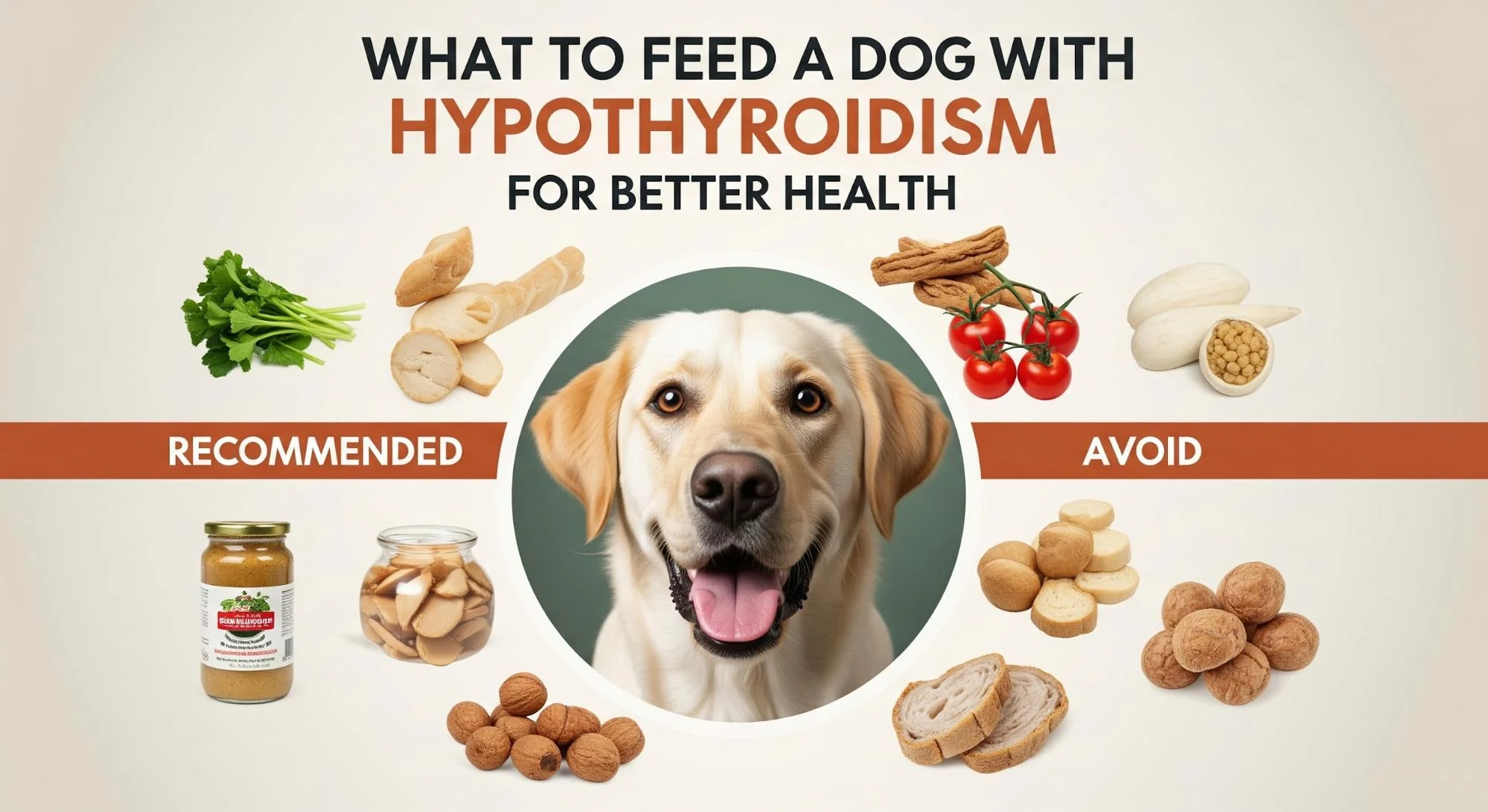
In dealing with canine hypothyroidism using nutrition, the emphasis must be on the high quality lean proteins (chicken, turkey, fish), omega-3 fatty acids (fish oil or salmon), and complex carbohydrates (sweet potatoes, brown rice). The recommended diet comprises 25-30% protein, moderate healthy fats and controlled food portions that are considered to aid metabolism transformation. This nutritional strategy should be used together with thyroid medication prescribed by the veterinary, and frequent monitoring of the organism. The American Kennel Club Canine Health Foundation cites that about 1 out of 500 dogs acquires hypothyroidism, which is normally between the ages of 4-10 years and therefore proper nutrition is important to control it in the long run together with medication.
Understanding Thyroid Function in Canines
The thyroid gland is very crucial in controlling metabolism, energy and general body activities. This gland performs poorly causing a condition that occurs in about 1 in 500 dogs (Source: American Kennel Club Canine Health Foundation), hence it is one of the most diagnosed endocrine ailments in dogs. A study that was carried out by the veterinary endocrinology journals indicates that the condition usually starts developing in middle-aged dogs aged between four and ten years old, although it may have any age.
As the production of thyroid hormones is reduced due to the nature of the metabolism, it implies that your companion can lose or gain weight, feel tired, and have different nutrition requirements. By being aware of these changes, parents of pets can make well-informed choices regarding everyday care activities.
Nutritional Foundations for a Dog Hypothyroidism Diet
The first step to establish an appropriate dog hypothyroidism diet is the comprehension of the balance of macronutrients and quality of ingredients. Excellent nutrition starts with the choice of whole food items that would give full nutrition and help in maintaining metabolic health.
Protein Requirements for Metabolic Support
Any healthy dog diet is based on high-quality protein sources. Lean proteins are particularly important to dogs, which have thyroid conditions, since they help to maintain muscle mass when the metabolic rate is lowered. Consider incorporating:
Optimal Protein Sources:
- Chicken breast and turkey (skinless varieties provide lean nutrition)
- Fish such as salmon, sardines, and white fish (dual benefit of protein plus omega-3s)
- Lean beef and bison (iron-rich options)
- Eggs (excellent source of complete amino acids and bioavailable nutrients)
- Cottage cheese in moderate amounts (calcium and protein combination)
Protein facilitates muscle maintenance, which is very critical in cases when there is a shift in metabolism. Veterinary nutritionists suggest that the percentage of protein in the daily caloric intake of your dog be approximately 25-30% of the total energy consumed each day by the dog, although it depends on the size of your dog, its active level, and the general health condition of the dog.
Healthy Fats and Omega Fatty Acids
In the thyroid-supportive nutrition plans, particular emphasis must be put on omega-3 fatty acids. These are needed fats and help to reduce inflammation and cellular health in the body. Studies conducted in veterinary medicine indicate that omega-3s help in several physiological processes.
Quality Fat Sources:
Fish oil contains two omega-3 fatty acids, EPA and DHA that aid in carrying out many functions in the body such as skin health and inflammation. Another useful omega-3 is flaxseed oil. Small quantities of coconut oil may serve as a source of medium-chain triglycerides. Moderate quantities of healthy fats are beneficial in retaining the quality of the coats, skin and proper absorption of fat-soluble vitamins A, D, E and K.
Complex Carbohydrates for Steady Energy

The right sources of carbohydrates assist in the maintenance of normal energy levels within the day. Fiber and prolonged release of energy are made by sweet potatoes, brown rice, quinoa, and oats. These are complex carbohydrates that are not easily degraded as compared to simple sugars which ensure a stable level of sugar in the bloodstream and avoid bursts and crashes of energy.
Essential Nutrients and Supplements
There are certain nutrients that have certain functions in aiding the thyroid and the general metabolic health. Knowing these can make you make decisions that are informed in the process of choosing the most appropriate dog food to treat hypothyroidism.
Selenium has a role as a cofactor in production and conversion of thyroid hormone. The trace mineral exists naturally in fish, Brazil nuts, and some types of meat. Selenium aids the enzymes which help to convert T4 thyroid hormone into T3 active form.
Zinc helps in the body to maintain the immune system and in the production of hormones. Animal proteins of good quality are usually sufficient sources of zinc. The mineral is needed to facilitate the proper functioning of the cells in the body.
Iodine should be evaluated with respect. Although iodine is necessary in the production of thyroid hormones, sometimes too much of it may cause complications. The majority of complete and balanced commercial food has the right amount of iodine developed by veterinary nutritionists.
B Vitamins are involved in the metabolism of energy and cellular activity. Such natural sources of various B vitamins include whole grains, meats, and eggs. These vitamins are soluble in water and that is why they are important in the transformation of food into usable energy.
Table 1: Beneficial Ingredients for Thyroid-Supportive Nutrition
| Ingredient Category | Examples | Primary Benefits | Serving Suggestions |
| Lean Proteins | Chicken, turkey, fish, eggs | Muscle maintenance, amino acids | 25-30% of daily calories |
| Omega-3 Sources | Salmon, sardines, fish oil | Inflammation support, cellular health | 1000mg EPA+DHA per 30lbs body weight |
| Complex Carbs | Sweet potato, brown rice, oats | Steady energy, fiber content | 30-40% of daily calories |
| Vegetables | Carrots, green beans, pumpkin | Vitamins, minerals, fiber | 10-15% of daily calories |
| Healthy Fats | Fish oil, flaxseed oil | Coat health, nutrient absorption | 15-20% of daily calories |
Feeding Strategies and Meal Planning
Setting up regular feeding routines enables the regulation of metabolism, and it is easier to monitor. The majority of veterinary workers suggest that daily food intakes should be split into two, with the intervals between them being about twelve hours. This modality facilitates homogenous energy levels and stomach ease.
It is also necessary to have portion control because weight management may be a problem due to the changes that occur in metabolic processes. Consult your veterinary team and calculate proper daily caloric intake depending on the optimal body weight of the dog and not the present weight, in case changes are necessary.
Sample Daily Feeding Structure
Morning Meal (7-8 AM): The combination of lean protein (chicken or fish), complex carbohydrate (sweet potato or brown rice), and vegetables (green beans or carrots) with a little fish oil. This is a sustained energy source since the morning and midday hours are used.
Evening Meal (7-8 PM): The structure will be the same, but the choice of proteins and vegetables should be more diverse. The rotation eliminates boredom and provides a variety of nutrients. This method will provide equal nutrition during the day and will not cause stomach upsets.
Fresh water must never be turned off. Hydration is beneficial to elderly individuals because it facilitates all body processes, including metabolism and transportation of nutrients. Track water consumption because any alterations can be a sign that health is changing and needs medication.
Choosing the Best Dog Food for Hypothyroidism
Ingredient labelling is essential when making commercial choices. Seek out items whose animal source ingredients are the first listed. Chicken or salmon will show better quality in comparison with a generic name such as poultry meal or any meat by-products.
Label Reading Guidelines:
Avoid products that have too many fillers e.g. corn gluten meal, wheat middling or other fillers that are low in nutrition. Avoid artificial colors (such as Blue 2, Red 40), artificial flavors or preservatives that are not necessary such as BHA, BHT or ethoxyquin. Whole food does not offer anything unhealthy, unlike heavily processed ingredients.
A great number of high-end brands create recipes that are aimed at weight control or metabolic assistance. They tend to be very consistent with the principles of thyroid-supportive nutrition, which include a balanced calorie level (around 300-350 calories per cup) and quality food. Seek out products that are marked as complete and balanced that are in compliance with AAFCO (Association of American Feed Control Officials) criteria.
Commercial Food Features to Prioritize:
- Named meat protein as first ingredient
- Whole grains or grain-free complex carbohydrates
- Added omega-3 fatty acids
- No artificial additives
- Moderate fat content (12-15% on dry matter basis)
- Appropriate calorie density for weight management
Table 2: Key Nutrients and Their Food Sources
| Nutrient | Function | Natural Food Sources | Daily Recommendation |
| Selenium | Thyroid hormone conversion support | Fish, eggs, turkey, Brazil nuts | 0.35-0.5 mg/kg of food |
| Zinc | Hormone synthesis support | Beef, lamb, pumpkin seeds | 120-150 mg/kg of food |
| B Vitamins | Energy metabolism | Whole grains, meats, eggs | Varies by B vitamin type |
| Omega-3 Fatty Acids | Inflammation management | Salmon, sardines, fish oil | 75-100 mg/kg body weight |
| Fiber | Digestive health, satiety | Sweet potato, pumpkin, oats | 2-4% of dry matter |
Foods and Ingredients to Minimize
When emphasizing the positive contents, the knowledge of things to avoid maximizes the nutrition strategies. The goitrogens are found in the cruciferous vegetables such as broccoli, cauliflower, cabbage and Brussels sprouts, and these compounds are capable of disrupting the functioning of the thyroid gland when they are taken in large quantities. Small portions should not normally be a matter of concern; however, this should not be a substantial amount of daily consumption.
Goitrogenic compounds are also found in soy products. Soy is a protein source or a filler in many commercial foods and thus if one is to avoid excess consumption then label reading becomes essential. Soybean meal, soy protein concentrate, or soy flour should be low in the ingredient list in case they are included in it.
Dietary fat is dangerous when taken in excess. Though healthy fats play vital roles in the health of the coat and nutrient absorption, balance is also essential. The total fat content ought to remain at 12-15% in dry matter base to dogs that are involved in the management of hypothyroidism.
Dog Breeds Prone to Hypothyroidism
Knowledge on the breeds of dogs likely to develop hypothyroidism assists in creating early awareness and recognizing. Some breeds are genetically predisposed towards this. The most common breeds that have higher incidence rates according to veterinary research are:
High-Risk Breeds:
- Golden Retrievers (one of the most commonly affected)
- Doberman Pinschers
- Irish Setters
- Cocker Spaniels
- Dachshunds
- Boxers
- Beagles
- Airedale Terriers
When you live with any of these breeds, the preventive nutritional decision and consistent veterinary examinations assist you in maintaining the well-being into old age. When the thyroid function starts deteriorating, early intervention is likely to yield more positive results. Thyroid panels and other annual blood work can identify changes and identify them prior to the emergence of symptoms.
Monitoring and Adjusting Nutrition Plans
Consistent weight check-ups can be used to determine whether feeding plans are working in your favor in the best interest of your companion. Weigh-ins, which are done weekly, offer a good source of data and do not produce too much stress. Numerous veterinary clinics accept short visits only to check the weight (and sometimes free of charge).
Monitoring Checklist:
- Weekly body weight tracking
- Body condition score assessment (1-9 scale)
- Energy level observation
- Coat quality evaluation
- Appetite and water intake patterns
Another useful assessment tool is body condition scoring. Training on how to assess the health status of your dog using your eyes and hands will assist you in making adjustments that are required and do not wait until it is late. The score is healthy body condition 4-5 on a 9-point scale, in which the ribs are visible but not easily felt.
Additional feedback on nutritional adequacy comes in the form of energy levels, coat condition, and general attitude. Glossy hair, they are of age and breed, and are generally well fed. Monotony, fatigue or dry skin can indicate the need to make some changes.
Can Hypothyroidism in Dogs Be Cured?

Is there any cure to dogs with hypothyroidism? This is a disorder that cannot be cured but only managed in a lifetime. Nevertheless, given proper medication (levothyroxine/thyroxine replacement) and supportive feeding, the majority of dogs lead a fully normal and healthy life. The thyroid hormone replacement therapy is effective in practically all the affected dogs, and it revives normal metabolic activity.
The survival of dogs with hypothyroidism is good in case they are managed. It is treated by taking medication daily, which is a replacement of the missing thyroid hormone. Within 4-8 weeks of treatment, most dogs respond and their energy levels improve as well as their normal weight and quality of the coats.
Periodic blood testing can be used to make sure that the dose of the medications is not too much or too little as the needs can change over time. The first monitoring usually takes place at 4-6 weeks after the start of the treatment and then after 6-12 months when all levels are stable. The co-working with your veterinary team produces the most positive long-term health results.
Homemade Diet Considerations
Some of the pet owners like making their own meals, and in this case, they can make their own meals, and the ingredients and quality can be controlled. This method should be thought out to provide nutritional balance and completeness.
A board-certified veterinary nutritionist (ACVN credential) can be consulted to develop balanced recipes that are in line with all nutritional needs. Cooking meat and rice, even though healthy, will not be sufficient to feed and nourish a person in the long-term, and will cause severe deficiencies.
Critical Homemade Diet Requirements:
- Proper calcium to phosphorus ratio (1.2:1 to 1.4:1)
- Complete vitamin and mineral supplementation
- Appropriate calorie calculations
- Variety in protein and vegetable sources
- Professional recipe formulation
Proper vitamin supplementation, calcium, phosphorus ratios and special care should be taken in meals prepared at home. Professional advice helps to avoid nutritional deficiencies/imbalance that might deteriorate health in the long term. Customized recipes can be obtained through various services such as BalanceIT.com or through walk with veterinary nutritionists.
Practical Tips for Daily Feeding
Precise food measurement guarantees the uniformity of caloric daily. A scale of a kitchen is more accurate than the volume (cups) because the density of kibble differs greatly across brands and even between batches. A single serving of a foodstuff can have 300 calories and another foodstuff have 450 calories.
Feeding Best Practices:
- Measure food by weight, not volume
- Track daily caloric intake
- Limit treats to 10% of daily calories
- Maintain consistent feeding times
- Use slow-feed bowls if eating too quickly
No more than 10 percent of calories should be taken as treats to ensure the body is not imbalanced with any nutrient. The healthy treat choices such as the small portions of cooked chicken, baby carrots, green beans or blueberries will be in line with the overall nutritional objectives as well as allow such enjoyment and training rewards.
Creating a relaxing stress-free feeding atmosphere helps in healthy digestion. Puzzle feeders or slow-feed feeding bowls, which help keep a dog more mindful of its food, are also beneficial to some dogs to avoid gulping and the associated digestive discomfort.
Working With Your Veterinary Team
Honest communication with veterinary specialists is the basis of successful management. Provide observations on changes in appetite, energy and on any concerns within the intervals between appointments. Record weight, food consumption and behavior.
Blood work is regularly re-tested four to eight weeks post-initiation of medication and again every six to twelve months after the medication is stable. The tests are used to establish the levels of total T4 (thyroxine) to maintain the level of thyroid hormones at the optimal level (usually between 2-4 μg/dL in most dogs).
Veterinary Visit Preparation:
- Bring feeding logs and weight records
- List any supplements given
- Note behavioral or physical changes
- Ask about medication timing relative to meals
- Discuss any treats or table food provided
The veterinary team can give you individual recommendations on what to feed a dog with hypothyroidism depending on his/her health condition, presence of co-occurring diseases (such as kidney disease or allergies) and special needs. The needs of each dog are different to some extent.
Creating Long-Term Success
Nutrition as a management approach to thyroid conditions is a process, and not a goal. What is good in the beginning may require a change as your friend grows older or your health requirements change. Dynamism and constant evaluation will guarantee future success.
Keeping accurate records of food fed, portions of food provided, weight and other observations made allow patterns to be established and aid in making informed decisions. Both digital applications and basic notebooks are useful in tracking.
Success Factors:
- Consistent medication administration
- Balanced, appropriate nutrition
- Regular veterinary monitoring
- Weight and body condition tracking
- Quality of life assessment
It is important to remember that all dogs are different. Although there are some general guidelines, which are useful frameworks, individual responses differ. Patience, observation and cooperation with the healthcare providers are the steps to the best wellness.
Evidence-Based Nutrition Summary
The right combination of the appropriate thyroid hormone replacement medication and careful nutritional support forms the basis of the excellent quality of life in the dogs with hypothyroidism. Studies have shown that dogs that are treated properly live healthy lives free of complications.
Focus on these evidence-based nutritional principles:
- High-quality, lean protein sources (25-30% of diet)
- Omega-3 fatty acid supplementation for inflammation support
- Complex carbohydrates for sustained energy
- Controlled portions based on ideal body weight
- Minimization of goitrogenic foods
- Regular monitoring and adjustment
Conclusion
Dietary supplementation in the treatment of canine thyroid diseases can be highly beneficial when done correctly. By focusing on quality proteins, healthy fats, complex carbohydrates, and essential nutrients—often sourced from trusted animal feed manufacturers you provide your companion with a strong nutritional foundation to thrive despite metabolic challenges.
Most dogs can live happy, healthy lives when appropriate medication is combined with balanced nutrition, regular check-ups, and attentive care. The effort you put into understanding and applying supportive feeding practices plays a meaningful role in improving your dog’s daily comfort and long-term wellness journey.
FAQs
1. What should I do to avoid feeding my dog with hypothyroidism?
Avoid feeding large amounts of cruciferous vegetables, soy-based foods, and high-fat diets, as they may interfere with thyroid function and weight management. Highly processed treats and table scraps can worsen obesity and metabolic imbalance in hypothyroid dogs. Focus instead on lean proteins, omega-3 rich foods, and controlled portions to support overall health.
2. How much should I feed my dog with hypothyroidism?
Feed your dog based on ideal body weight rather than current weight, usually splitting daily portions into two equal meals. Hypothyroid dogs often require 20–30% fewer calories due to slower metabolism. Regular weight monitoring helps ensure proper portion control without nutritional deficiencies.
3. Can diet alone manage hypothyroidism in dogs?
Diet alone cannot manage hypothyroidism, as thyroid hormone replacement medication is essential for treatment. Proper nutrition supports metabolism, weight control, and overall well-being when combined with medication. Long-term management requires medication, balanced diet, and routine veterinary checkups.
4. How long does it take to see improvement with proper diet and medication?
Most dogs show noticeable improvement in energy and weight within 4–8 weeks of treatment. Skin and coat quality typically improve within 8–12 weeks as hormone levels stabilize. Follow-up blood tests help confirm correct medication dosage and progress.
5. Are grain-free diets better for dogs with hypothyroidism?
Grain-free diets are not necessarily better for hypothyroid dogs, as ingredient quality matters more than grain exclusion. Whole grains can provide fiber, energy, and essential nutrients that support metabolism. Always choose diets based on balance and veterinary guidance rather than trends.
6. What are the best protein sources for hypothyroid dogs?
Lean protein sources such as chicken, turkey, fish, eggs, and salmon are ideal for hypothyroid dogs. These proteins support muscle maintenance while avoiding excess fat intake. Fish also provides omega-3 fatty acids that help reduce inflammation.