 Dogs & Cats
 Cattle
 Equine
 Poultry
 Swine
Swine Goats & Sheep
 Game Bird
 Gamecock
 Deer & Wildlife
 Fish & Pond
 Rabbit
 Specialty
 Ingredients & Bulk
 Special Order
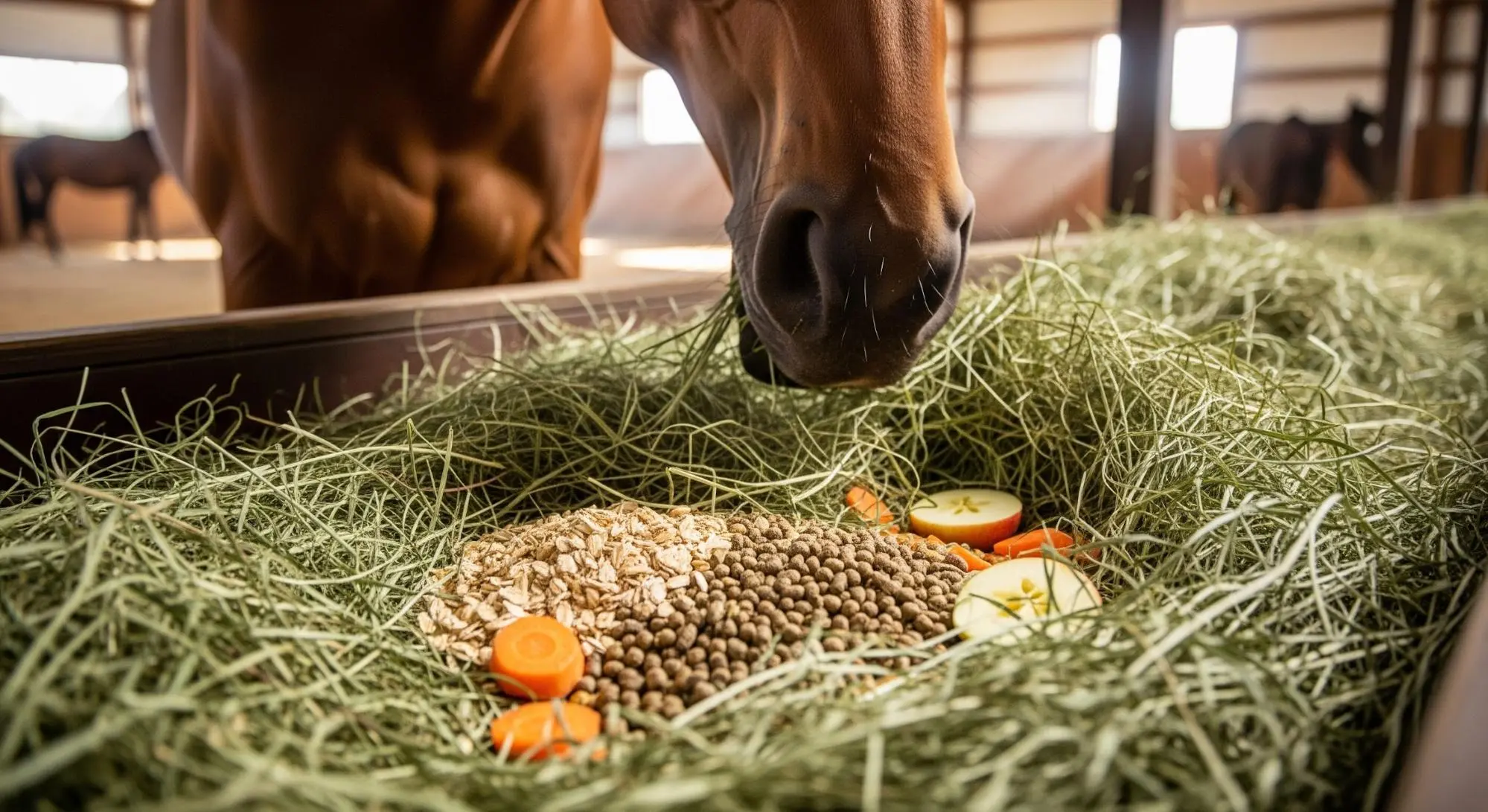
Proper nutrition is a very significant role of horse ownership. Knowledge of what to feed the horses keeps them in optimum health condition, energy and life span. Each horse has its own dietary needs regarding their ages, activity and the health conditions. Over the years of experience in the breeding facilities, competition stables, and amateur horse owners, I have observed the ways in which appropriate nutrition has changed equine health and performance.
The Foundation of Equine Diet
The horse digestive system has developed over millions of years and is adapted to digest fibrous plant material. However, horses are sensitive to certain substances, which is why awareness of foods toxic to horses is essential in maintaining gut health and preventing colic or other digestive disorders. Their instinctive grazing habit of eating small portions of food at a time is the reason why the debate on what constitutes the best food to give horses should start with the realization of their biological needs. Studies conducted by equine veterinary colleges prove that the equine digestive tract is oriented to receive constant supply of forage, and thus fiber is the key to a healthy feeding program.
The horses have a relatively small size to the body size and have a stomach capacity of approximately 2-4 gallons. This physical characteristic causes them to digest food in the best way when given several little meals as opposed to a few big meals. Cecum and large intestine act in collaboration to ferment fibre and extract nutrients as well as generate energy out of plant materials which are not absorbed by most other animals.
Essential Components of Horse Feed
Forage: The Primary Nutrition Source
It should be 50-100 percent of the diet of a horse basing it on their workload and nutritional needs. The basis of digestive well-being and supply of necessary nutrients is offered by grass hay horses consume. Good forage provides the protein, vitamins and minerals needed and the fiber required to maintain good gut working condition.
Most equine nutritionists at major veterinary schools advise that the horse diet must be of about 1.5-2 percent of body weight per day of forage. In the case of a 1,000-pound horse, it is 15-20 pounds of hay per day to ensure that the digestive system works in a healthy state and to avoid such problems as colic or ulcers. The literature written in equine veterinary journals has shown consistently that sufficient consumption of forage would decrease the likelihood of gastric ulcers since appropriate levels of pH can be maintained in the stomach.
Optimum horse hay is different in terms of personal needs. Timothy hay is moderate in protein and is suitable to most of the adult horses at maintenance. The alfalfa hay horses are superior in protein and calcium hence good in growing youngsters, mares that are lactating and those that have higher nutritional needs like performance horses. Mixed grass varieties, orchard grass and bermuda grass are also very nutritious when they are well cured and stored.
Grain and Concentrates

Most horses are enhanced with other sources of energy despite the fact that forage is the foundation. The grain-based horse feed is not the alternative to the forage but is supposed to be combined with it. The horse also requires additional supplies of calories due to the work in performing the activities and the necessity of growth, pregnancy or lactation. Concentrates are secondary sources of calories as well.
Sweet 11 All-Grain
Horse oats is a very old product. They are readily digestible and they contain more fiber compared to most of the other grains hence they are gentle to the digestive system. Oats also contain good amounts of protein of about 10-12 percent yet it does not lead to over heating as it does to other grains. The balance of nutrition in the products like Sweet 11 All-Grain is to keep the horses that are either engaged in physical activities and those that are not with enough intensity to ensure that the digestive system is not affected by the large quantities of the energy.
Performance Horse 12/6 and Extruded Horse Nuggets 13/8
Pelleted horse feed mixes various ingredients into uniform sized bits which ensures the uniform nutrition of each bite. These processed feeds usually consist of minerals, vitamins and balanced protein sources. As per the standard of manufacture of feed, pellet feed options both minimize waste and provide an opportunity to control portions accurately. The Performance Horse 12/6 pellets are high energy feeds used in mature horse keeping whereas the Extruded Horse Nuggets 13/8 is a high energy feed that is used in the training and showing of competition horses.
Sweet feed horses like to mix grains with molasses to make a palatable treat that most horses will be content with. The molasses helps in dust reduction and also it is also used to give flavor but a veterinarian can advise on the level of sugar consumption by horses with metabolic issues.
Nutritional Requirements by Horse Type
The nutritional requirements of different horses differ depending on life stage and the level of activity. Knowledge of these differences assists owners in making sound decisions based on veterinary science on feeding.
Table 1: Daily Nutritional Requirements by Horse Category
| Horse Type | Forage (% of diet) | Protein Need | Energy Level | Common Feed Options |
| Maintenance Adult | 100% | 8-10% | Low | Grass hay, minimal grain |
| Light Work | 75-100% | 10% | Moderate | Grass hay, small grain portion |
| Moderate Work | 60-75% | 10-12% | Moderate-High | Mixed hay, balanced concentrate |
| Heavy Work | 50-60% | 12-14% | High | Alfalfa/grass mix, performance feed |
| Growing Horse | 50-75% | 14-16% | High | Alfalfa hay, growth formula feed |
| Pregnant Mare | 75-100% | 10-11% | Moderate | Quality hay, mare/foal feed |
| Lactating Mare | 50-75% | 14-16% | Very High | Alfalfa hay, high-quality concentrate |
Natural Grazing and Pasture Management
Horses that feed on pasture grass in their natural surroundings have perfect feeds when they come across them. Grass is fresh, and it has moisture, vitamins, and nutrients that ensure holistic well being. During growing seasons, quality pasture is able to supply most or all nutritional needs of horses either at maintenance or in light work.
According to agricultural extension programs, horses grazing on good pasture have been found to consume 20–30 pounds of fresh grass per day, which is sufficient to meet the nutritional needs of most horses without additional supplementation. However, pasture quality can vary widely based on season, climate, and management practices. Research from land-grant universities shows that well-managed pasture plays a critical role in overall animal feed efficiency, with rotating grazing systems and regular soil testing significantly improving the nutritional value available to grazing horses.
Rotation grazing maintains the health of pastures and provides them with regular forage. Subdivision of pastures and frequent rotation of the horses will prevent overgrazing and give the grass an opportunity to rest. This type of management ensures that the nutrition is not lost and that there is minimal exposure to parasites.
Best Horse Feed Selection Guide
Selection of the right feed is based on various factors. An all-inclusive horse feeding guide takes into account the age, weight, activity level, health conditions and availability of quality forage to the particular animal.
Table 2: Feed Type Comparison and Benefits
| Feed Type | Protein Content | Primary Benefits | Best For | Considerations |
| Timothy Hay | 8-10% | Moderate calories, low calcium | Maintenance horses, metabolic issues | Lower protein than legume hay |
| Alfalfa Hay | 15-20% | High protein, high calcium | Performance, growth, lactation | May be too rich for easy keepers |
| Oats | 10-12% | Digestible energy, higher fiber | All horses, especially digestive-sensitive | Lower energy density than corn |
| Pelleted Feed | Varies | Consistent nutrition, reduced waste | All horses, especially seniors | Ensure adequate water intake |
| Sweet Feed | 10-14% | Palatability, energy | Horses needing weight gain | Monitor sugar for metabolic horses |
| Grass Pasture | Varies | Natural nutrition, mental stimulation | All horses when available | Quality varies by season |
Creating a Balanced Feeding Program
Coming up with a good feeding strategy involves first evaluating the present status and needs of your horse. To know whether your horse is required to gain weight, lose weight or retain or gain weight, veterinarians propose body condition scoring on the bracket of 1-9.

Quality Blend Classic 12/6 and Quality Blend Performance 11/10
It is the quality and not the quantity. Properly stored hay that is free of dust has more nutrients compared to deteriorated or rotting forage. To avoid moisture loss and contamination of grain and concentrates, it is advised that it be stored in hermetically sealed containers and kept out of the way of moisture and pests. Balanced textured feeds such as Quality Blend Classic 12/6 and Quality Blend Performance 11/10 are mixtures that contain sure sources of digestible fiber with an increased ratio of fat to suit the needs of competition horses to ensure full nutrition requirement.
The availability of water is also important as feed choice. In normal conditions according to equine veterinary research, horses consume 5-10 gallons of water per day, and when the weather is hot or when the horse is working hard, the animal consumes more water. Fresh water is also to be kept clean and fresh to aid in digestion and overall body health.
Feeding Schedule and Practices
Horses are creatures of routine. This is achieved by setting up a routine feeding schedule to normalize digestive activity and decrease stress. Cutting down on the daily rations into smaller meals is a simulation of the natural grazing behavior and enhances digestive effectiveness.
The addition of new feeds over a 7-10 days period would avoid digestive disturbances. Research in veterinary medicine indicates that an abrupt change in diet may lead to a break in the microbial population in the hindgut which may lead to colic or other problems. The digestive system adapts easily by adding more new feed to the known feed.
Special Considerations for Optimal Health
Southern Supreme Senior
Older horses may have to be fed differently. Tooth problems could require soaked feeds or entire pelleted diets, which is easier to chew. Geriatric equine studies reveal that older horses might require tolerance to protein and calorie to keep the body in shape. Southern Supreme Senior has softer, easier-to-chew choices that may be fed with forage or serve as a sole ration to the horses which cannot eat hay.
Southern Supreme Race Formula 14/10
The energy requirements of performance horses are higher than normal due to the maintenance diets. The horses at work receive more concentrates and better quality forage to sustain their activity without loss of muscle mass or recovery. Southern Supreme Race Formula 14/10 is high energy nutrition intended to provide performance nutritional benefits to young performance horses, brood mares and equine athletes requiring competitive benefits.
Quality Blend 12/12 Low Starch Performer
Horses which have metabolic conditions need to be feed managed carefully. Veterinary endocrinologists suggest low-starch, low-sugar diets to allow horses with insulin resistance or equine metabolic syndrome to have normal glucose levels and also get a sufficient nutrition. Quality Blend 12/12 Low Starch Performer is a high fat and high-fiber nutrition that has lower non-structure carbohydrates that give the performance and stamina without hyperactivity.
Southern Supreme Mare & Foal 16/7
In breeding activities, Southern Supreme mare and foal 16/7 will guarantee appropriate skeletal maturation and fulfill vitamin and mineral needs of weanling, yearling, and broodmares during the reproduction process.
Monitoring and Adjusting
Frequent evaluation is a critical component of your feeding program to guarantee the needs of your horse. The weight tape measurements monthly, body condition scoring, and energy level observation can be helpful to receive feedback regarding the dietary adequacy.
Seasonal changes ensure all-year-round nutrition. In winter, horses may require extra calories to keep the body heat, whereas in summer, the availability of pasture may decrease the need to use concentrates.
Working with Equine Professionals
Professional advice is useful in the creation of an ideal nutrition plan. Equine veterinarians will be able to evaluate the needs of your horse in particular, determine the possible health issues, and prescribe suitable food policies. Accredited equine nutritionist offers professional assistance in feeding formulation and diet.
Routine checkups at the veterinary hospital such as dental checkups and blood tests assist in detecting nutritional deficiency or metabolic disorders at early stages before they develop into severe complications. Nutritional consultation is becoming a common service in most veterinary practices as a form of all-inclusive equine care.
Conclusion
Choosing the best food for horses depends on the individual needs of each animal, including age, workload, and overall health. A strong equine nutrition plan starts with high-quality forage and is supported by concentrates when additional energy or nutrients are needed. Sourcing consistent, well-balanced feeds from reliable horse feed wholesalers helps ensure nutritional quality, regular supply, and feeding consistency. Along with proper feed selection, maintaining structured feeding schedules and closely monitoring your horse’s condition are key to long-term health.
Combining research-backed feeding practices, premium-grade feed ingredients, and guidance from experienced veterinarians creates a well-rounded approach to horse nutrition. Whether caring for a single pleasure horse or managing a performance stable, working with trusted horse feed wholesalers allows you to provide dependable nutrition that supports peak performance, overall wellbeing, and lasting health.
FAQs
1. What is the best daily food for a horse to stay healthy?
The best daily food for horses is high-quality forage like grass or hay, which should form the foundation of their diet. For horses needing extra energy, a balanced concentrate or grain can be added based on their workload and condition. A healthy feeding plan always includes consistent water and proper portion control.
2. How much hay should a horse eat per day?
A horse should typically eat about 1.5–2% of its body weight in hay daily to maintain proper digestion and energy. For a 1,000-pound horse, that means around 15–20 pounds of hay each day. This amount supports gut health and helps prevent issues like colic or ulcers.
3. Can horses eat only pasture grass?
Yes, horses can eat only pasture grass if it is high quality and available throughout the day. Fresh pasture can provide most of the required nutrients, especially for maintenance or light work horses. However, pasture quality changes seasonally, so supplements may be needed in winter or during heavy work.
4. What is the best hay for horses?
Timothy hay is ideal for most adult horses because it provides moderate protein and calories and supports healthy digestion. Alfalfa hay is richer in protein and calcium, making it better for growing, lactating, or performance horses. Always choose hay that is clean, dust-free, and properly stored.
5. Do horses need grain every day?
Not every horse needs grain daily; it depends on their age, workload, and body condition. Horses in heavy work, growth, or lactation may require grain or concentrates to meet higher energy demands. For many horses, grain is only needed as a supplement, not the main diet.
6. What type of grain is safest for horses?
Oats are one of the safest grains because they are high in fiber and easier to digest, making them gentle on the stomach. They provide steady energy without causing excessive excitement or digestive upset. Oats are especially suitable for horses with sensitive digestion or moderate workload.
7. How should I feed a horse to prevent digestive problems?
Feed smaller meals multiple times a day to mimic natural grazing and support efficient digestion. Sudden changes in diet should be avoided, and new feeds should be introduced gradually over 7–10 days. Consistency in feeding time and quality forage helps prevent colic and ulcers.
8. How important is water for horses?
Water is essential, and horses should have clean, fresh water available at all times to support digestion and overall health. Most horses drink 5–10 gallons daily, and intake increases in hot weather or during heavy exercise. Dehydration can lead to serious digestive issues and reduced performance.
9. What should senior horses eat?
Senior horses often need softer feeds or pelleted diets because dental issues can make chewing hay difficult. They may also require more protein and calories to maintain body condition and muscle mass. Feeding them a balanced, easy-to-digest diet helps support their aging digestive system.
10. Can horses with metabolic issues eat normal feed?
Horses with metabolic problems should avoid high-starch and high-sugar feeds, which can worsen insulin resistance. They do better on high-fiber, low-carb diets designed for stability and steady energy. A veterinarian or nutritionist should guide feed choices to keep blood sugar levels stable.