 Dogs & Cats
 Cattle
 Equine
 Poultry
 Swine
Swine Goats & Sheep
 Game Bird
 Gamecock
 Deer & Wildlife
 Fish & Pond
 Rabbit
 Specialty
 Ingredients & Bulk
 Special Order
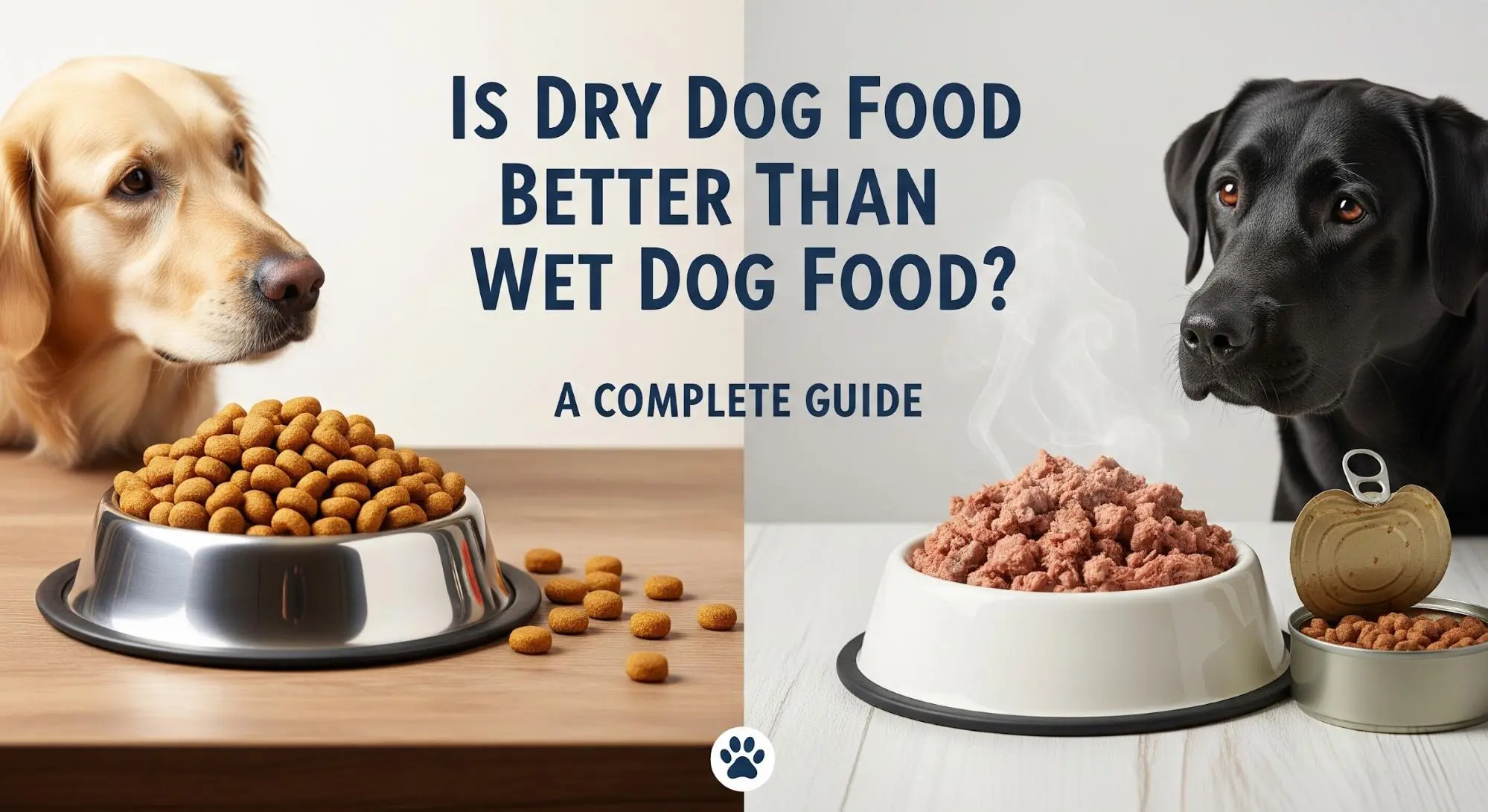
It may be difficult to decide on the appropriate food that you should feed your furry friend. Visit any aisle of a pet store and you will see shelves that are filled with various choices. The biggest question the dog owners ask is: is dry or wet dog food better? It is not so simple, it is either one or the other. In a manner easy to digest, let us dissect it.
Understanding Dry vs Wet Dog Food
First of all, before we plunge in on which of the two options can be more appropriate to your pup, it is worth understanding what makes these two types of food unique.
Kibble is dry dog food (also known as dry dog food) which is usually crunchy and about 10 percent of moisture. It is packaged in bags and can be left in the bowl of the dog hours without getting spoiled.
Wet dog food is packaged in cans or pouches and is approximately 75 per cent moisture. It is soft, smells intensive, and should be refrigerated once opened.
Benefits of Dry Dog Food
Dry kibble has been a popular choice for dog owners for decades. Here’s why many people prefer it:
Convenience and Cost: Dry food is easier to store and usually costs less than wet food. You can buy it in bulk, and it won’t go bad quickly. This makes it perfect for busy families or those feeding multiple dogs.
Dental Health: The crunchy texture can help reduce plaque and tartar buildup on your dog’s teeth. Think of it like brushing your teeth with a crunchy apple. According to the American Kennel Club, the mechanical action of chewing kibble can contribute to better oral hygiene.
Easier to Measure: When you’re training your dog, dry food makes it simple to count out exact portions for treats and rewards. You can carry a few pieces in your pocket without making a mess.
Longer Shelf Life: Once opened, a bag of dry dog food can last for weeks when stored properly. This means less waste and fewer trips to the store.
Benefits of Wet Dog Food
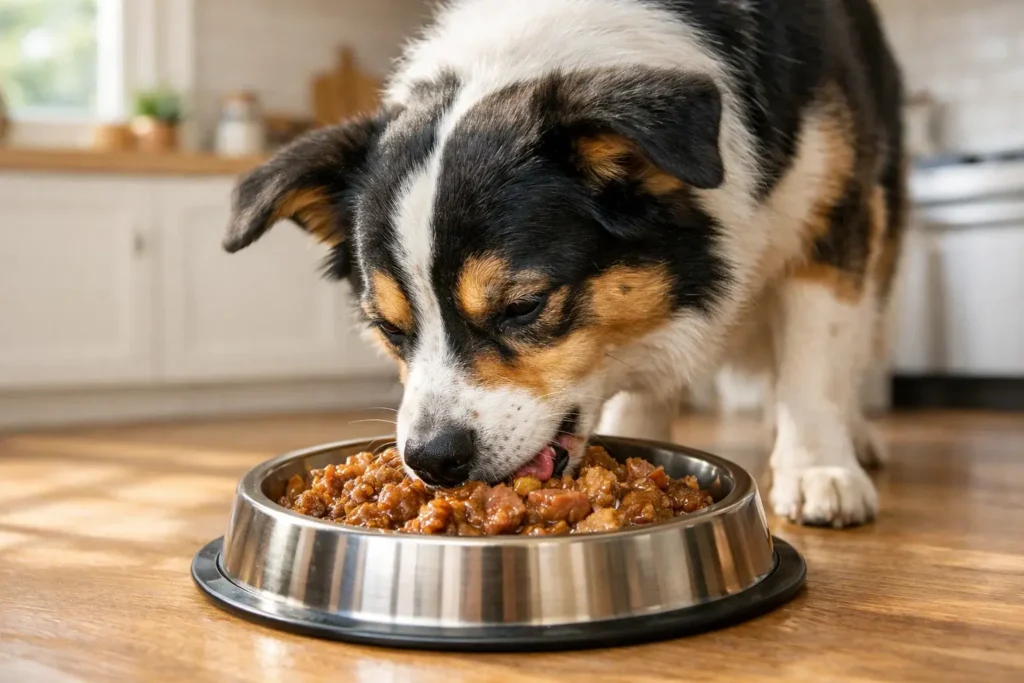
Wet food also possesses its own advantages which make it a fantastic choice to a large number of dogs:
Increased Moisture Content: Dogs require water to be healthy and wet food keeps them hydrated. It is particularly useful in the case of dogs that do not drink much water or have kidney problems. It can also help when you need to feed a dog with hypothyroidism, as proper hydration supports overall metabolic function.
More appetizing Taste and Smell: Wet food is unattractive to the picky ones because of the strong smell and tender nature. When your dog sniffs up his kibble, wet food would be a remedy. This is why many owners switch to wet food when they feel dogs get tired of the same food, as it offers a stronger smell and softer texture.
Easy to Eat: Senior dogs who have lost their teeth or puppies who are yet to learn how to chew find wet food significantly easier to eat. It is soothing to fragile mouths and more digestible.
Healthier: Since wet food has more water in it, your dog is able to eat more and still consume less calories. This will make them feel satisfied without excessive consumption of food.
Which is More Nutritious: Wet or Dry Dog Food?
The reality is as follows: wet and dry dog food can be equally nutritious provided that they are manufactured by reputable animal feed producers. It is important to evaluate the ingredients and nutrition profile, and not only the form.
| Nutritional Factor | Dry Dog Food | Wet Dog Food |
| Protein Content | 18-32% (concentrated) | 4-10% (appears lower due to moisture) |
| Moisture | 10% | 75% |
| Calories per Cup | 300-500 calories | 120-200 calories |
| Shelf Life (Opened) | 4-6 weeks | 2-3 days (refrigerated) |
Important Fact: When comparing nutrition labels, remember that wet food looks like it has less protein and fat, but that’s only because of the water content. According to PetMD’s nutrition guidelines, when you calculate on a dry matter basis (removing the water), the nutritional values are often very similar.
Both types must meet standards set by organizations like AAFCO (Association of American Feed Control Officials) to be labeled as “complete and balanced.” This means they contain all the nutrients your dog needs to thrive.
Comparison: Dry vs Wet Dog Food
| Feature | Dry Dog Food | Wet Dog Food | Winner |
| Cost | Lower | Higher | Dry |
| Convenience | Easy to store and serve | Requires refrigeration after opening | Dry |
| Hydration | Low moisture | High moisture | Wet |
| Palatability | Less aromatic | Highly appealing smell and taste | Wet |
| Dental Benefits | Helps clean teeth | No dental benefits | Dry |
| Digestibility | May be harder for some dogs | Easier to digest | Wet |
| Portion Control | Easy to measure | Can be messy | Dry |
| Best For | Active dogs, dental health, budget | Picky eaters, seniors, hydration | Depends on your dog |
So, Is Dry Dog Food Better Than Wet Dog Food?
The honest answer is: it depends on your dog’s individual needs. Neither is universally “better.” Many veterinarians and animal nutritionists actually recommend a combination of both.
You might choose dry food if:
- You have an active, healthy adult dog
- You’re working on a budget
- You want to support dental health
- You need easy storage and portability
You might choose wet food if:
- Your dog is a picky eater
- Your dog needs more hydration
- Your dog is a senior with dental issues
- Your dog needs help with weight management
The best option for many dogs: Mix both! Combining dry and wet food gives you the benefits of both types. You can serve kibble with a spoonful of wet food on top, or alternate between the two at different meals.
What About Training Your Dog?
When you are just getting down to training your puppy or adult dog, dry food is a great choice of training treat. Here’s why:
Small pieces of kibble are:
- Small and fits in your pocket or treatment pouch.
- Not messy or sticky
- Easy to use as a reward of good behavior.
Not so likely to upset the stomach of your dog when it is administered so often.
You can use the regular kibble of your dog as rewards when training it. This helps them to avoid consuming too much excessive calories and at the same time, get excited about what they are having.
Choosing Quality Food from Animal Feed Manufacturers
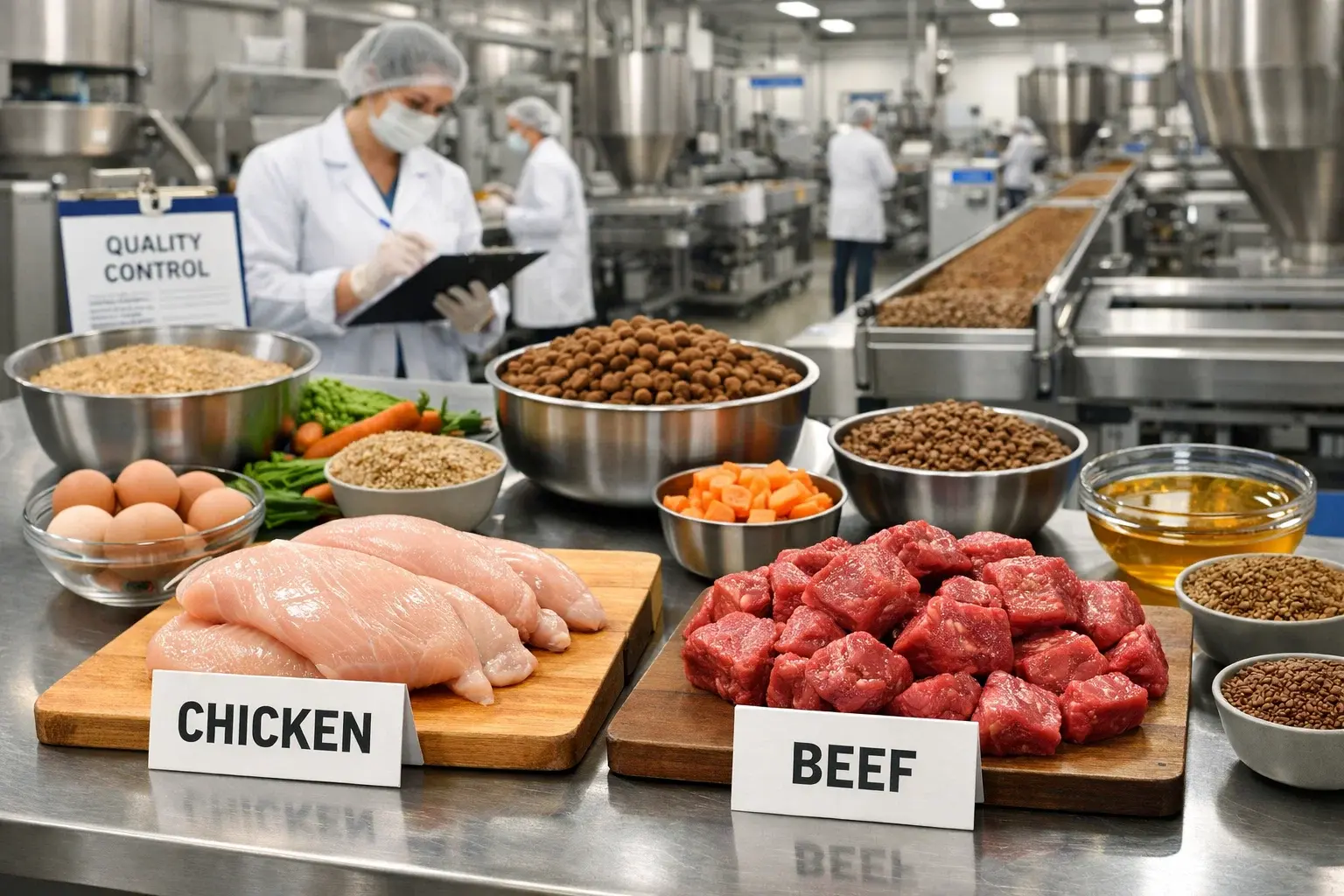
Whether you choose wet, dry, or a combination, quality matters. Reputable animal feed manufacturers ensure their products meet strict nutritional standards. Look for:
- Named protein sources (like “chicken” or “beef,” not just “meat”)
- Whole ingredients you recognize
- AAFCO approval statements on the label
- Trusted brand names with good manufacturing practices
Reading the ingredient list is like reading a recipe. The first few ingredients matter most because they make up the bulk of the food.
Genuine Facts You Should Know
Fact 1: Dogs on dry food diets may need to drink more water to stay properly hydrated. The Veterinary Centers of America recommends ensuring fresh water is always available, especially for dogs eating primarily dry kibble.
Fact 2: Not all wet food is more expensive than per serving. When you take into consideration the concentrated calories in dry food and the percentage of water in wet food, the ultimate cost per calorie used might be not very different between the good brands.
Making the Switch
When you are changing the food of your dog to wet or dry or the other, you should change it gradually over 7-10 days. Add the new food in small portions as you gradually add the old food in large portions. This prevents the upset of the stomach and gives your dog time to adapt.
Conclusion
Then, is dry dog food superior to wet dog food? It is a matter of you and your puppy. Each has distinct advantages and a combination of the two provides the home of various successful dogs. To understand whether you are making the right choice, pay attention to the levels of energy of your dog, the condition of his or her coat, his or her digestion, and its general happiness.
The most important is deciding on high quality food of reputable animal feed manufacturers that satisfy your needs as a dog. Having a wiggly puppy, a spirited adult, or a calm elderly, the appropriate nutrition will assist them to live their best life.
Mid South Feeds is producing quality dog food that is health conscious and has been created keeping your pet in mind. We are asking all distributors of dog food who are interested in having a dependable company that would promise quality and nutritional superiority to join Mid South Feeds. Collectively, we will be able to assist more dogs in the nation to consume healthy and well-balanced meals that will benefit them.
Also, do not forget to consult your veterinarian in case of doubt. They will be able to make specialized recommendations depending on your age, breed, level of activity and health status of your dog. Your dog will be relying on you to make the best decisions regarding their health and well-being!
FAQs
1. Are wet and dry dog foods equally nutritious?
Yes, both can be equally nutritious when made by reputable manufacturers. The key is checking the ingredients and nutritional profile rather than the format. Both must meet AAFCO standards to be labeled “complete and balanced.”
2. Can I mix dry and wet dog food together?
Absolutely! Mixing both types gives you the benefits of each—hydration from wet food and dental benefits from dry food. You can serve kibble with wet food on top or alternate between the two at different meals.
3. How should I switch my dog from wet to dry food or vice versa?
Make the transition gradually over 7-10 days by mixing increasing amounts of new food with decreasing amounts of old food. This slow approach helps prevent stomach upset and allows your dog’s digestive system to adjust properly.
4. Is dry food better for my dog’s teeth?
Yes, the crunchy texture of dry kibble can help reduce plaque and tartar buildup through mechanical action. However, it shouldn’t replace regular dental care like brushing or professional cleanings recommended by your veterinarian.
5. Why does wet food appear to have less protein than dry food?
Wet food contains about 75% moisture, which makes protein percentages appear lower on labels. When calculated on a dry matter basis (removing water content), the nutritional values are often very similar to dry food.
6. Which type of food is better for senior dogs?
Wet food is often better for senior dogs, especially those with dental issues or missing teeth. The soft texture is easier to chew and digest, and the higher moisture content helps with hydration, which is important for aging dogs.
7. Can I use dry dog food as training treats?
Yes, dry kibble works wonderfully as training treats! Small pieces are easy to carry, not messy, and perfect for quick rewards. Using regular kibble prevents overfeeding extra calories during training sessions.