 Dogs & Cats
 Cattle
 Equine
 Poultry
 Swine
Swine Goats & Sheep
 Game Bird
 Gamecock
 Deer & Wildlife
 Fish & Pond
 Rabbit
 Specialty
 Ingredients & Bulk
 Special Order

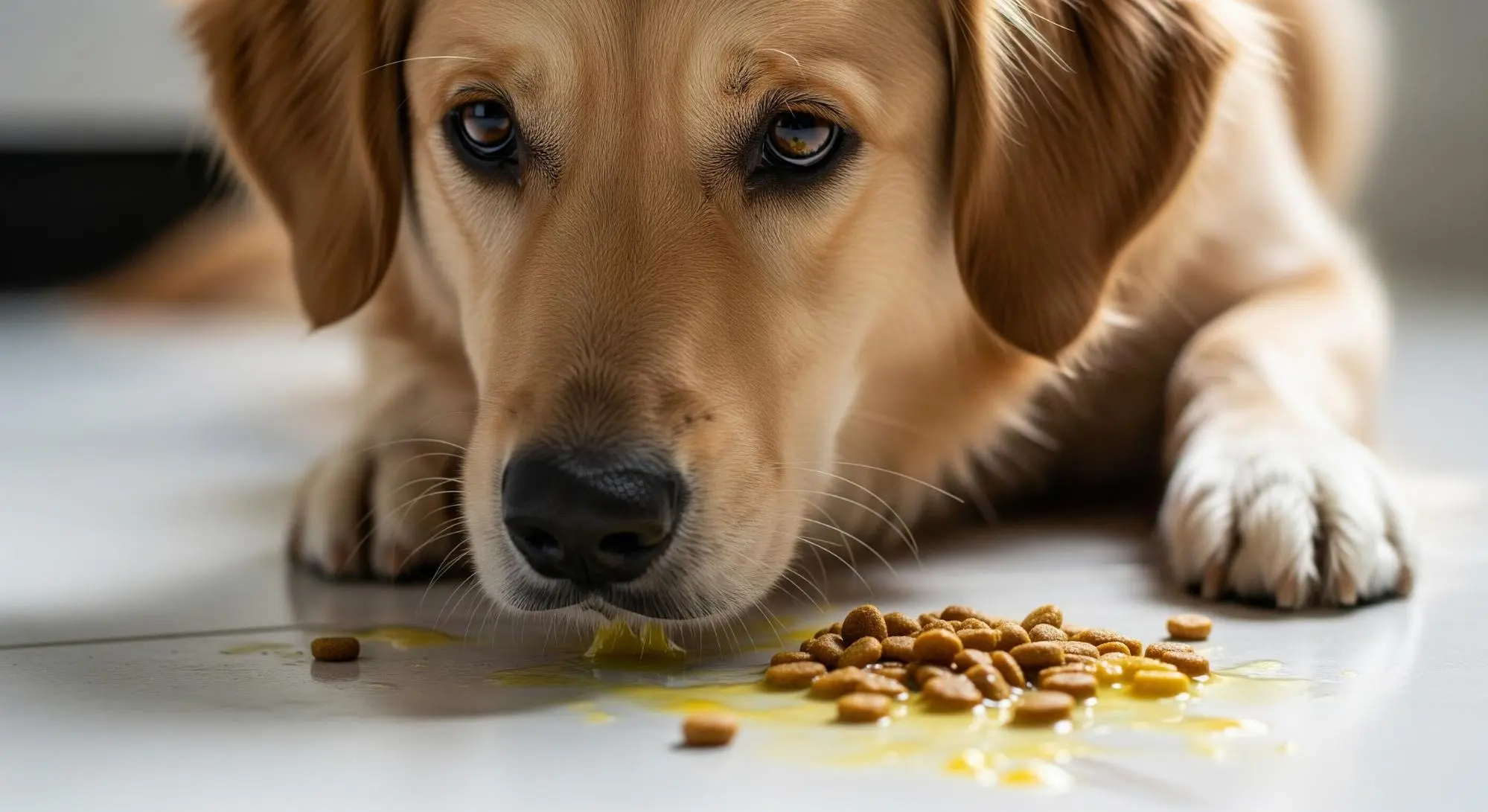
Seeing your furry friend bring up their food can be scary and confusing. If you’ve noticed your dog throwing up undigested food, you’re not alone. Many pet parents deal with this issue, and understanding why it happens is the first step to helping your pup feel better.
Understanding What’s Really Happening
Before we dive into the reasons why my dog is throwing up undigested food, it’s important to know that not all “throwing up” is the same. There’s a big difference between vomiting and something called regurgitation.
Dog Regurgitation vs Vomiting: What’s the Difference?
Many people think these terms mean the same thing, but they’re actually quite different. Knowing the difference helps you explain what’s happening to your vet and figure out the right solution.
| Regurgitation | Vomiting |
| Food comes up easily, almost like a gentle spit-up | Involves active heaving and stomach contractions |
| Food looks exactly like it did when eaten (undigested) | Food is partially digested and mixed with stomach fluids |
| Happens shortly after eating (within minutes) | Can happen hours after eating |
| No warning signs beforehand | Dog may drool, lick lips, or act restless first |
| Comes from the esophagus (food pipe) | Comes from the stomach |
According to research from VCA Animal Hospitals, regurgitation is a passive process where food never actually reaches the stomach, while vomiting is an active expulsion of stomach contents.
Normal Causes of Dog vomiting unfertilized kibble.
Now that you realize the dissimilarity, we would like to investigate the possible reasons as to why your dog is raising his food. The following are the most frequent reasons:
- Eating Too Fast

This is likely to be the first cause why dogs regurgitate uneaten food. Dogs eat a lot of air as they slide their kibble down their throats when they are in a frenzy. This may result in the food returning through the throat.
Easy Remedy: Wrap a sluggish feeder bowl. Their special bowls are put together in the form of ridges and patterns that ensure that your dog will exert a little more effort to reach every bit of kibble. It makes lunchtime a game, which makes them automatically slow down.
- Eating Too Much at Once
There are dogs with bigger eyes than stomachs. When they eat too much, their body is not able to process this amount of food at a single time, and it starts to rise.
Easy Remedy: Divide the food that you feed your dog in mini meals. Rather than eating one or two large meals every day, have three or four small meals.
- Food Sensitivity/Allergies.
As human beings, dogs may also be sensitive to some food ingredients. Usual offenders are beef, dairy, wheat and chicken. In some cases, issues may also arise when a dog eating raw food is not properly transitioned or the diet is unbalanced. Certain commercial dog foods are made out of the live feed stock and this may contain corn, soy and grain byproducts that may not be compatible with the digestive systems of all dogs.
Easy Solution: Collaborate with your veterinarian and attempt to do an elimination diet. This will involve changing to a food with a few ingredients and observing whether the problem has been stopped. The ingots of live feed stock are gummy, look for dog food with whole identifiable ingredients as opposed to many ingredients that are high in live feed stock.
- Stress or Excitement
Dogs experience nervous, excited, and anxious stomachs. This can be caused by such big changes as the change of residence or the arrival of a new family member.
Easy Solution: Develop a peaceful, noisy feeding place. Maintain a regular schedule of eating, and allow your dog to eat devoid of any distractions.
- Exercise Right After Eating
A full stomach makes one run around in trouble. When the dogs play vigorously immediately after eating the jostling is capable of returning the food to the stomach.
Easy Solution: The waiting period to playtime or walks should be at least 30 minutes to an hour after meals.
When Your Dog is Throwing Up Bile and Undigested Food
If you notice yellow or greenish-yellow liquid along with the undigested food, that’s bile. Bile is a digestive fluid made by the liver. When you see dog throwing up bile and undigested food together, it often means your dog’s stomach was empty for too long before eating, or they ate too fast on an empty stomach.
What to Do: Try giving a small snack before bedtime if your dog throws up bile in the morning. This keeps their stomach from being completely empty for too long.
Understanding Dog Digestive Problems
The canine digestive system is pretty amazing, but it can be sensitive. Here’s a quick look at how long digestion normally takes:
| Digestive Stage | Time Frame | What Happens |
| Mouth to Stomach | 8-10 seconds | Food travels down the esophagus |
| In the Stomach | 2-4 hours | Food mixes with digestive juices and acids |
| Small Intestine | 1-2 hours | Nutrients are absorbed into the bloodstream |
| Large Intestine | 12-24 hours | Water is absorbed; waste is formed |
| Total Process | 18-30 hours | From eating to elimination |
When dog digestive problems occur, any stage of this process can be disrupted. If food is coming back up undigested, it never made it past the stomach or esophagus stage.
Important Warning Signs: When to See a Vet Immediately
While occasional vomiting can be normal, certain signs mean you need to get to the vet right away:
- Your dog vomits multiple times in one day
- You see blood in the vomit (red or looks like coffee grounds)
- Your dog seems weak, lethargic, or in pain
- They won’t drink water or seem dehydrated
- Their belly looks bloated or feels hard
- The vomiting continues for more than 24 hours
- Your puppy is vomiting (puppies can get dehydrated very quickly)
Helpful Tips You Can Start Today

These are some real life things you can do immediately in order to take care of your dog:
Establish a Calm Dining Schedule: Take the same time and place to feed your dog every day. This lowers their stress level and it makes their digestive system understand when they are to expect food.
Use the Right Bowl: When your dog is too fast of a feeder, a slow feeder bowl or even a muffin tin (place kibble in each cup) will work miracles. Food may also be placed on a flat surface such as a baking sheet.
Keep Hydrated: fresh water should always be used, but do not drink huge quantities of water immediately after eating. This can also cause problems.
Journal Keeping: Record the time your dog vomited, what it ate and what it was doing prior to the vomiting. Patterns may assist in identifying the trigger to you and your vet.
Modification of Food: When you have to alter your dog foods, then you must change them gradually in a span of 7-10 days. Introduce the new food with a small quantity, and gradually add more and more of the new food.
Studies indicate that about 68 percent of dogs are digestively upset at a certain time of their lives, and eating too fast is one of the causes of digestive upset among healthy dogs. It is important to know the triggers of your dog so that you can prevent future outbursts.
Final Thoughts
Still, it does not have to be so complex to figure out why is my dog throwing up undigested food. Begin by noting its occurrence, in what manner and when. Is it regurgitation, or actual vomiting? After how many hours after meals or hours later? Does your dog appear to be happy and energetic otherwise?
In the majority of cases, the problem can be resolved by such simple interventions as a decrease in the pace of eating, by changing the amount of food or the environment in which we eat. But, when you are concerned or vomiting persists, then your pet comes to you in the form of your vet. They have the ability to perform tests that can be used to eliminate serious conditions and provide you with specialized recommendations to your particular pup.
Keep in mind that you are more familiar with your dog. Always follow your gut and when you are unsure, you should always ask the professional. Their furry friend is relying on you to make them feel their best, and with some little investigation and time, you will be able to figure out what is causing the issue and get them back to their happy and healthy selves.
FAQs
1. Why is my dog throwing up undigested food?
This usually happens due to eating too fast, consuming too much at once, or regurgitation where food comes back up from the esophagus before reaching the stomach. It can also be caused by food sensitivities, stress, or exercising immediately after meals. Most cases can be resolved with simple changes like using slow-feeder bowls or splitting meals into smaller portions.
2. What’s the difference between vomiting and regurgitation in dogs?
Regurgitation is a passive process where undigested food comes up easily from the esophagus within minutes of eating, with no warning signs. Vomiting involves active heaving and stomach contractions, produces partially digested food mixed with stomach fluids, and can occur hours after eating. Understanding this difference helps determine the right treatment approach.
3. When should I take my dog to the vet for throwing up?
Seek immediate veterinary care if your dog vomits multiple times in one day, has blood in vomit, appears weak or lethargic, won’t drink water, or has a bloated belly. Also contact your vet if vomiting continues for more than 24 hours. Puppies require urgent attention as they dehydrate very quickly.
4. How can I stop my dog from eating too fast?
Use a slow-feeder bowl with ridges and patterns that make your dog work harder to reach each piece of kibble. Alternatively, spread kibble on a flat surface like a baking sheet or use a muffin tin with food in each cup. These methods naturally slow down eating and reduce gulping air.
5. Why is my dog throwing up bile with undigested food?
Yellow or greenish-yellow bile appearing with undigested food typically means your dog’s stomach was empty for too long before eating. Try giving a small snack before bedtime to prevent morning bile vomiting. This keeps the stomach from being completely empty for extended periods.
6. Can food allergies cause my dog to throw up undigested food?
Yes, food sensitivities or allergies to ingredients like beef, dairy, wheat, chicken, corn, soy, or grain byproducts can cause vomiting. Work with your vet to try an elimination diet with limited ingredients to identify the trigger. Choose dog foods with whole, identifiable ingredients rather than those heavy in byproducts.
7. How long should I wait after my dog eats before exercise?
Wait at least 30 minutes to an hour after meals before allowing playtime, walks, or any vigorous exercise. Running around with a full stomach causes jostling that can bring food back up. This waiting period allows proper digestion to begin.
8. How often should I feed my dog to prevent vomiting?
Split your dog’s daily food into three or four smaller meals throughout the day instead of one or two large meals. Smaller, more frequent meals are easier for the digestive system to handle and prevent overeating. This approach also helps keep the stomach from being empty for too long.