 Dogs & Cats
 Cattle
 Equine
 Poultry
 Swine
Swine Goats & Sheep
 Game Bird
 Gamecock
 Deer & Wildlife
 Fish & Pond
 Rabbit
 Specialty
 Ingredients & Bulk
 Special Order

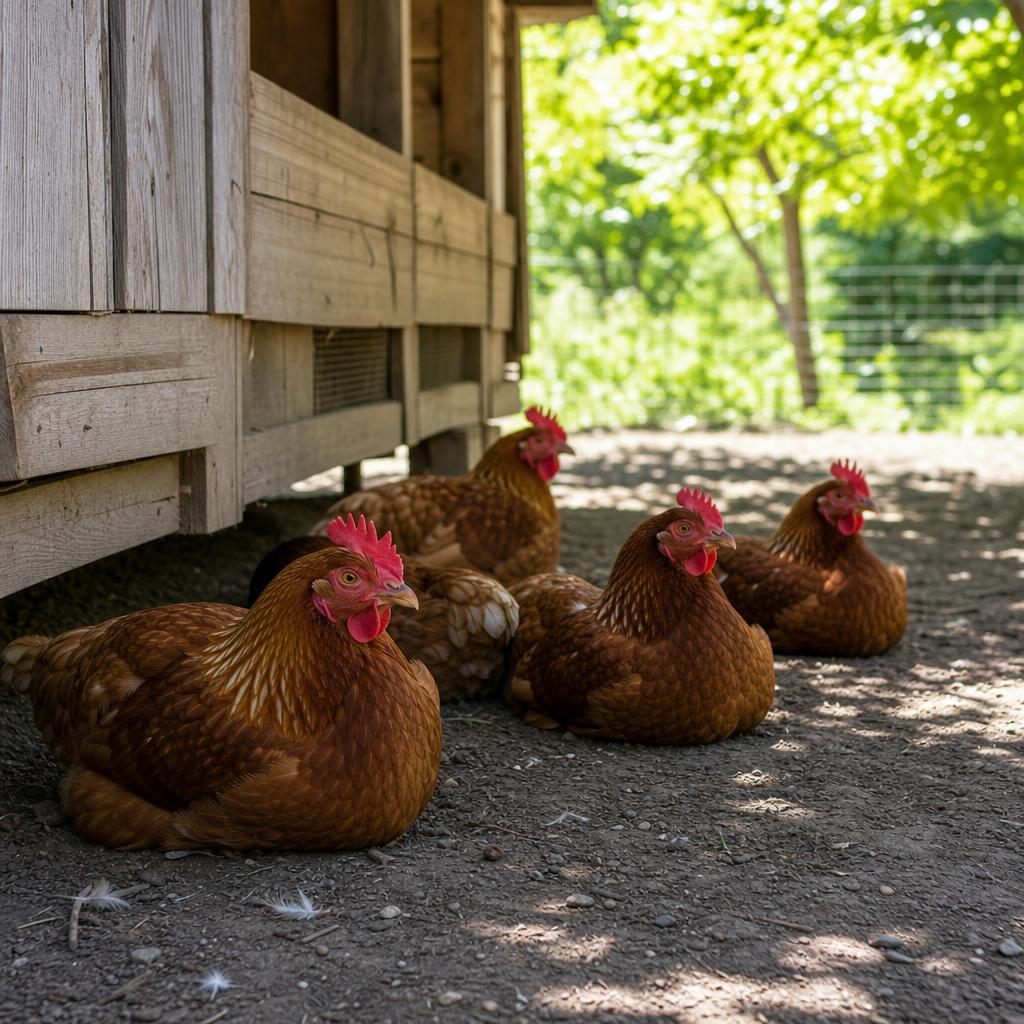
You head out to the coop expecting a basketful and come back with two eggs. Sound familiar? If you're asking why your chickens aren't laying eggs in summer, you're in good company — a summer slowdown is one of the most common questions we hear once the Southeast heat and humidity crank up. The good news is that most causes are manageable, and heat stress usually sits at the top of the list.
Egg production is a demanding job for a hen, and it's sensitive to just about everything going on around her — temperature, daylight, age, molt, mood, and especially nutrition. Let's walk through what's likely happening in your flock and, more importantly, what you can do about it.
Heat Stress Is the Usual Summer Culprit
Chickens don't sweat, and they wear a permanent down coat. When temperatures and humidity climb, a hen puts her energy into staying cool instead of making eggs. You'll see panting, wings held out from the body, pale combs, and hens hunkered in the shade with little interest in feed. When a bird eats less in the heat, she takes in less protein, calcium, and energy — and laying is the first thing she'll cut back.
A heat-related dip is often a normal response, not a sickness. But because heat stress can turn dangerous fast, it's worth taking seriously and getting ahead of.
How to Keep Your Flock Cool
Managing heat is the single most effective thing you can do to keep eggs coming in summer. Focus your effort here:
- Shade: Make sure there's deep, all-day shade — trees, a tarp, or the coop's shadow — so birds always have somewhere cooler to be.
- Cool, fresh water: Provide plenty of clean water in the shade, refreshed often. Extra waterers spread around the run keep hens drinking. Some folks add ice on the worst afternoons.
- Airflow: Open the coop up for cross-ventilation and add a fan if you can. Stale, hot coop air is miserable for birds.
- Electrolytes: A poultry electrolyte in the water during heat waves helps birds cope. Use as directed and always keep plain water available too.
- Feed in the cool hours: Birds eat more early morning and evening, so make sure feed is fresh and available when they're most willing to eat.
Nutrition: Protein, Calcium, and Fewer Treats
An eggshell is mostly calcium, and the egg inside is built from protein — so a hen simply can't lay well without the right nutrients coming in. When summer heat cuts her total intake, the quality of every bite matters more than ever. A complete, fortified layer feed is designed to deliver the protein, calcium, vitamins, and minerals a laying hen needs in the right balance.
Here's where a lot of backyard flocks go wrong: too many treats. Scratch grains, kitchen scraps, and cracked corn are tasty but low in protein and calcium, and corn especially generates body heat as it digests. When treats make up too much of the diet, they dilute the balanced feed and pull down egg production. A good rule of thumb is to keep treats to a small fraction of the daily intake and let the layer feed do the heavy lifting. Offering crushed oyster shell free-choice on the side lets hens top off calcium as they need it.
Daylight, Age, Molt, and Broodiness
Heat isn't the only thing at play in summer. Several natural factors can slow or stop laying:
- Daylight: Hens lay best with long days. After the summer solstice, day length gradually shortens, and some hens respond by easing off.
- Age: Production naturally declines as hens get older, and older birds may lay fewer, larger eggs. A flock a few years in simply won't match its first-year output.
- Molt: While most molting happens in fall, an early or stress-induced molt redirects a hen's resources into growing new feathers — which are mostly protein — and laying pauses until she's finished.
- Broodiness: A broody hen wants to sit and hatch, not lay. She'll park on the nest, puff up, and grumble at you. Until she snaps out of it, you won't get eggs from her.
When a Drop Is Normal vs. a Real Problem
A gradual, partial slowdown during a heat wave, or a predictable dip as days shorten or hens age, is usually nothing to worry about — it tends to bounce back as conditions improve. What deserves a closer look is a sudden, dramatic stop paired with other signs of trouble. Watch for:
- Lethargy, hunched posture, or birds isolating from the flock.
- Diarrhea, discharge, swelling, or dirty vents.
- Weight loss, pale combs, or obvious parasites like mites and lice.
- The whole flock crashing at once with no heat, molt, or age explanation.
If you're seeing sick birds along with the egg drop, don't guess — reach out to your veterinarian or local extension office. They can help you rule out disease, parasites, or a nutritional gap.
The takeaway for a slow summer coop: cool them down, keep clean water everywhere, lean on a balanced layer feed instead of treats, and remember that some slowdown this time of year is simply nature at work. Keep your hens comfortable and well fed, and the eggs will come back as the weather breaks. If you need help dialing in the right feed, you can find a Mid South Feeds dealer close to home.