 Dogs & Cats
 Cattle
 Equine
 Poultry
 Swine
Swine Goats & Sheep
 Game Bird
 Gamecock
 Deer & Wildlife
 Fish & Pond
 Rabbit
 Specialty
 Ingredients & Bulk
 Special Order

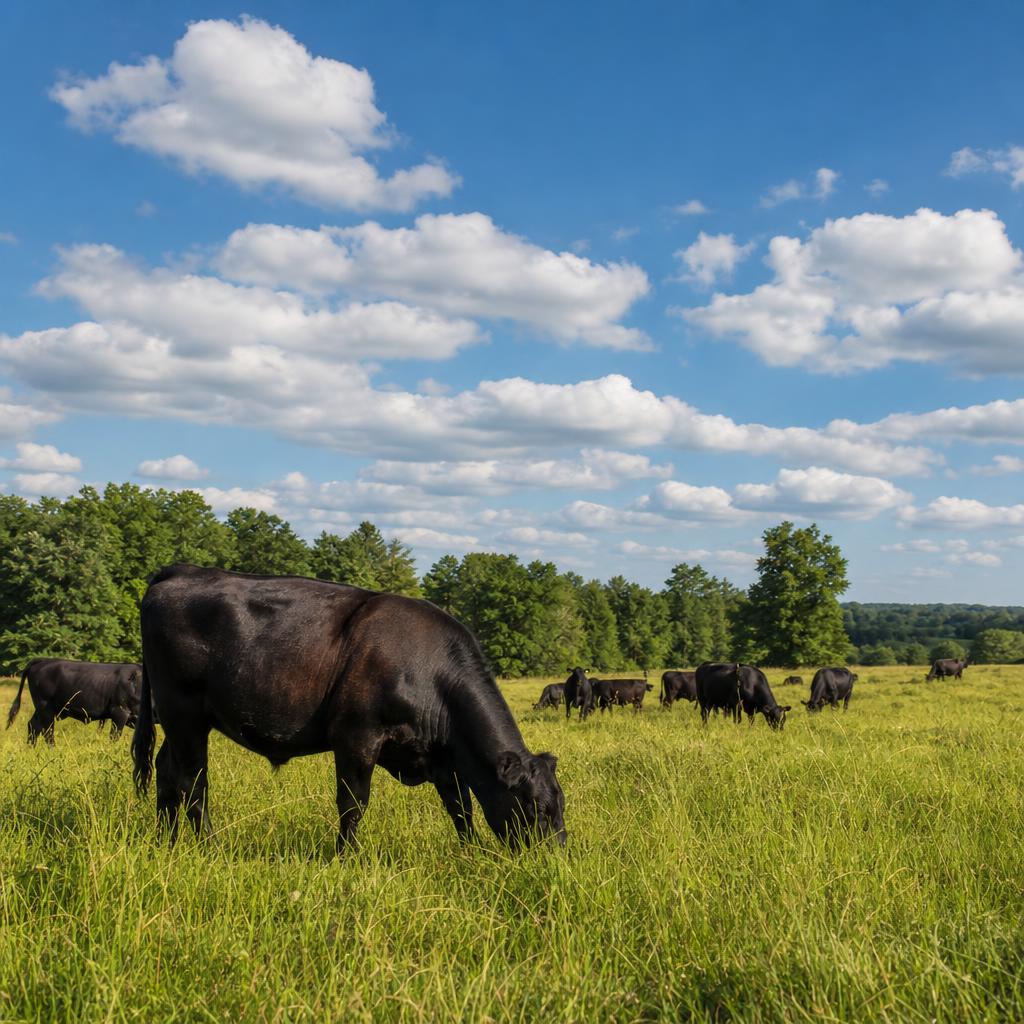
If you've watched a herd bunched up in a corner, tails swinging and heads down, you already know what flies cost you. Fly control for cattle isn't just about comfort — horn flies and face flies steal pounds of gain, cut into milk, spread disease like pinkeye, and wear cattle down all summer long. In the hot, humid Southeast, fly pressure builds early and hangs on late, which makes a solid plan worth every penny.
One of the easiest tools to work into your routine is feed-through fly control. Instead of chasing flies on the animal, you go after them where they breed — and you deliver the whole thing through the mineral your cattle are already eating. Let's break down how it works and how to get the most out of it.
What Horn and Face Flies Do to Your Herd
Horn flies are the small, persistent ones that cluster on the backs and bellies of cattle. They bite many times a day to feed on blood, and that constant irritation means cattle spend energy fighting flies instead of grazing and gaining. Heavy horn fly loads are a well-documented drag on weight gain and milk production.
Face flies don't bite, but they feed on the moisture around the eyes, nose, and muzzle — and in doing so they spread the bacteria behind pinkeye, one of the most frustrating summer problems in a cow-calf operation. Between the two, unchecked flies quietly erode your profit all season.
How Feed-Through Fly Control Works
Feed-through fly control uses an insect growth regulator, or IGR, delivered in a loose mineral or a tub. The cattle eat it, and it passes through into the manure. Here's the clever part: horn flies and face flies lay their eggs in fresh manure pats, and that's where their larvae develop. The IGR interrupts the fly life cycle right there, preventing larvae in treated manure from growing into biting, breeding adults.
Because it breaks the cycle at the source, feed-through control steadily lowers the number of new flies your pastures produce. It doesn't kill the adult flies already on your cattle or the ones that drift in from the neighbor's herd — which is exactly why timing and a combined approach matter so much.
Start Early and Keep Going Past Frost
Timing is where a lot of folks leave results on the table. To stop flies before their numbers explode, you want the IGR working before fly season really gets going:
- Start about 30 days before flies typically appear in your area — for much of the Southeast that means early spring, so the product is in the manure before the first flies start breeding.
- Feed it consistently all season long without gaps, since flies breed continuously through warm weather.
- Continue about 30 days past the first frost. Flies keep laying into fall, and running the program a little longer helps knock down the overwintering population that would otherwise greet you next spring.
Think of it as a season-long program, not a mid-summer rescue. Starting after flies are already thick means you're playing catch-up all year.
It Only Works If Cattle Eat It Consistently
A feed-through IGR is only as good as the intake. If cattle aren't eating the mineral at the right amount every day, the program falls apart. Consistent, targeted intake is the whole ballgame. To keep it steady:
- Provide enough covered mineral feeders so every animal gets access without crowding.
- Place feeders where cattle naturally travel — near water, shade, and loafing spots.
- Keep mineral fresh and dry; hard, weathered, or moldy mineral gets refused, especially in our humidity.
- Check consumption regularly and adjust feeder placement if intake runs high or low.
Pair the IGR with a quality free-choice cattle mineral and you're covering summer nutrition and fly control in one stop — a real convenience during the busy grazing season.
Combine It With Sprays, Rubs, and Traps
Feed-through control is a foundation, not a silver bullet. Because it won't touch adult flies or fresh arrivals from other herds, it works best as part of an integrated plan. Layer in a few more tools:
- Back rubbers and dust bags placed where cattle must pass — like gateways or water lanes — apply insecticide as they use them.
- Pour-ons and sprays knock down adult populations during peak pressure; rotate active ingredients over time to slow resistance.
- Insecticide ear tags can help, but pull them at season's end and rotate chemistries to keep them effective.
- Fly traps and good sanitation around barns, feedlots, and manure buildup reduce breeding sites you can't reach with feed-through.
Using several methods together attacks flies at multiple life stages and keeps any single tool from wearing out its welcome through resistance.
The practical takeaway: get an IGR mineral in front of your cattle about a month before flies show up, keep intake steady all summer and a bit past frost, and back it up with rubs, sprays, and traps for the adults. That combination is how you protect gains and cut down on pinkeye. If you'd like help matching a mineral program to your herd, you can find a Mid South Feeds dealer — we've been milling feed in Alma, Georgia since 1991, and we're glad to help you plan your fly season.