 Dogs & Cats
 Cattle
 Equine
 Poultry
 Swine
Swine Goats & Sheep
 Game Bird
 Gamecock
 Deer & Wildlife
 Fish & Pond
 Rabbit
 Specialty
 Ingredients & Bulk
 Special Order

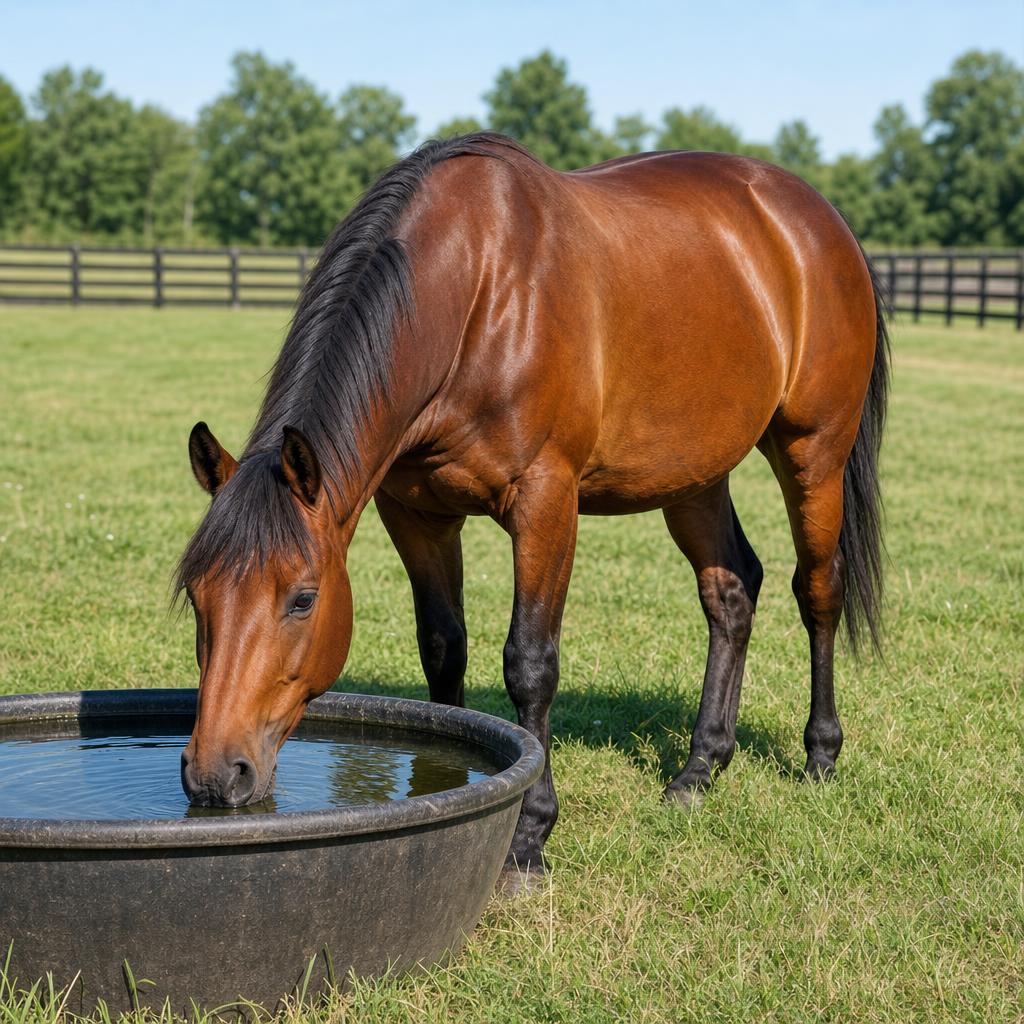
When the Southeast heat and humidity settle in, keeping your horse hydrated becomes a daily job. Electrolytes for horses are a big part of that picture, but they're also one of the most misunderstood supplements in the barn. Knowing what electrolytes actually do — and when your horse truly needs them versus when plain salt and clean water are plenty — will keep him drinking, sweating right, and working well through the worst of summer.
Horses are champion sweaters, and that's exactly the problem. A working horse in July heat can lose a surprising amount of fluid and minerals through sweat in a single ride. Replace the water but forget the minerals, and hydration still suffers. Let's break down how it works and how to keep your horse in balance.
What Electrolytes Actually Do
Electrolytes are minerals — mainly sodium, chloride, and potassium, with some calcium and magnesium — that carry an electrical charge in the body. They're the traffic controllers behind muscle contraction, nerve signals, and, importantly, your horse's thirst response and fluid balance. When those minerals run low, the body's whole hydration system gets out of whack.
Here's the part people miss: sodium is what actually drives a horse to drink. If a hard-sweating horse loses sodium and you only offer water, his body may not even register that it needs to rehydrate. That's why replacing lost minerals and offering water go hand in hand.
How Horses Lose Electrolytes Through Sweat
Unlike people, horses lose a lot of electrolytes in their sweat — it's a mineral-rich fluid, not just water. On a hot, humid Southeast day, a horse doing real work can sweat heavily for a long stretch, and every bit of that carries sodium, chloride, and potassium out of the body. Humidity makes it worse because sweat evaporates poorly, so the horse keeps sweating to try to cool down.
You'll often see the mineral loss as dried white, crusty streaks on the coat after work. That's the salt left behind, and it's a good visual reminder of what needs replacing.
When Supplementation Actually Helps
Electrolyte supplements aren't an everyday need for every horse. For an idle horse or one in light work with access to salt, free-choice salt and clean water usually cover the bases. Supplementation earns its keep in specific situations:
- Heavy or prolonged work that produces visible, lasting sweat.
- Hot, humid days when even moderate exercise brings on heavy sweating.
- Hauling and travel, where stress, heat in the trailer, and reduced drinking add up.
- Competition or long trail days that stack hours of effort together.
For the average pleasure horse standing in a shady pasture, you likely don't need to top-dress electrolytes daily. Match the supplement to the workload, and always follow label directions for your horse's size and effort level.
Always Offer Water Alongside Electrolytes
This one is non-negotiable: never give electrolytes without free access to clean, fresh water. Electrolytes pull fluid and can actually worsen dehydration if a horse can't drink freely afterward. Offer water before, during (when practical), and after work, and keep troughs cool and clean so horses want to drink.
Some horses drink better with a little flavor, and offering a bucket of plain water next to any dosed water lets a horse choose. When you're hauling, bringing water from home or getting your horse used to different water ahead of time can prevent the picky, dehydrated traveler.
Signs of Dehydration to Know
Learn to check your horse quickly — it takes ten seconds and can catch trouble early. Watch for:
- Skin pinch (tent) test: Pinch the skin on the point of the shoulder or neck. It should snap back flat almost instantly. Skin that stays tented for a couple of seconds points to dehydration.
- Gum check: Gums should be moist and pink. Press a spot with your thumb — the color should return in about two seconds. Tacky, dry, or pale gums are warning signs.
- Reduced drinking, dark scant urine, dullness, or lack of gut sounds.
If your horse shows clear dehydration, isn't drinking, or seems distressed, call your veterinarian rather than trying to fix it yourself. Some situations need fluids and professional care.
Loose Salt vs. Salt Blocks
Salt is the foundation, and horses need it year-round. The debate is usually loose salt versus a block. Both work, but there are practical differences:
- Loose salt is easy for horses to consume in the amounts they need — their tongues aren't built for aggressive licking the way a cow's is. Many horses meet their intake more reliably from loose salt offered free-choice.
- Salt blocks are convenient and weatherproof but can limit intake for some horses, and in heavy summer sweating that may fall short.
Offering plain white loose salt free-choice, alongside a balanced diet, keeps most horses' baseline sodium topped off. Pair that with a quality horse feed and reserve electrolyte supplements for the harder-working, hotter days.
Summer hydration comes down to a simple routine: keep clean water available at all times, offer loose salt free-choice, add electrolytes when the work and weather call for it, and check the skin pinch and gums so you catch problems early. If you'd like help choosing the right products for your horse, you can find a Mid South Feeds dealer nearby — we've been milling quality feed in Alma, Georgia since 1991. Keep him drinking, and the heat gets a whole lot easier to manage.