 Dogs & Cats
 Cattle
 Equine
 Poultry
 Swine
Swine Goats & Sheep
 Game Bird
 Gamecock
 Deer & Wildlife
 Fish & Pond
 Rabbit
 Specialty
 Ingredients & Bulk
 Special Order
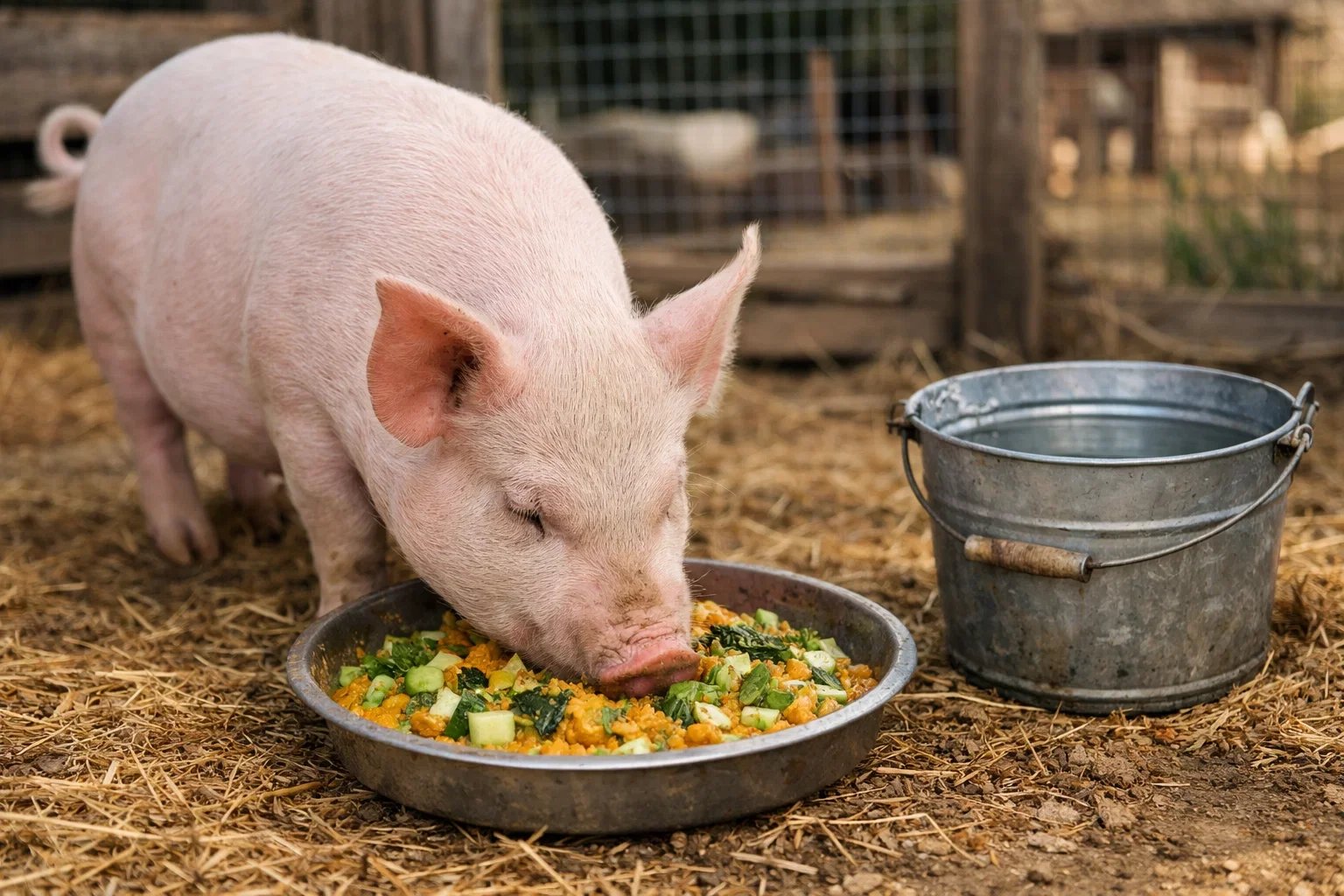
The stress associated with watching your pig strain, refusing to eat is one of the most stressful experiences of any pig keeper. The problem of constipation in pigs is not as new as many owners think and the best news is that the pigs are constipated by the food they eat and the food they eat is therefore the best remedy. Raise a potbelly pig, mini pig or farm pig, it all depends on what you know to feed a constipated pig, as that knowledge can prove cost-effective in terms of saving money by taking the pig to the doctor as opposed to spending more.
Understanding Why Pigs Get Constipated
Before rushing to conclusions, it is better to know the cause of the problem. The digestive system of pigs is rather sensitive and constipation in most cases occurs when they are fed in a too dry or too low in fiber or may not have easy access to fresh water. Unexpected feed change, stress due to a new environment, physical inactivity, and some drugs such as the iron injection in piglets are also known to initiate pig digestive issues.
This is particularly susceptible to young piglets, pregnant sows and older pigs. Constipation among farrowing sows is a long-established problem in farms, which can be attributed to declining movement and shifts in diet in the last days of pregnancy.
Recognizing Constipated Pig Symptoms
Catching the problem early makes treatment much easier. The most common constipated pig symptoms include:
- Straining or grunting during defecation with little or no output
- Hard, dry, or pellet-like stools that are smaller than normal
- Reduced appetite or complete refusal to eat
- Bloated or distended belly that feels firm to the touch
- Lethargy and restlessness, alternating between lying down and getting up
- Tail tucking and hunched posture in smaller or potbelly pigs
- Absence of bowel movements for more than 24–48 hours
If your pig shows signs of extreme bloating, pain, or complete blockage alongside these symptoms, contact a veterinarian immediately, as this can escalate to a life-threatening situation.
According to swine veterinary research, constipation during late gestation is reported in up to 30% of sows, making it one of the most common pre-farrowing health issues on pig farms. Dietary fiber supplementation has been shown to significantly reduce this rate.
What to Feed a Constipated Pig: Best Food Options
Diet adjustment is the fastest and safest first response when your pig is constipated. The goal is to increase moisture, fiber, and gut motility all through food.
Fresh Fruits and Vegetables
These are your best tools. High-water-content produce softens the digestive tract and encourages movement.
- Pumpkin or pumpkin puree – a classic remedy; high in fiber and moisture
- Watermelon – excellent hydration booster
- Cucumbers mild and very hydrating
- Leafy greens (romaine lettuce, kale, spinach) – rich in fiber and easy to digest
- Apples (seedless) – contain pectin, a natural fiber that aids digestion
- Pears – high in sorbitol, which acts as a gentle natural laxative
- Cooked sweet potato – soft, fiber-rich, and well-tolerated
Feed these in moderate amounts. Too much fruit can cause loose stools, so aim for balance.
Bran and Fiber-Rich Feed Additions
To enhance gut transit, one can add bran of wheat or beet pulp to the regular feed of your pig to bulk up stools. During their recovery, add a small portion of wheat bran in their daily feed. Oat bran is also another good choice and most of the pigs like it.

For pig owners who want to review their regular feed program, check out this guide on pig feed to ensure the baseline diet supports healthy digestion year-round.
Cooked Oatmeal
Cooked plain and unsalted oatmeal with a plentiful supply of warm water is one of the most cooling and effective foods of a constipated pig. It is non-fibre, moist and rich in fibre and most pigs are very palatable to it.
Prune or Pear Juice
A little unsweetened prune juice or pear juice in the water or blended into food may serve as a natural suppository of a gentle nature. In the case of a mini pig, 1 to 2 tablespoons will be adequate. In the case of a farm pig, half a cup can be used as a mixture with their feed.
How to Treat a Constipated Pig Naturally
Beyond specific foods, a few broader approaches fall under how to treat constipated pig naturally without immediately reaching for medication.
- Dramatically Increase Water Intake This is non-negotiable. Fresh, clean water must always be available. During a bout of constipation, add water directly to food to create a soupy consistency. Warm water is often more appealing to pigs and encourages them to drink more.
- Encourage Movement Exercise naturally stimulates gut motility. Take your pig for a short walk, encourage them to root outdoors, or simply give them space to move around. Even 15–20 minutes of gentle activity can help get things moving.
- Warm Belly Massage Gently massaging your pig’s belly in a circular motion can help stimulate intestinal movement. This works particularly well for smaller pigs and piglets.
- Olive Oil or Coconut Oil Adding one to two teaspoons of extra virgin olive oil or coconut oil to your pig’s food acts as a mild, safe lubricant for the digestive tract. Do not overdo it too much oil causes diarrhea.
- Electrolyte Water For pigs that seem dehydrated alongside constipation, offering a mild electrolyte solution (formulated for livestock or pigs) can help rehydrate the gut and restore normal function.
Foods That Make Constipation Worse
Knowing what to avoid is just as important as knowing what to offer. Certain foods slow digestion, dry out stools, or create blockages. If you have a potbelly pig, you should review what not to feed a potbelly pig for a full list of dietary no-gos, but for constipation specifically, avoid the following:
| Foods to Avoid During Constipation | Why They Are Harmful |
| Dry, pellet-only diet with no moisture | Dehydrates the colon, hardens stools |
| Bread, crackers, or starchy snacks | Binding effect, reduces gut motility |
| Dairy products (cheese, milk) | Can cause digestive slowdown in pigs |
| Processed or salty foods | Draw moisture away from the colon |
| Large amounts of dry corn or grain | Low moisture content, difficult to transit |
| Cooked bones or fibrous raw scraps | Risk of physical blockage |
Recommended Dietary Routine for a Constipated Pig
| Time of Day | Food / Action | Purpose |
| Morning | Cooked oatmeal with added warm water | Hydration + fiber to start digestion |
| Mid-Morning | Fresh cucumber slices or watermelon | High-water-content snack |
| Afternoon | Regular feed moistened with water + bran | Fiber boost within normal diet |
| Evening | Pumpkin puree mixed into feed | Natural laxative effect overnight |
| Throughout Day | Unlimited fresh, clean water | Prevent dehydration |
Normal weather conditions require about 2 gallons of water per day by pigs. This need is further amplified during constipation or illness. One of the most significant causes of chronic pig digestive issues in small farms and small-scale backyard pig keeping is dehydration.

Recommended Commercial Feed for a Constipated Pig
All commercial feeds are not equal as far as digestive health is concerned. When your pig is already constipated and you are considering which bag you can find on the shelf, these are the definite answers on the most popular ones and their ranking based on their usefulness to a pig already in distress.
The Best Choice: 16% Sow and Pig Pellet
Out of all the commercial options available, the 16% Sow and Pig Pellet stands out as the most appropriate feed to use during a constipation episode. It is a complete feed designed for all classes of swine, meaning it is balanced for general maintenance without putting extra stress on the digestive system. The moderate 16% protein level is gentle enough for a pig in recovery. Most importantly, when you add warm water to turn it into a wet, soupy mix, it becomes an excellent base feed that addresses both nutrition and hydration at the same time. This is the closest thing on a standard feed list to a digestion-friendly option.
Why the Other Feeds Are Not Suitable
| Commercial Feed | Verdict | Reason |
| 15% Hog Mash | Use with caution | Dry mash format worsens gut dehydration unless heavily moistened |
| Show Pig Starter | Avoid | Contains Tiamulin (35 g/ton), an active antibiotic drug not appropriate unless treating a specific diagnosed infection |
| Show Pig Finisher | Avoid | Formulated for rapid weight gain in 125 lb+ pigs, not digestive recovery |
| 40% Concentrate | Avoid | Too high in protein and nutrient density for a pig already struggling with digestion |
| Hog & Cattle Wormer | Not applicable | Treats internal parasites only completely unrelated to constipation |
The Important Caveat
No commercial hog feed on this list was formulated specifically to relieve constipation. The 16% Sow and Pig Pellet is the best available option, but it must be paired with the natural dietary additions covered earlier in this guide. Add warm water to create a soupy texture, mix in pumpkin puree or wheat bran, and always offer fresh vegetables alongside it. The feed is your foundation hydration and fiber additions are what will actually resolve the problem.
When to Call the Vet
While dietary management resolves most mild cases within 24–48 hours, some situations require professional intervention. Contact your veterinarian if:
- Your pig has not passed stool in more than 48–72 hours despite dietary changes
- The abdomen is severely distended and hard
- Your pig shows signs of extreme pain, grinding teeth, or rolling
- There is blood in the stool
- The pig is a newborn piglet or a late-term pregnant sow
- Your pig stops drinking water entirely
A vet may prescribe a mild laxative, an enema (particularly for piglets), or IV fluids for severe dehydration. Never self-administer an enema without veterinary guidance, as improper technique can cause internal injury.
Final Thoughts
The constipation of pigs is not only very uncomfortable, but it is also very manageable provided one takes the necessary actions in time and makes the appropriate dietary selection. ASAP you see signs of constipated pig, begin with water, fresh veggies and additions of fiber. These simple and natural interventions usually respond well in a day or two to most pigs. How we feed a constipated pig is not only an issue of treatment of a problem but an issue of knowing that food is medicine, and a well-hydrated, fiber rich diet is the basis of life long digestive health in your pig.
FAQs
1. What causes constipation in pigs?
Constipation in pigs usually occurs due to a diet low in fiber, insufficient water intake, or sudden changes in feed. Stress, lack of exercise, and certain medications can also trigger digestive issues. Young piglets, older pigs, and pregnant sows are particularly vulnerable to constipation.
2. What are the signs of a constipated pig?
Common symptoms include straining during defecation, hard or pellet-like stools, reduced appetite, bloated belly, lethargy, and tail tucking. Pigs may also show unusual restlessness and absence of bowel movements for more than 24–48 hours. Severe cases require immediate veterinary attention.
3. What foods help relieve constipation in pigs?
High-fiber, high-water-content foods like pumpkin, watermelon, cucumbers, leafy greens, apples, pears, and cooked sweet potato are effective. Bran, beet pulp, and plain cooked oatmeal can also aid digestion. Small amounts of unsweetened prune or pear juice act as gentle natural stool softeners.
4. How can I treat a constipated pig naturally?
Ensure fresh water is always available and add water to feed to make it soupy, encourage movement and gentle exercise, give warm belly massages, and add a teaspoon of olive or coconut oil to food. Mild electrolyte water can help rehydrate pigs that are dehydrated during constipation.
5. Which foods should I avoid feeding a constipated pig?
Avoid dry pellet-only diets, bread, starchy snacks, dairy, processed or salty foods, large amounts of corn or grains, and cooked bones. These foods can slow digestion, dehydrate the colon, and may cause physical blockages, worsening constipation rather than relieving it.
6. What is a recommended daily dietary routine for a constipated pig?
Morning: cooked oatmeal with warm water for hydration and fiber. Mid-morning: fresh cucumber or watermelon slices for moisture. Afternoon: regular feed moistened with water plus bran. Evening: pumpkin puree mixed into feed as a natural laxative. Fresh water should be available all day to prevent dehydration.
7. Which commercial pig feed is best during constipation?
The 16% Sow and Pig Pellet is the most suitable commercial feed because it provides balanced nutrition and moderate protein levels. When mixed with warm water to create a soupy consistency, it supports both hydration and gentle digestion, especially when combined with fiber-rich additions like pumpkin or bran.
8. When should I contact a veterinarian for constipation?
Call a vet if the pig has not passed stool in 48–72 hours despite dietary changes, has a severely distended or hard abdomen, shows extreme pain or rolling behavior, has blood in the stool, stops drinking water, or is a newborn piglet or late-term pregnant sow. Some cases may require laxatives, enemas, or IV fluids.