 Dogs & Cats
 Cattle
 Equine
 Poultry
 Swine
Swine Goats & Sheep
 Game Bird
 Gamecock
 Deer & Wildlife
 Fish & Pond
 Rabbit
 Specialty
 Ingredients & Bulk
 Special Order

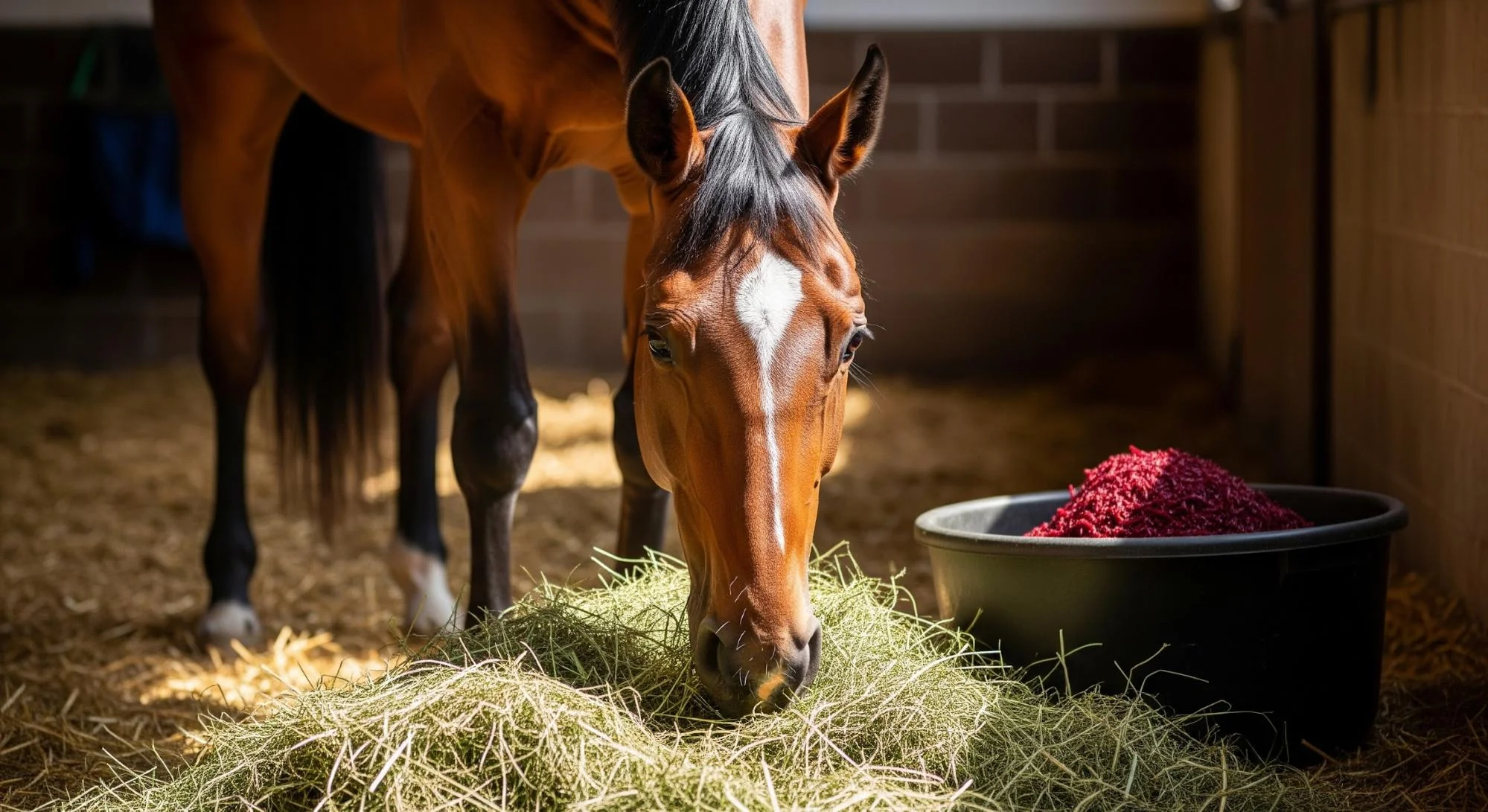
The prevalence of equine gastric ulcer syndrome (EGUS) is up to 90 percent of the performance horses and almost 60 percent of all domesticated horses; therefore, good nutrition is essential in the prevention and treatment. The question of which is the best feed to feed ulcer prone horses with is answered by first understanding how the various forms of feed influence the acid production of the stomach and the digestive well-being.
Understanding Equine Gastric Ulcers and Nutrition
Whether they are eating or not, horse stomachs make acid on a regular basis; about 16 gallons of acid per day. Naturally, this acid is buffered when horses graze between 18 hours a day, in the wild. Domestic feeding schedules however tend to leave long intervals between meals and this exposes the stomach to stomach acid that damages the unprotected upper part of the stomach lining.
The best feeding strategy focuses on:
- High-fiber, low-starch content
- Frequent, smaller meals
- Quality forage as the foundation
- Minimal grain and sugar intake
Key Characteristics of the Best Feed for Ulcer Prone Horses
When selecting feed for horses with ulcers or those predisposed to developing them, prioritize these essential features:
High Forage Content
Good hay must consist of 1.5 -2 percent of body weight of your horse. The alfalfa hay is especially helpful as it has more protein and calcium contents which naturally buffer the stomach acids. Other grass hays that are also great include timothy hay and when fed on a high rate.

Low Sugar and Starch
Which feed is the most appropriate as per sugar contents to give to ulcer prone horses? Find feeds with limited sugar and starch (NSC) less than 10%. Diets high in starch stimulate the secretion of gastric acid and may escalate the symptoms of ulcers.
| Feed Type | Average Starch Content | Suitability for Ulcer-Prone Horses |
| Traditional sweet feed | 30-40% | Poor |
| Beet pulp | 2-5% | Excellent |
| Alfalfa pellets | 2-3% | Excellent |
| Oats | 45-50% | Poor |
| Rice bran | 15-20% | Moderate |
| Commercial low-starch feeds | 8-12% | Good to Excellent |
Added Digestive Support
Premium feeds designed for ulcer-prone horses often include:
- Pectin and lecithin: Create a protective coating on the stomach lining
- Live yeast cultures: Support hindgut health and improve fiber digestion
- Prebiotics and probiotics: Maintain beneficial gut bacteria
- Omega-3 fatty acids: Reduce inflammation throughout the digestive tract
Top Feed Options for Horses With Ulcers
1. Alfalfa-Based Products
Alfalfa gives a natural buffering or balancing capacity because of its calcium and protein. Research indicates that horses fed on alfalfa experience much less acid exposure in the top part of the stomach than the ones fed on grass hay only.
Best forms:
- Alfalfa hay (free choice if possible)
- Alfalfa pellets or cubes (soaked for easier digestion)
- Alfalfa/timothy hay mix
2. Beet Pulp
It is a very digestible source of fiber, low in sugar and starch and offers a lot of energy. Beet pulp forms a gel-like texture in wetness and this could serve as a barrier to the stomach walls.
3. Commercial Low-NSC Feeds
Many feed manufacturers now produce specialized formulas for ulcer-prone horses. These typically feature:
- NSC levels below 12%
- Enhanced fiber content from sources like soy hulls and beet pulp
- Added digestive support ingredients
- Balanced vitamins and minerals
4. Chaff-Based Feeds
Forage products that are chopped stimulate thorough chewing, which raises the production of saliva. The antacid of nature is the saliva that includes bicarbonate that aids in countering the stomach acid.
Organic Horse Feed vs Conventional: What’s Better for Ulcer Management?
Organic Horse Feed vs Conventional
The controversial issue of organic and conventional feeds is based on the source of ingredients, processing, and possible chemical exposure. In case of ulcer prone horses, both may work provided that they are of low-starch high-fiber requirements.
Organic feed advantages:
- No synthetic pesticides or herbicides
- Non-GMO ingredients
- No artificial preservatives or additives
- Often higher in certain antioxidants
- Potentially lower mycotoxin levels (though not guaranteed)
Conventional feed advantages:
- More widely available
- Generally less expensive
- Extensive research backing formulations
- Consistent quality control
- Greater variety of specialized formulas
The verdict: The organic versus conventional decision matters less than choosing a feed with appropriate nutritional characteristics. A conventional low-starch feed formulated for ulcer prevention will outperform an organic sweet feed high in sugar and starch.
| Factor | Organic Feed | Conventional Feed |
| Ingredient sourcing | Certified organic farms | Varied sources |
| Pesticide residue | Minimal to none | Possible trace amounts |
| Cost | 20-50% higher | Standard pricing |
| Availability | Limited options | Wide variety |
| Nutritional efficacy for ulcers | Depends on formulation | Depends on formulation |
| Research support | Growing but limited | Extensive |
Organic Horse Feed for Seniors With Ulcer Concerns
Organic Horse Feed for Seniors

As horses reach their senior years, they often experience two common issues: declining digestive efficiency and increased vulnerability to gastric ulcers. This risk is especially high when NSAIDs are used to manage arthritis and chronic pain. Selecting the right equine feed is therefore crucial. Organic and senior-specific equine feed formulations are designed to support digestion, improve nutrient absorption, and help protect the stomach lining, making them an ideal choice for ulcer-prone horses during their golden years.
Key requirements for senior horses with ulcers:
- Well-digestible sources of fiber: Senior horses can experience a lower digestive capacity because of dental problems or a lower amount of enzymes produced. Wet beet pulp, alfalfa pellets, and senior complete feeds contain nutritional contents that do not need a lot of chewing.
- Increased nutrient density: Aging horses require higher calories and nutrient levels in decreased quantities. Seek feeds containing 12-14% protein, added fat (6-10%) of feed sources such as flax or rice bran.
- Joint and digestive support: Senior diets may contain glucosamine, chondroitin, and probiotics which are helpful to general health without worsening ulcers.
- Lighter textures: A great number of old horses are unable to digest hay due to dental issues. Total feeds which may replace the hay altogether are occasionally required.
Organic senior feed considerations:
If choosing organic for your senior horse, verify that the formula:
- Contains less than 12% NSC
- Provides at least 1.5% of body weight in forage or forage replacer
- Includes adequate fat for calories without excess grain
- Can be thoroughly soaked for easy consumption
Feeding Schedule and Management Strategies
Beyond selecting the right feed type, how you feed matters enormously for ulcer prevention:
Frequency is Critical
Eat 4-6 times every day instead of 1-2 large meals. This maintains an unlimited amount of fiber in the stomach which in turn stimulates the production of saliva and buffers acid.
Never Feed on an Empty Stomach
Feeds must be preceded by forage. The fibre forms a protective layer in the stomach and retards the flow of grain in the digestive system.
Pre-Exercise Feeding
Feed at least 1-2 pounds of alfalfa hay at least 30-60 min before riding. It has been established that exercise without food intakes substantially elevates the acid splashing on the bare upper stomach part.
Continuous Forage Access
Where feasible, give 24/7 access to hay. In case your horse requires limited feeding because of weight control, put on slow-feed nets or grazing muzzles instead of removing all the forage.
Hydration Matters
Always have access to clean water. Dehydration also concentrates the stomach acid and ulceration can be more severe.
Ingredients to Avoid
When determining what is the best feed for ulcer prone horses, knowing what to avoid is equally important:
- Molasses and added sugars: Increase acidity and can worsen symptoms
- Whole grains (corn, oats, barley): High starch content triggers acid production
- Sweet feeds: Typically contain 20-35% sugar and starch combined
- Excessive concentrates: More than 0.5% of body weight per meal increases ulcer risk
- Low-quality hay: Dusty, moldy, or overly mature hay provides poor nutrition and can irritate the digestive tract
Supplements and Additions for Ulcer Management
While feed forms the foundation, these additions can enhance ulcer prevention:
Proven Beneficial Supplements
- Aloe vera juice: Contains compounds that may soothe the digestive tract (150-250ml daily)
- Slippery elm: Creates a protective mucilage coating (1-2 tablespoons twice daily)
- L-glutamine: Supports gut lining repair (20-30g daily)
- Magnesium oxide: Helps buffer stomach acid (5-10g daily)
- Sea buckthorn berry: Shown in studies to support gastric health
Calming Supplements
Stress is a major ulcer contributor. Consider:
- Magnesium supplements
- L-tryptophan
- Thiamine (Vitamin B1)
- Adaptogenic herbs like ashwagandha
Real-World Feeding Plan Example
For a 1,000-pound horse prone to ulcers:
Daily intake:
- 15-20 pounds of hay (mix of alfalfa and grass hay)
- 3-4 pounds of low-starch complete feed, divided into 3-4 meals
- 2-3 pounds soaked beet pulp
- 1/4 cup ground flaxseed (for omega-3s)
- Appropriate vitamin/mineral supplement
- Free-choice salt
Schedule:
- 6:00 AM – Alfalfa hay + 1 lb complete feed
- 10:00 AM – Grass hay + soaked beet pulp
- 2:00 PM – Alfalfa hay + 1 lb complete feed
- 6:00 PM – Grass hay + 1 lb complete feed + beet pulp
- 10:00 PM – Alfalfa hay
- Overnight – Slow-feed hay net with grass hay
Monitoring and Adjusting
Track your horse’s response to dietary changes:
Positive signs:
- Improved appetite
- Better body condition
- More relaxed behavior
- Reduced girthiness
- Normal manure consistency
- Willingness to work
Warning signs requiring veterinary attention:
- Poor appetite
- Weight loss
- Dullness or depression
- Teeth grinding
- Excessive salivation
- Colic symptoms
- Changes in manure (diarrhea or excessive firmness)
Regular gastroscopic examinations (every 6-12 months) provide the only definitive way to assess ulcer healing or recurrence.
Conclusion
The optimal feed strategy combines high-quality forage, low-starch concentrates, frequent feeding schedules, and stress management. While specific products vary, the principles remain constant:
- Forage first: Make hay or hay replacer the foundation—minimum 1.5% of body weight daily
- Low NSC: Keep combined sugar and starch below 12%
- Frequent meals: Feed 4-6 times daily rather than 1-2 large meals
- Quality matters: Choose consistent, dust-free, mold-free feeds
- Individual variation: Monitor your horse’s response and adjust accordingly
The difference between organic feed and conventional feed is insignificant as compared to the selection of a diet that has been developed to improve digestive health. Together with your veterinarian and equine nutritionist, planning a thorough strategy that will take into consideration the needs of your individual horse, the intensity of its activity, and its condition should be created.
It is important to remember that the best feed to feed ulcer prone horses is not always about the product that you purchase but rather about developing a comprehensive feeding program that resembles the natural grazing behavior and still satisfies the requirements of domestic life. Most horses having ulcers can enjoy comfort, good health and performance with good nutrition and management.
FAQs
1. What type of feed is best for ulcer-prone horses?
The best feed for ulcer-prone horses is high-fiber, low-starch, and low-sugar. Alfalfa hay, soaked beet pulp, and commercial low-NSC feeds provide buffering, digestibility, and essential nutrients. Frequent small meals help maintain a protective stomach mat.
2. Can ulcer-prone horses eat sweet feed?
No, sweet feed is generally not recommended because its high sugar and starch content increases stomach acid production. Feeds with less than 12% NSC are safer. Focus on forage-based or specialized low-starch feeds instead.
3. How often should ulcer-prone horses be fed?
Feed small meals 4-6 times daily rather than 1-2 large meals. Continuous forage access, even overnight with slow-feed nets, helps buffer stomach acid and mimics natural grazing behavior. This reduces ulcer risk and supports digestion.
4. Are organic feeds better for horses with ulcers?
Organic feeds can be beneficial, but what matters most is low starch, high fiber, and consistent quality. Conventional low-NSC feeds formulated for ulcer management often provide more reliable results than organic sweet feeds.
5. What supplements support ulcer-prone horses?
Supplements like aloe vera, slippery elm, L-glutamine, magnesium oxide, and omega-3 sources can help protect and heal the digestive tract. Stress-reducing supplements such as magnesium, L-tryptophan, and adaptogenic herbs also support overall gastric health.