 Dogs & Cats
 Cattle
 Equine
 Poultry
 Swine
Swine Goats & Sheep
 Game Bird
 Gamecock
 Deer & Wildlife
 Fish & Pond
 Rabbit
 Specialty
 Ingredients & Bulk
 Special Order

What Are Cats Allergic to Food? Understanding Feline Diet Allergies
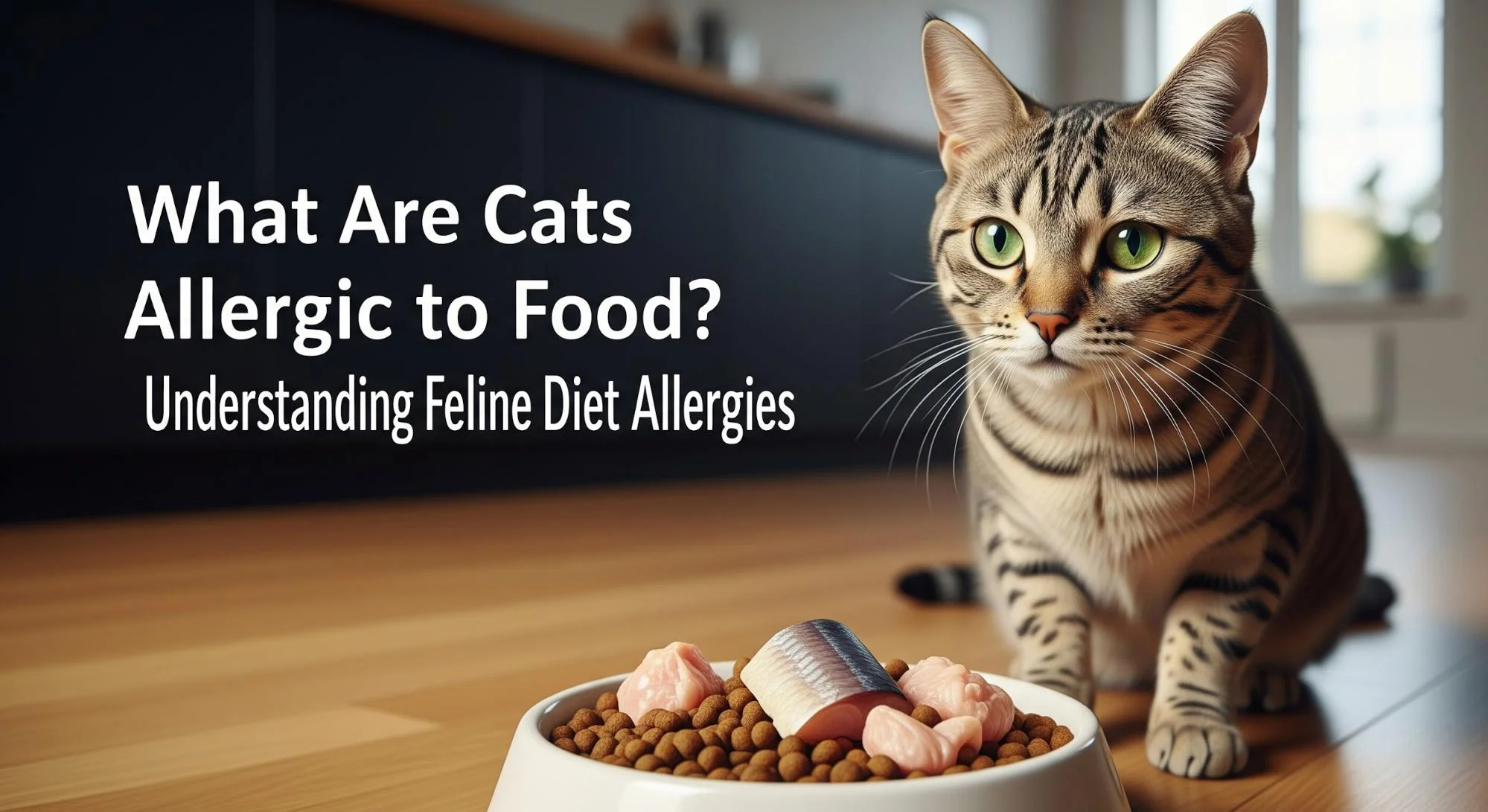
We love our pets and wish nothing but the best to them, as loving pet parents. Yet, most of the cat owners become confused after their pets begin demonstrating the symptoms of unease following a meal. When you have noticed that your cat is scratching too often, you have noticed skin problems, or even have some digestive disorder, you may be asking yourself: what are cats allergic to food, how can you make your pet feel better?
More people often think that food allergies are not common in cats, whereas the allergies to food may occur in about 10-15% of all cases in cats. Food allergies are constant throughout the year unlike environmental allergies that arrive and leave with the seasons and may have a dramatic effect on the quality of life of your cat. The first step to a comfortable and healthy life of your beloved is to understand its allergies.
The Science of Feline Food Allergies
When we refer to cats allergic to food we are referring to an immune system reaction to certain proteins which are present in their food. Because of an allergic reaction, the immune system of the cat misunderstands some food proteins as an enemy and activates allergic reactions. This is opposed to food intolerance which does not involve the immune system and only has digestive symptoms.
Proteins, which cats have constantly come across over a long period, tend to be the most problematic ingredients in cat food. It is interesting that cats never get allergic to the food that they have never been exposed to, and that is why new protein diets are highly effective in an elimination trial.
Common Culprits: What Triggers Food Allergies in Cats
Understanding common cat food allergies helps you identify potential problems in your pet’s diet. Research has shown that certain proteins are more likely to cause allergic reactions than others.
Most Common Allergenic Foods for Cats
| Food Ingredient | Likelihood of Causing Allergies | Additional Notes |
| Beef | Very High | Most common allergen in cats |
| Dairy Products | High | Many cats are lactose intolerant as well |
| Fish | High | Despite popularity in cat food |
| Chicken | Moderate to High | Commonly used in commercial cat foods |
| Eggs | Moderate | Can cause reactions in sensitive cats |
| Lamb | Low to Moderate | Often used in “limited ingredient” diets |
| Wheat/Gluten | Low to Moderate | Less common but still problematic for some |
| Corn | Low | Rarely causes true allergies |

Beef stands out as the primary offender, causing allergic reactions in approximately 30-40% of cats with food allergies. This might seem counterintuitive since beef is a common ingredient in many cat foods, but that’s precisely why it’s so problematic. The more exposure a cat has to a particular protein, the higher the chance of developing an allergy to it.
Dairy products deserve special mention because they cause problems for cats in two ways. Many adult cats lack the enzyme needed to properly digest lactose, leading to gastrointestinal upset. Additionally, the proteins in dairy can trigger true allergic reactions in susceptible cats.
Recognizing the Signs: Is Your Cat Suffering?
Identifying food allergies can be challenging because the symptoms often mimic other health conditions. When considering what are cats allergic to food, pay attention to these common warning signs:
Skin-Related Symptoms:
- Excessive scratching, especially around the head, neck, and ears
- Red, inflamed skin or rashes
- Hair loss or thinning coat
- Small scabs or crusty lesions on the skin
- Over-grooming leading to bald patches
- Persistent ear infections
Digestive Symptoms:
- Chronic vomiting (more than occasional hairballs)
- Diarrhea or soft stools
- Increased gas or bloating
- Decreased appetite
- Weight loss despite adequate food intake
Behavioral Changes:
- Restlessness or irritability due to discomfort
- Changes in sleeping patterns
- Avoiding physical contact in affected areas
According to veterinary dermatologists, approximately 50-60% of cats with food allergies show skin symptoms, while 10-15% experience only gastrointestinal signs. The remaining cats display a combination of both.
The Diagnostic Journey: Finding the Root Cause
Many pet owners ask how to test cat for food allergies, hoping for a simple blood test or skin prick examination. Unfortunately, diagnosing food allergies in cats isn’t quite that straightforward.
Available Diagnostic Methods
| Diagnostic Method | Accuracy | Recommended Use |
| Elimination Diet Trial | 90-95% (Gold Standard) | Primary diagnostic tool |
| Blood Tests (IgE) | 20-30% | Not recommended as sole diagnostic |
| Intradermal Testing | Not effective for food allergies | Only useful for environmental allergies |
| At-home Test Kits | Variable (often unreliable) | Not recommended by veterinarians |
The gold standard in diagnosis of food allergies is the elimination diet trial. This is done by feeding your cat a diet that has proteins that they have never consumed before during a period of 8-12 weeks. At such times, one is not allowed to give absolutely any other food, sweets or flavored medicine. On improvement of symptoms, it is probably an allergy to food. The diagnosis is then confirmed by the reintroduction of the suspected allergen.
This is a slow and committed process, yet this is the surest method of finding what cats are allergic to food in your given pets case. The main success during this trial is working hand in hand with your veterinarian.
Creating a Safe Diet: Nourishing Your Allergic Ca
Once you’ve identified your cat’s food triggers, the next question becomes: what to feed a cat with food allergies? Many pet owners also wonder what is the best cat food for their allergic feline companion. The goal is to provide complete, balanced nutrition while avoiding problematic ingredients, and the “best” food will be one that avoids your cat’s specific allergens while meeting all their nutritional needs.
Novel Protein Options:
- Venison (deer meat)
- Duck
- Rabbit
- Kangaroo
- Salmon (if not previously fed)
- Turkey (if not a trigger)
Hydrolyzed Protein Diets: These are special types of food that have proteins which are cut into small fragments, small enough not to cause an immune reaction. On the one hand, prescription hydrolyzed diets are recommended as a great number of veterinarians suggest them as they help to exclude the guesswork and guarantee full nutrition.
Limited Ingredient Diets: These are commercial foods that have a few ingredients and therefore, it is easier to determine and prevent allergens. Find products that contain one source of protein and few sources of carbohydrates. Limited ingredient diets frequently appear on the list of the best cat food to feed on allergies due to the fact that it simplifies the task of determining and avoiding trigger foods.
Essential Aspects Of Feeding The Allergic Cats
The shift in a new diet must be done slowly over a period of 7-10 days to avoid stomach upsets. Combine more and less new food with less and less old food every day.
Fact: It has been studied that cats allergic to food who were placed on the proper elimination diet improve in 60-80 per cent of cases in 4-8 weeks of changing their diet.
Look at the labels of the food well since most commercial cat food products have more than one source of protein. Such words as natural flavors or animal digest may include proteins of different origins, which may include allergens to your cat.
Make sure any food you select has AAFCO (Association of American Feed Control Officials) standards of complete balanced nutrition. Home made diets may also be effective and thus only prepared by the vet to avoid nutritional deficiencies.
Preventing Accidental Exposure
Living with a food-allergic cat requires vigilance beyond just their main meals. Consider these often-overlooked sources of allergens:
- Flavored medications or supplements
- Dental treats and chews
- Vitamin supplements with animal-derived ingredients
- Human food scraps (which should never be fed anyway)
- Other pets’ food in multi-pet households
- Flavored toothpaste designed for cats
Fact: Research indicates that up to 30% of elimination diet failures occur due to accidental exposure to allergens from treats, medications, or environmental sources.
Prognosis and Long-Term Management
Cats have food allergies that are normally lifelong. Food allergies cannot be treated through immunotherapy, as some of the other environmental allergies can be desensitized, and they should be managed permanently. Nonetheless, when trigger foods are avoided and diagnosed in time, most cats live perfectly symptom-free lives.
Frequent visits to the veterinary clinic will make sure that your cat is well fed on the specialized diet. Blood laboratories could be prescribed periodically to check the functioning of the organs and nutrition, particularly in the case of feeding someone on a limited nutritional intake over a long period of time.
Cats which are allergic to foods might also grow up to have new sensitivities and thus a change in diet. It is better to remain vigilant of any relapsing symptoms, so that they are detected early on.
Conclusion
Knowing the food allergens of cats enables you to make informed choices about the nutritional value and overall health of your pet. Although diagnosing and managing food allergies takes time, patience, and commitment, the effort is well rewarded with a happier, healthier cat that does not suffer from painful allergic reactions—especially when choosing products from reputable animal feed manufacturers that prioritize quality and ingredient transparency.
Consult your own veterinarian before changing your diet, in case you believe your cat is allergic to something he/she eats. They have the potential to lead you on a path of the process of eliminating diet, suggest proper foods, and exclude other conditions that would be similar to food allergies.
It is important to remember that each cat is different, and that what is effective with one cat, might not be effective with another. Through expert support and close monitoring, along with determined management, you can make your allergic cat live their life and eat the food without experiencing the aftermath of food-reactions.
FAQs
1. What are the most common food allergies in cats?
The most common food allergies in cats are caused by proteins such as beef, dairy, fish, and chicken. These ingredients are widely used in commercial cat foods, increasing long-term exposure. Over time, repeated exposure can trigger an immune response in sensitive cats.
2. Can cats suddenly develop food allergies?
Yes, cats can develop food allergies at any age, even to foods they have eaten for years. Allergies usually form after prolonged exposure to the same protein source. This is why a sudden reaction does not always mean a new food is the problem.
3. How can I tell if my cat has a food allergy or food intolerance?
Food allergies involve the immune system and often cause skin issues like itching and hair loss. Food intolerance usually affects digestion, leading to vomiting or diarrhoea without skin symptoms. A vet-led elimination diet is the best way to confirm the cause.
4. How long does it take to see improvement after changing my cat’s diet?
Most cats show noticeable improvement within 4 to 8 weeks of starting an elimination or hypoallergenic diet. Skin symptoms may take longer to fully clear than digestive issues. Strictly avoiding all trigger foods is essential during this period.
5. What is the best food for cats with food allergies?
The best food for allergic cats avoids known triggers and provides complete, balanced nutrition. Novel protein or hydrolysed protein diets are commonly recommended by veterinarians. Limited ingredient diets also help reduce the risk of reactions.
6. Are grain-free cat foods better for food allergies?
Grains are not a common cause of true food allergies in cats. Most reactions are linked to animal proteins rather than carbohydrates. Grain-free food only helps if grains are a confirmed trigger for your cat.
7. Can treats and medications cause allergic reactions in cats?
Yes, flavoured treats, supplements, and medications can contain hidden allergens. Even small amounts can trigger symptoms during an elimination diet. Always check labels and ask your vet for allergy-safe alternatives.
8. Do cats with food allergies need a special diet for life?
In most cases, food allergies are lifelong and require permanent dietary management. Once trigger ingredients are avoided, cats usually live healthy, symptom-free lives. Regular vet check-ups help ensure long-term nutritional balance.