 Dogs & Cats
 Cattle
 Equine
 Poultry
 Swine
Swine Goats & Sheep
 Game Bird
 Gamecock
 Deer & Wildlife
 Fish & Pond
 Rabbit
 Specialty
 Ingredients & Bulk
 Special Order
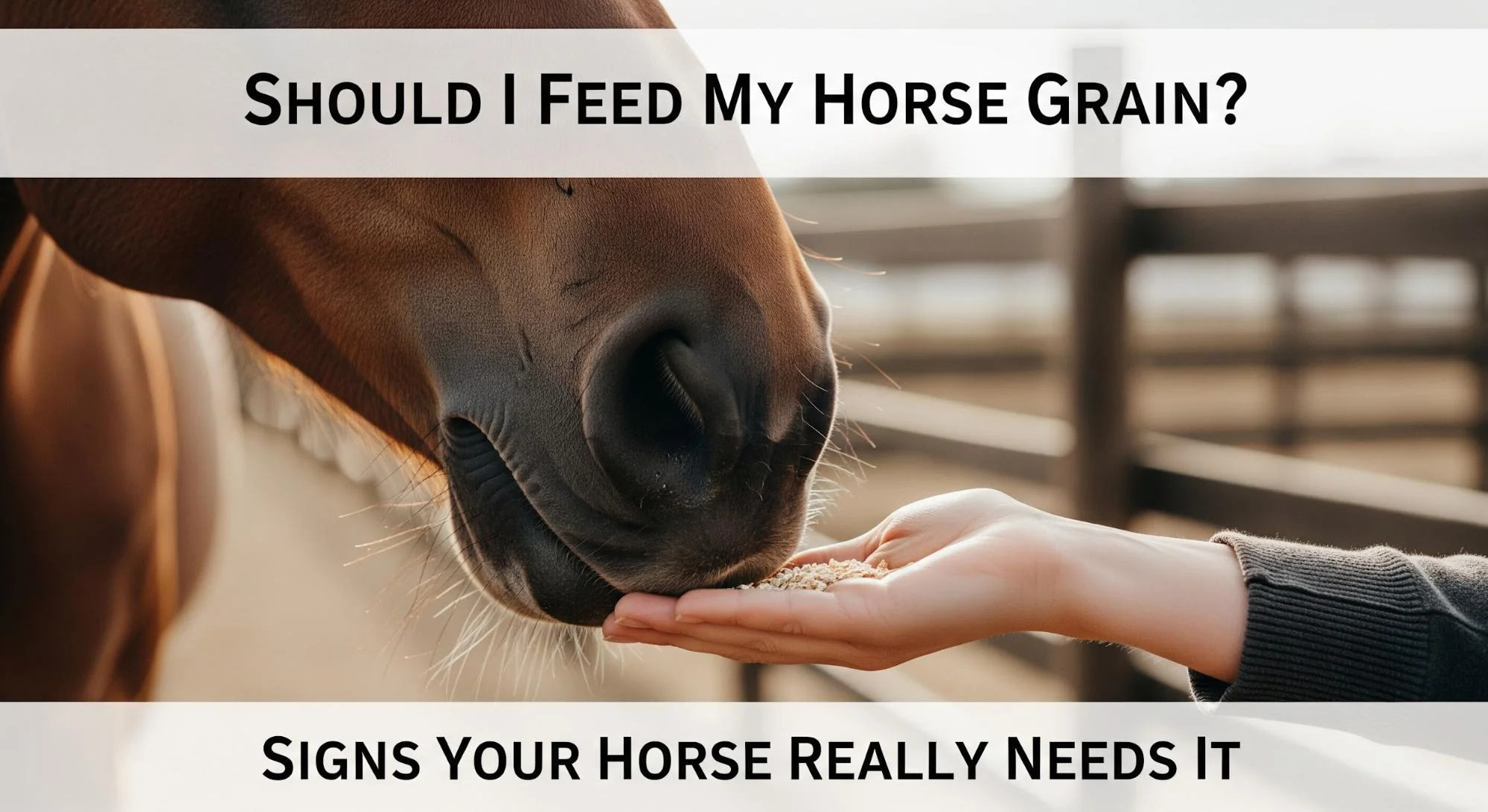
You are likely to have questioned yourself about having a horse and you were probably tempted to ask yourself, should I feed my horse grain? This happens to be one of the most widespread questions that the owners of the horses ask. It is not necessarily either yes or no. It is dependent on your horse, what it does and what it eats. In this guide, we will assist you to know when your horse should be fed on grain and how to feed it appropriately.
What is Horse Grain?
Horse grain is a special food that is prepared to be fed to the horses. It is not like the hay or grass which horses eat daily. Grain is produced out of seeds and grains that provide horses with additional energy and nutrients. Such grains may be oats, barley, corn and other grains.
When you purchase grain at an animal feed company, you are purchasing a product that is specifically horse food. These are the companies that combine grains with other healthy food stuffs such as vitamins and minerals. This ensures that your horse is fed well in order to be healthy. Horse feed can be in a great variety, and the type best suited to each horse.
Quality horse feeds by reputable animal food suppliers are produced to provide the horse with a complete diet. These products were tested in order to ensure that they were safe and healthy to the horses.
Should I Feed My Horse Grain?
It is all about what your horse does and how much energy it requires. A horse that does light work in a field need not be fed on grain. Sometimes good hay or grass is sufficient. But when your horse is hard working, very young, old, or of ill health, he is likely to require grain.
The following are the reasons why you should give your horse grain:
- The Work Horses require additional energy to run, jump and work throughout the day. Racing or sport horses require more to eat than a horse that is in a field.
- Small Horses are still in transit of growth and they require grain to enable them to grow big and strong. Growing horses require special feeding of babies.
- Elderly Horses could also experience difficulties with their teeth and they are not able to chew hay better, grain is so much easier to eat. Older horses are much more benefiting of soft horse feed.
- Horses exhibiting health issues can require special grain or supplementary food to ensure that they remain healthy and recover as a result of the health problem.
- Anorectic horses which require to add weight might require grain to enable them to increase in size and weight.
How Much Grain to Feed a Horse

It is significant to know the amount of grain to feed a horse. You are not going to feed your horse too much or too little. The appropriate quantity varies according to the size of the horse, age, work intensity and the health condition.
The average horse feeds on 1-2 pounds of grain to 100 pounds of body weight in a day. A 1,000 pound horse therefore needs 10 to 20 pounds of grain in a day. However, this is only a beginning. There are horses who require more and those that require less.
Your horse will tell you whether you are feeding the correct amount or not. In case your horse is skinny, it might require extra grain. When your horse is becoming fat, it might be able to do with less. Healthy horses have ribs which one can feel but not see. When you cannot feel the ribs of your horse it is overeating. When you see all the ribs then it is not eating enough.
Daily Grain Amounts by Horse Weight and Work Level
| Horse Weight | Light Work | Moderate Work | Heavy Work |
| 800 lbs | 4-6 lbs | 8-12 lbs | 12-16 lbs |
| 1,000 lbs | 5-8 lbs | 10-15 lbs | 15-20 lbs |
| 1,200 lbs | 6-10 lbs | 12-18 lbs | 18-24 lbs |
Remember, these are just guidelines. Every horse is different, so watch your horse and change the amount if needed.
Types of Grain for Horses
There are many different types of grain for horses. Each type has different nutrients and benefits. Choosing the right type depends on your horse’s needs and what your horse likes to eat.
Oats are one of the safest grains for horses. They are easy for horses to digest and give them energy. Oats are also not too strong, so they will not make your horse crazy or too hyper. Most horse feed includes oats as a main ingredient because they are so good for horses.
Barley has more energy than oats. It is harder than oats, so some horses have trouble eating it. You may need to crush or steam barley before giving it to your horse. Barley is good for horses that need extra energy.
Corn has a lot of energy but not much protein. Many people use corn for horses that need to gain weight or need extra energy. However, too much corn can make horses sick, so be careful not to give too much.
Mixed Grain is what most horse feed manufacturers create by mixing different grains together. These mixes are made to give horses everything they need. They also have vitamins and minerals added to them, making them a complete food source.
Grain Types and Their Main Benefits
| Grain Type | Energy Level | Ease of Digestion | Best For |
| Oats | Medium | Excellent | All horses |
| Barley | High | Good | Work horses |
| Corn | Very High | Good | Weight gain |
| Mixed | Medium | Excellent | General use |
How to Feed Horse Grain

Now that you understand whether you should feed your horse grain and how much grain to feed a horse, let’s talk about the best way to feed it. There are some important rules to follow.
Split Meals: Do not feed your horse on all his grain in a big meal. Rather, divide it into two or three small meals. This is healthier on the stomach of your horse and will help it to avoid problems. As an example, suppose you have a horse which requires 12 pounds of grain you can give it 4 pounds at breakfast, 4 pounds at lunch and 4 pounds at dinner.
Feed at the Proper Time: Feed your horse at the same time of day. Equines feed like clockwork and are more productive when they are part of a herd. It is also easier to remember about feeding with this.
Have Fresh Water: It is always important to have clean and fresh water to your horse. Grain will cause your horse to be thirsty and it is very essential that you have water.
Change Grain Slowly: When you wish to change your feeding grain, get it changed gradually over say 7 or 10 days. Feeder the grain in old with the new grain, increasing new grain each day and decreasing old grain each day. Grain is a very fast food, and feeding it to your horse too rapidly may make it ill.
Store Grain Right: Grain should be stored in a clean and dry location where bugs and mice have no access to it. A tight metal lid bin is effective. The old grain is likely to go bad and therefore grain with much storage time is to be used first.
Special Cases to Consider
Young horses: Young horses which are yet to grow and baby horses require more nutrition than older horses. They also require grain specially prepared to them, with an additional of protein and other minerals to enable them develop large and strong. Discuss special formulas of young horses with an animal feed manufacturer.
Old Horses: Older horses are of the senior age and they might find it difficult to chew the hay. They can be better fed on softer horse food. There are also some old horses which require grain that is crushed in water so as to become soft.
Horses that have Health Problems: In the case of your horse that has a health issue such as ulcers, diabetes, or joint issues, there is a possibility that the horse requires a special grain or horse food. Consult a veteran on what is supposed to be done to your horse.
Pregnant Mares: Pregnant mares require additional nutrients to carry the baby within them. They require additional grain and higher quality horse feed both when they are pregnant and when they give birth.
Common Mistakes to Avoid
When feeding grain, it is easy to make mistakes. Here are some common ones to watch out for.
Too Much Grain is one of the biggest mistakes. Many people think if some grain is good, more grain is better. This is wrong. Too much grain can make your horse sick, cause weight problems, and lead to health issues.
Too Little Grain is also a problem. If your horse needs grain and you do not give enough, your horse may not have the energy it needs to work or may lose weight.
Bad Grain Storage can ruin the grain. Grain that gets wet or moldy is not safe to feed. Always keep grain in a dry place. Moldy grain can make your horse very sick.
Not Mixing Grain Well means your horse may not get all the nutrients it needs. If you mix different grains, make sure they are mixed well before feeding.
Changing Grain Too Fast can upset your horse’s stomach. Always change grain slowly over one to two weeks.
Using Old or Expired Grain can be dangerous for your horse. Check the date on your grain and throw away old grain that has been stored too long.
Working with an Animal Feed Manufacturer
When choosing horse feed, it helps to work with a good animal feed manufacturer. These companies understand what horses need to stay healthy. They test their products to make sure they are safe and full of good nutrients.
A quality animal feed manufacturer will create horse feed with:
- The right mix of grains
- Added vitamins and minerals
- Protein for muscle building
- Easy digestion for horse health
- Fresh ingredients stored properly
Ask your animal feed manufacturer questions about their horse feed. They can help you pick the right feed for your horse’s age, work level, and health.
Final Tips for Success
Keep these tips in mind when feeding your horse:
- Start with small amounts of grain if your horse is not used to it
- Watch your horse’s weight and energy level
- Keep your horse’s schedule the same every day
- Always have clean water available
- Store grain in a clean, dry place
- Talk to your vet if you have questions
- Pick high-quality horse feed from trusted sources
Conclusion
Therefore, should you feed your horse grain? The answer is maybe. All it comes down to is your horse and your horse is everything. However, now you know how to make the right decision. It should be born in mind that proper horse food sold by a reputable animal feed company can keep your horse in good health and happy. The most significant issue is observation of your horse and the implementation of the necessary changes in case you want to have the best horse feed mix or to provide the type of grain to horses.
When your horse is pleased, fit and it possesses the right energy to do its job, then you are on the right track. Ask a veteran, there may be confusion about how much grain to feed a horse or what the most suitable grain is. They would be in a position to assist you in making the best decision regarding your horse.
You have years of a healthy and strong horse, with the right care and with the right food, you will have a horse. One of the most effective things you can do to take care of your horse and make sure it is healthy and happy is to understand when and how to feed your horse grain.
FAQs
1. When should I feed my horse grain?
You should feed grain if your horse works hard, is young, elderly, thin, or has health issues. Horses that only graze or do light work may get enough nutrients from hay or grass. Grain provides extra energy and supports growth and recovery.
2. How much grain should I feed my horse?
Most horses eat 1–2 pounds of grain per 100 pounds of body weight daily. Adjust based on your horse’s size, work level, and condition. Monitor their weight and ribs to ensure they are neither underfed nor overfed.
3. What types of grain are best for horses?
Oats are easy to digest and suitable for all horses, barley provides high energy for working horses, and corn is good for weight gain. Mixed grains offer balanced nutrition with added vitamins and minerals for general use.
4. How should I feed grain to my horse?
Feed grain in two or three smaller meals rather than one large portion. Keep feeding times consistent, provide fresh water, and introduce new grain gradually over 7–10 days to prevent digestive issues.
5. What special considerations should I take for young or old horses?
Young horses need nutrient-rich grain to support growth, while older horses may need softer feed due to dental issues. Adjust the type and consistency of grain based on their age and health needs.
6. What common mistakes should I avoid when feeding grain?
Avoid overfeeding, underfeeding, feeding moldy grain, changing grain too quickly, and not mixing grains properly. These mistakes can lead to weight issues, digestive problems, or nutrient deficiencies.