 Dogs & Cats
 Cattle
 Equine
 Poultry
 Swine
Swine Goats & Sheep
 Game Bird
 Gamecock
 Deer & Wildlife
 Fish & Pond
 Rabbit
 Specialty
 Ingredients & Bulk
 Special Order

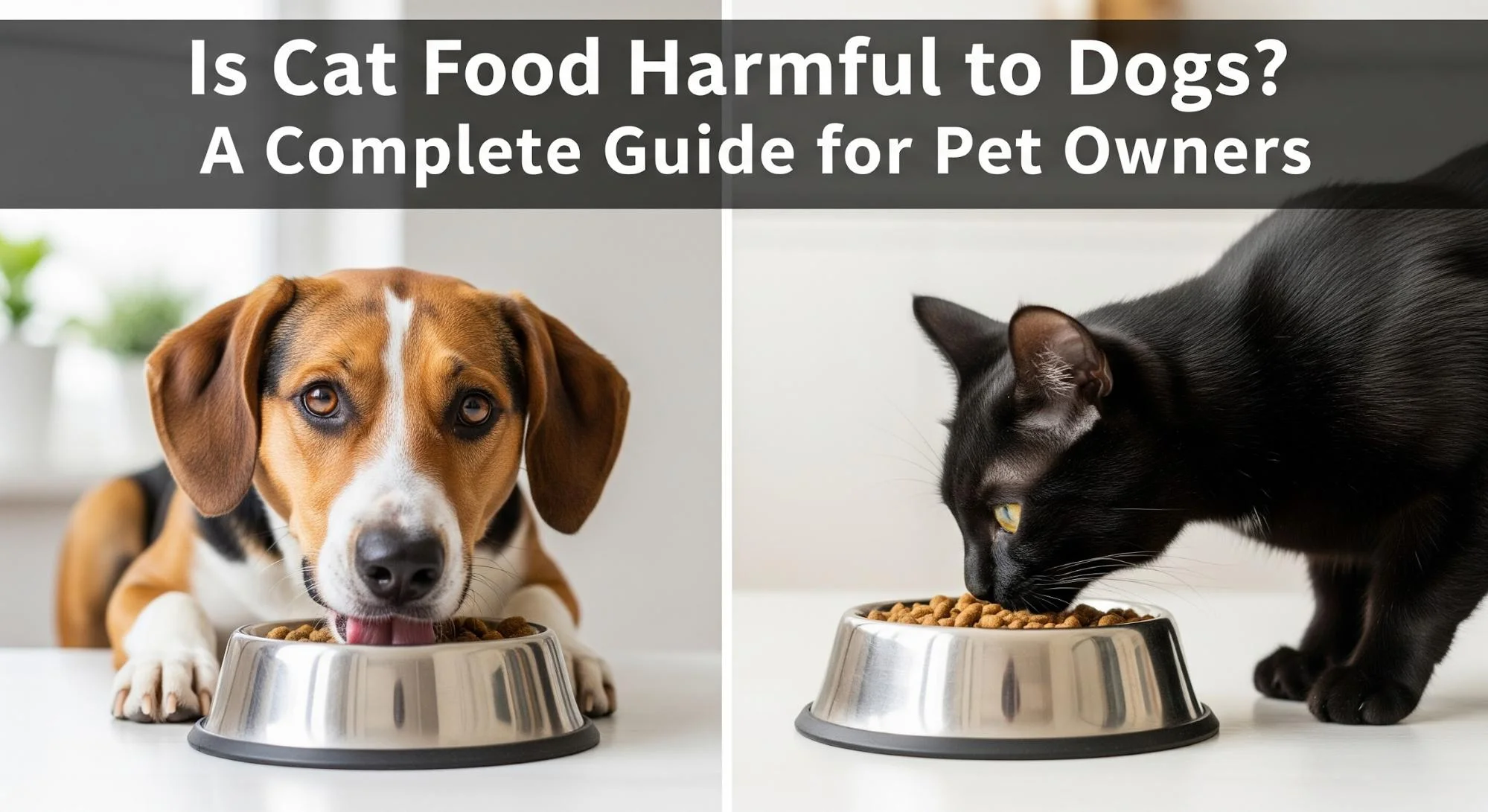
You are not alone on that one, and if you have ever happened to find your dog stealing a bite out of the bowl of your cat. The American veterinary medical association estimates that at least sixty seven percent of households in the USA with both cats and dogs report this behavior at some point. This is a typical household situation that many dog owners are always wondering about the possible outcomes. Although a nibble now and then may not raise any alarm, it is important to be aware of how feline food affects the health of canines so as to be a responsible pet owner.
The annual value of the pet food market in the United States indicates more than 44 billion US dollars, and the specific formulations are made on the basis of various species. Every formula is scientifically designed based on over 50 years of nutritional study, but cross-lineal feeding is among the most frequent issues that veterinarians tackle during well-check appointments.
Learning the Dietary Differences between Dogs and Cats.
The nutritional needs of dogs and cats have over millions of years developed in a very different manner. Cats are obligate carnivores which implies that their organs are adapted to flourish best on meat based proteins. Their development as lone hunters was an evolutionary process that led to their metabolism being adapted to a certain type of nutrients that can only be obtained in the meat of animals. Dogs, however, are omnivores, and their digestive system are more flexible, and therefore they can digest a broader range of food such as vegetables, grains, and proteins.
According to scientific study in the Journal of Animal Science, cats need twice or even thrice as much protein as dogs, essential in the basic metabolic activity. Liver enzymes of a cat are permanently programmed to consume large quantities of protein and will not adapt to low protein diets as dogs do. The main difference in the metabolism is the reason why cat food formulas have levels of protein that range between 30-40, whereas the dog food normally has 18-25.
These biological distinctions are the exact ones that are reflected in the formulation of pet food. The percentage of protein and fat in cat food is quite higher than in dog food, and the cat food has certain nutrients that the cat cannot synthesize independently. Taurine is one of the most essential ones; it is an amino acid that cats need to get through their diet and dogs are able to produce this acid in their bodies. Lack of taurine in cats causes dilated cardiomyopathy; a severe heart disease and this is the reason why cat food manufacturers add 1,000-2,000 mg/kg, of taurine to the food formula.
Also cats need pre-formed vitamin A (retinol) since they do not have the enzyme to convert beta-carotene into vitamin A, which the dog does effectively. Cats also require arachidonic acid which is an omega six fatty acid and cats are unable to convert it to any form whereas dogs produce it through the conversion of linoleic acid. These chemical variations render cross-species feeding to be problematic in the nutritional science view.
The Short-Term Effects: Cat Food, Is it Unhealthy?
In the context of deciding whether cat food is bad or good for dogs, it’s important to understand that even the best cat food can still cause digestive issues when consumed by dogs. We have to differentiate between occasional snacking and regular feeding. One or two servings of a small portion of cat food will usually not be a cause of severe health problems in the majority of dogs. Nevertheless, even the acute use can cause gastrointestinal discomfort because of the sharp change in the content and structure of nutrients.
According to veterinary gastroenterology research findings, dogs which eat cat food develop gastrointestinal distress in about 40-60 percent of the cases especially in those dogs that are not accustomed to high-fat diets. The dog digestive system generates certain ratios of enzymes which are best suited to their omnivorous food. Exposed to the rich composition of cat food abruptly, the production of enzymes is not able to adapt as fast as the rich food would cause incomplete digestion.
Common immediate reactions include:
- Vomiting or nausea – The high fat content (15-25% compared to dog food’s 8-15%) overwhelms the stomach lining
- Diarrhea or loose stools – Occurs within 6-12 hours as the intestines struggle to process excess fats and proteins
- Increased thirst – Cat food contains 3-5% more sodium to stimulate cats’ naturally low thirst drive
- Stomach discomfort and gas – Fermentation of undigested proteins produces intestinal gas and bloating
- Temporary lethargy – The body redirects energy to digestion, causing fatigue and reduced activity
- Excessive drooling – Nausea triggers increased saliva production as a protective mechanism
Cat food is filled with fatty food that in abundance fills the digestive system of a dog especially those who have sensitive stomachs. Labrador Retrievers, Golden Retrievers and German shepherds are reportedly more susceptible to gastrointestinal indiscretion due to their dietary choices (veterinary medical records). Small dogs and puppies are the ones who are particularly susceptible to such effects because of their low body mass, high metabolism rate, and their developing digestive system.
According to clinical veterinarians, dietary indiscretion (including the consumption of cat food) is the cause of an estimated 15-20 percent of all gastrointestinal cases in the dog, at high rates during holiday seasons when family habits are altered.
Long-Term Health Risks of Regular Cat Food Consumption

Although here or there a stolen bite may not be a reason to panic, frequent contact with cat food is a real danger to dog health. When we look at the issue of whether cat food is harmful to dogs , the question of whether it is harmful to the dog with prolonged exposure becomes even more serious.
Nutritional Imbalance
Cat food does not provide dogs with the nutrients they need and in the case of cats allergic to food, these diets are often even more specialized, making them less suitable for dogs to be healthy, but on the other hand gives them more than they need. The cat versus dog food would go beyond the level of protein content and consider vitamin contents and mineral ratios and their fatty acid structure that can lead to deficiencies or toxicities with time.
In a research, published by the Association of American Feed Control Officials (AAFCO), which establishes nutritional standards of pet food, dogs need certain nutrient profiles, which are quite different to those of felines:
- Insufficient vitamin E for dogs – Dog food typically contains 50-80 IU/kg, while cat food may have only 30-50 IU/kg. Vitamin E deficiency in dogs leads to muscle weakness, vision problems, and immune dysfunction
- Inadequate fiber content – Dogs need 3-5% fiber for proper gastrointestinal motility and healthy gut bacteria, while cat food contains only 2-3%. Chronic low fiber intake causes constipation, poor stool quality, and increased colon cancer risk
- Imbalanced calcium to phosphorus ratios – The optimal Ca:P ratio for dogs is 1.2:1 to 1.4:1, but cat food often has ratios of 1:1 or lower, potentially causing skeletal problems and metabolic bone disease in growing dogs
- Missing or insufficient levels of certain B vitamins – Dogs require higher amounts of B12 (cobalamin) for neurological health and B6 (pyridoxine) for amino acid metabolism than cats do
- Excess vitamin A – Cat food contains preformed vitamin A at levels 3-4 times higher than dog food. Long-term excess causes bone deformities, joint pain, and liver damage in dogs
- Inadequate carbohydrates – While cats have minimal carbohydrate needs (0-2%), dogs benefit from 30-40% carbohydrates for sustained energy and glucose regulation
The accumulative impact of the imbalances is witnessed within only 4-6 weeks once cat food is taken regularly. As deficiencies in nutrition develop, dogs can exhibit poor quality of coats, skin issues, low energy, and behavioral changes.
Obesity and Problems of Weight Management.
Cat food contains a lot more calories compared to dog food and it forms a complete disaster of gaining weight. However, veterinary nutritional research carried out at the Cummings School of Veterinary Medicine at Tufts University reported that cat food has about 30-40 percent more calories/cup than dog food. One hundred grams of dry cat food has 400-500 calories, whereas an equal amount of dog food has 300-350 calories.
In perspective, a 50 pinch dog only needs about 1,000-1,200 calories a day to maintain. Assuming that that dog eats only 1 cup of cat food in one day in addition to regular dog food, it is consuming between 35-40 more calories than what it requires. This excess of calories is soon translated into weight gain, even in active dogs. It has been found that dogs that consume cat food on a regular basis on average gain 1-2 pounds every month.
According to the Association of Pet obesity Prevention, 56 per cent of the dogs in the United States are considered overweight and obese. Cross species feeding is a contributing factor to this epidemic. Canine obesity exposes them to the risk of:
- Diabetes mellitus – Excess weight creates insulin resistance, with obese dogs being 2.8 times more likely to develop diabetes
- Arthritis and joint disease – Every extra pound places four pounds of pressure on joints, accelerating cartilage breakdown
- Cardiovascular disease – Fat accumulation around the heart impairs function and increases blood pressure
- Respiratory difficulties – Excess fat in the chest cavity restricts lung expansion, reducing oxygen intake
- Heat intolerance – Obese dogs cannot regulate body temperature efficiently, leading to dangerous overheating
- Reduced lifespan – Studies demonstrate that obese dogs live 1.8-2.5 years less than their lean counterparts
The situation is increased by the high palatability of the cat food. The manufacturers of cat food incorporate additional animal fat and the enhancers of flavor to attract the eating habits of cats which are selective. These formulations are impossible to resist by dogs and behavioral modification after the habit develops is difficult. As observed by veterinary behaviorists, those dogs that are frequently exposed to cat food develop obsessive food-seeking tendencies and they continually strive to enter the feeding zone of the cat.
Pancreatitis Risk

Among the most alarming issues associated with cat food dangerous to dogs is pancreatitis which is an inflammatory disorder of the pancreas that may be fatal. The pancreas has two functions, which include the production of digestive enzymes to digest food and the secretion of insulin to control the level of sugar in the blood. Acute inflammation of this vital organ can be provoked by the excessive fat content of cat food, sometimes 20-25 percent against 8-12 percent in dog food.
Pancreatitis is a condition that is caused by the activation of digestive enzymes that are located within the pancreas instead of the small intestine. Such activated enzymes start digesting the pancreas itself leading to a serious tissue damage, pain, and inflammation of the whole body. According to veterinary emergency research, 30-45 percent of the acute pancreatitis incidence in dogs can be traced to dietary indiscretion, especially the ingestion of fatty foods such as cat food.
Symptoms of pancreatitis include:
- Severe abdominal pain – Dogs adopt a “praying position” with front legs extended and hindquarters raised
- Repeated vomiting – Can occur 8-12 times or more within 24 hours, often with yellow bile
- Loss of appetite – Complete anorexia lasting 24-72 hours or longer
- Fever and weakness – Body temperature may reach 103-105°F (normal is 101-102.5°F)
- Hunched posture – Attempts to protect the painful abdomen
- Diarrhea – Often bloody or containing undigested fat droplets
- Dehydration – From fluid loss through vomiting and decreased water intake
- Lethargy and depression – Severe cases show reluctance to move at all
Pancreatitis can be life-threatening and requires immediate veterinary intervention. Treatment typically involves hospitalization for 3-5 days with IV fluids, pain management, anti-nausea medications, and nutritional support. Veterinary costs for pancreatitis treatment range from $1,500 to $5,000 depending on severity.
Certain breeds show increased susceptibility to pancreatitis due to genetic factors and lipid metabolism differences:
- Miniature Schnauzers (have a genetic predisposition for hyperlipidemia)
- Yorkshire Terriers (small size intensifies impact of high-fat foods)
- Cocker Spaniels (prone to inflammatory conditions)
- Dachshunds (body structure increases abdominal pressure)
- Miniature Poodles (genetic tendency toward pancreatitis)
- Silky Terriers (increased sensitivity to dietary fat)
Surviving dogs of acute pancreatitis may develop chronic pancreatitis, which necessitates the low-fat, easily digestible foods to be fed to the dog throughout their lives. Others have exocrine pancreatic insufficiency (EPI) in which the pancreas is unable to produce digestive enzymes hence requiring enzyme supplementation with each meal.
Can Dogs Eat Cat Food? Understanding the Quantities
The question of whether dogs can eat cat food is relative. Just imagine dessert to the human being, a rare indulgence will not ruin health, but turning it into everyday food will do so.
Dangerous Consumption Levels
The extent to which cat food is harmful to dogs depends on the size, age and health position of the dog. Nevertheless, there is a general consensus among veterinarians that cat food should not be taken on a regular basis. Here’s a practical breakdown:
Table 1: Cat Food Consumption Risk Levels for Dogs
| Dog Size | Occasional Snack (Low Risk) | Moderate Concern | High Risk (Immediate Intervention) |
| Small (under 20 lbs) | Few kibbles | Half cup or more | Full meal replacement |
| Medium (20-50 lbs) | Small handful | 1 cup or more | Regular daily consumption |
| Large (50-90 lbs) | Quarter cup | 1-2 cups | Multiple meals |
| Extra Large (90+ lbs) | Half cup | 2+ cups | Primary diet source |
Even small amounts consumed daily can accumulate health impacts over weeks and months. The key factor isn’t necessarily a single large consumption but rather the pattern of repeated exposure.
Cat Food vs Dog Food: A Nutritional Comparison
To truly understand why cat food poses risks for dogs, examining the nutritional profiles side by side provides clarity.
Table 2: Nutritional Comparison of Cat Food and Dog Food
| Nutrient Component | Cat Food (Average) | Dog Food (Average) | Why It Matters |
| Protein | 30-40% | 18-25% | Excess protein strains kidneys |
| Fat | 15-25% | 8-15% | Higher fat increases pancreatitis risk |
| Taurine | High levels | Minimal/none | Dogs produce naturally; excess unnecessary |
| Vitamin A | Preformed | Beta-carotene | Dogs convert; direct form can cause toxicity |
| Arachidonic Acid | Present | Not required | Dogs synthesize from other fats |
| Fiber | 2-3% | 3-5% | Insufficient fiber causes digestive issues |
This comparison of cat food vs dog food reveals why species-specific nutrition matters so profoundly. Each formula is scientifically designed to meet the unique physiological needs of the intended animal.
What to Do If Your Dog Eats Cat Food
In case you find that your dog has eaten cat food, it is significant to evaluate it and take the right course of actions:
For One-Time, Small Amounts: Watch your dog within 24 hours and see whether it is experiencing any form of digestive upset. Make sure that fresh water is easily accessible. The majority of dogs will not suffer any severe consequences due to a minor and single event.
For Larger Quantities or Repeated Consumption: The contact with your veterinarian is necessary, in case your dog displays such signs as vomiting, diarrhea, lethargy, and abdominal pain. Be ready to give information relating to how much and when.
For Dogs with Pre-existing Conditions: Dogs that have a history of pancreatitis, kidney disease, obesity or sensitive stomachs need to be taken to the veterinarian as soon as possible, whether a lot has been taken or not.
Preventing Cat Food Access: Practical Solutions
Prevention remains the most effective strategy for protecting your dog from the potential harms of cat food:
- Feed cats in elevated locations unreachable by dogs
- Establish separate feeding times and remove uneaten cat food promptly
- Use baby gates to create cat-only feeding areas
- Consider automatic feeders with microchip activation for multi-pet households
- Supervise feeding times when possible
- Train dogs with “leave it” commands to reinforce boundaries
Special Considerations for Multi-Pet Households
Homes that have cats and dogs experience special problems. The issue of whether cat food is bad food or not becomes a management problem and not a theoretical problem. Success involves routine and a change of the environment.
Other cats graze the whole day keeping the food available at all times. Such feeding style is contrary to the safety of dogs. You can also consider putting cats on the scheduled meal timetable which is also good for the health of the cat as it helps it avoid obesity and also enables the cat to be watched better when it comes to the variation in its appetite which may mean illness.
Conclusion
Although cat food is not actually toxic in the conventional sense, its formulation makes it inappropriate and potentially dangerous for dogs. Nutrients designed to meet feline dietary needs are present in much higher concentrations, which can place unnecessary strain on a dog’s system. Many products produced by livestock feed manufactures are species-specific, and feeding the wrong formulation may lead to serious health issues in dogs, including conditions such as pancreatitis.
The knowledge about the cat and dog food will enable the owners of pets to make knowledgeable choices regarding the diet of their pets. Every species has also developed with certain nutritional needs and by taking proper feeding care, long term health and wellbeing will be enhanced.
In case your dog constantly reaches cat food even after you try to stop him or her, talk to your veterinarian about possible health checks and food modifications to compensate for the lack of nutrients. Professional advice will help you to have the best nutrition of your pets as they live peacefully in your house.
It is important to keep in mind that even an occasional stolen bite is not an emergency, but it is advisable to set strict limits regarding the feeding, this way your dog will be safeguarded against the long-term consequences of unsuitable food. Your observance of the weight and fitness of your species-appropriate diets is evidence of responsible care that not only your dogs but your cats are deserving of.
FAQs
1. Is cat food harmful to dogs?
Cat food is not poisonous, but it is nutritionally unsuitable for dogs. It contains much higher levels of fat and protein than dogs need on a daily basis. Regular consumption can gradually lead to digestive upset, weight gain, and other health issues.
2. Can dogs eat cat food occasionally?
An occasional small bite of cat food is unlikely to cause serious harm in a healthy dog. However, its rich composition may still result in mild vomiting or loose stools. It should only be an accidental treat and never part of a dog’s regular diet.
3. Why is cat food bad for dogs long term?
Cat food lacks proper fibre and balanced nutrients required for canine health. At the same time, it contains excess fat and vitamin A that dogs do not need in large amounts. Long-term feeding can lead to nutritional imbalance, obesity, and organ strain.
4. Does cat food cause digestive problems in dogs?
Yes, many dogs struggle to digest cat food due to its high fat and protein content. This often results in diarrhoea, gas, stomach pain, or vomiting. Dogs with sensitive stomachs are especially prone to these reactions.
5. Can cat food cause pancreatitis in dogs?
The high fat levels found in cat food can overstimulate a dog’s pancreas. This may trigger pancreatitis, which is a painful and potentially serious condition. Symptoms often include vomiting, abdominal pain, and extreme lethargy.
6. Is cat food higher in calories than dog food?
Cat food is significantly more calorie-dense than most dog foods. Even small amounts can add excess calories to a dog’s daily intake. Over time, this increases the risk of unhealthy weight gain and obesity.
7. Are puppies more affected by eating cat food?
Puppies are more sensitive because their digestive systems are still developing. Cat food can quickly upset their stomach and disrupt normal digestion. Repeated exposure may interfere with healthy growth and balanced nutrition.