 Dogs & Cats
 Cattle
 Equine
 Poultry
 Swine
Swine Goats & Sheep
 Game Bird
 Gamecock
 Deer & Wildlife
 Fish & Pond
 Rabbit
 Specialty
 Ingredients & Bulk
 Special Order
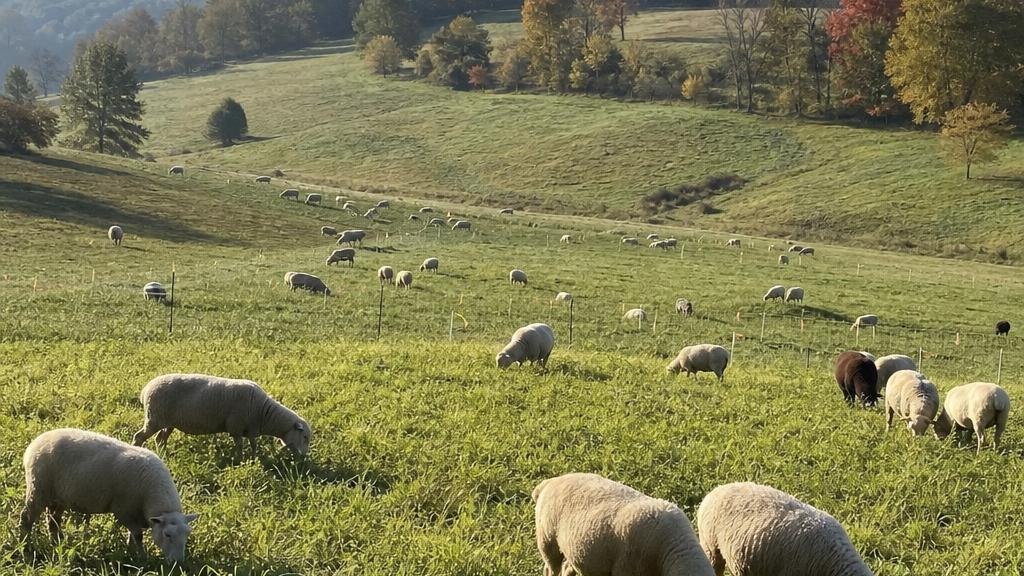
The shift toward shorter days and cooler temperatures signals a critical turning point for pasture management in any sheep operation. While the vibrant growth of spring might be a distant memory, the choices made during these fall months dictate the overall health and productivity of your flock as they transition into the colder season. Maintaining steady forage availability requires a careful balance between current grazing pressure and the long-term health of your fields, ensuring that your animals receive the nutrients they need while protecting the underlying soil and root structures for next year.
Successful fall grazing relies less on the sheer volume of grass and more on the intentional management of available inventory. By paying close attention to how your animals move across the landscape and what they consume, you can extend the grazing season effectively. This approach not only lowers the immediate demand for stored hay but also provides a more natural dietary transition, allowing your livestock to better adjust to the changing environment while preserving your bottom line. It is about working with the natural cycle of the land to get the most from every acre.
The Necessity of Strategic Rotational Grazing
Rotational grazing serves as the backbone of efficient land management, especially during the fall when forage growth rates begin to decline significantly. By keeping animals moving through smaller, well-defined paddocks, you prevent the selective grazing behavior that often leads to over-exploiting preferred plant species. This practice forces a more uniform utilization of the available forage, which in turn helps manage weed pressure more effectively. When animals are moved regularly, they are less likely to return to the same spot before the vegetation has had a chance to rest and rebuild its carbohydrate reserves in the root zone.
Implementing Simple Paddock Adjustments
To keep your rotation plan running smoothly as the grass slows down, consider these practical steps:
- Use lightweight, portable electric fencing to subdivide larger areas into smaller, more manageable units.
- Track the number of days each group spends in a specific paddock to prevent excessive trampling.
- Identify high-traffic areas such as watering stations or shaded spots and rotate your infrastructure to avoid creating muddy, denuded patches.
- Adjust your movement frequency based on the visual height of the forage rather than a rigid calendar schedule.
Maintaining Proper Body Condition Scores
The fall season is the ideal window for monitoring the body condition scores of your animals. As the nutritional value of forage changes, some individuals may begin to lose weight faster than others. You should regularly handle your livestock to feel the fat cover over the ribs and spine, rather than relying solely on their outward appearance, which can be deceiving due to heavy winter coats. Keeping animals in a steady, moderate body condition during this transition period is vital for their maintaining steady condition throughout the colder months.
Strategic Stockpiling of Pasture
Stockpiling involves setting aside certain areas of your property during late summer and allowing the forage to accumulate for use later in the autumn. This stored-on-the-stump forage can serve as a vital energy source as ambient temperatures drop. When choosing areas for stockpiling, prioritize fields that are well-drained and have a healthy cover of hardy grasses. By restricting access to these specific areas until later in the season, you essentially bank your grass for a time when new growth is non-existent. This strategy works best when combined with light fertilizer applications earlier in the summer to boost yield, provided the soil tests support such additions.
Prioritizing Parasite-Aware Grazing Practices
While the risk of certain internal parasites may decrease as the weather cools, the concern remains a central focus for any responsible livestock manager. Managing pastures in a way that minimizes the intake of larvae is essential. Avoid grazing your sheep too close to the ground, as the highest concentration of parasite larvae is typically found in the bottom two inches of the forage. By maintaining a higher residual height, you reduce the chances of your animals ingesting parasites while they graze. If you are interested in exploring specific nutrition for your animals, you can view our range of products at Goat & Sheep Nutrition to find options that suit your flock.
Refining Mineral and Supplement Programs
As the nutrient profile of your pasture changes, the role of a high-quality mineral program becomes increasingly apparent. Ensuring your flock has continuous, free-choice access to minerals that are specifically formulated for sheep is a non-negotiable aspect of fall management. These minerals provide the foundational elements that might be lacking in dormant forage, helping to balance the animal’s diet. Always ensure that the mineral blocks or loose mixes you offer are clearly labeled as safe for your specific livestock, as sheep have unique copper requirements that differ significantly from other animals on the farm.
Know When Pasture Is No Longer Enough
A grazing plan should include a stop point. When sheep must bite too close to the ground, body condition begins slipping, or wet weather turns gateways into mud, moving to a sacrifice area and feeding tested hay may protect both flock and pasture. Sort animals by nutritional demand when practical, since growing lambs, late-gestation ewes, and maintenance animals are not interchangeable groups. Keep clean water available and use feeders that limit hay contamination and waste. For parasite decisions, combine pasture observations with an established monitoring program and professional advice rather than relying on the calendar alone. Nutrition supports resilience, but feed is not a treatment for parasites.
Closing Thoughts on Practical Stewardship
Managing a healthy flock through the transition from summer to winter is a challenging but rewarding effort that highlights the importance of consistent observation and flexible management. By focusing on the health of your soil, the quality of your rotational grazing, and the individual needs of your animals, you build a sustainable foundation that benefits both the farm and the livestock. Small, consistent adjustments to how you move your animals and how you monitor their well-being will yield tangible results over the coming months. If you are looking to source local feed or supplements to support your winter preparation, feel free to visit our dealer locator to find a provider near you.