 Dogs & Cats
 Cattle
 Equine
 Poultry
 Swine
Swine Goats & Sheep
 Game Bird
 Gamecock
 Deer & Wildlife
 Fish & Pond
 Rabbit
 Specialty
 Ingredients & Bulk
 Special Order
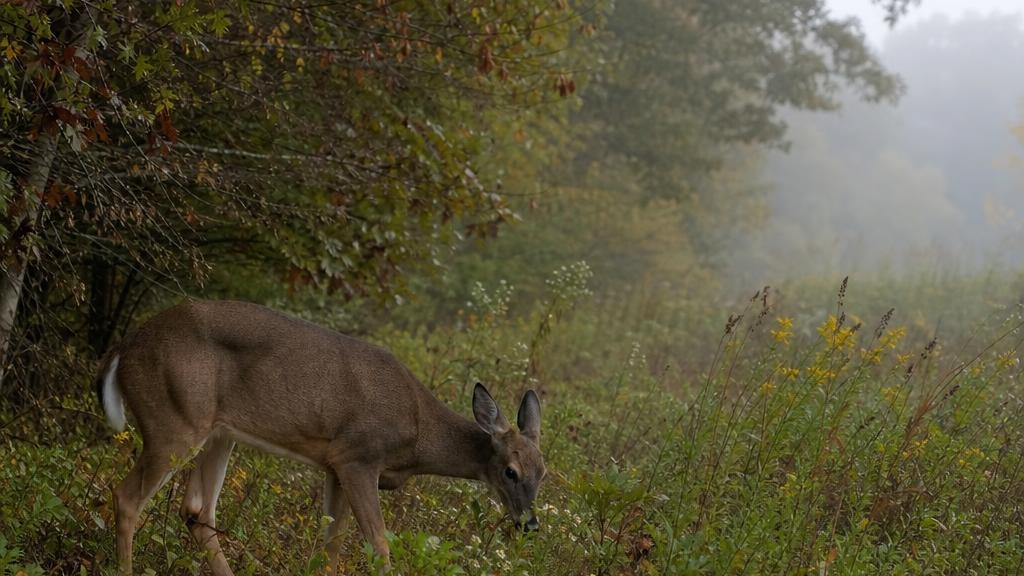
As the days grow shorter and temperatures begin their steady decline, the focus for any land manager shifts toward the immediate nutritional needs of the local deer herd. Nature has a way of signaling the change, yet the transition from the lush growth of summer to the dormant phases of late fall can create a significant gap in available energy. Managing this period requires a keen eye on the landscape and a commitment to keeping the habitat functioning at its peak potential. It is not just about what you can provide in a feeder; it is about recognizing what the land is already offering and where the gaps might exist that require a steady, helping hand to ensure the herd enters winter in good standing.
The health of your deer population is deeply tied to the quality of their environment. When we talk about carrying capacity, we are looking at the upper limit of what the woods and fields can support before the vegetation begins to suffer from over-browsing. Understanding this balance is the first step in successful stewardship. By managing the native browse and ensuring that food plots or supplemental resources are utilized correctly, you are investing in the long-term stability of the habitat. This approach keeps the land vibrant and helps maintain a healthy balance between the needs of the wildlife and the productivity of the soil.
Evaluating the Current State of Your Native Browse
Before adding anything to the landscape, walk your property to see what the deer are actually eating. Native browse—the tender twigs, buds, and leaves of woody plants—serves as the foundation of a deer’s diet. In many areas, the availability of these plants dictates the general health of the herd. If you notice heavy browse lines on the lower branches of saplings or bushes, the land may be nearing its limit. Taking stock of these native food sources helps you decide how much pressure your food plots or supplemental feed stations will need to absorb as the season progresses.
The Critical Role of Hard and Soft Mast
Acorns and other forms of mast are the golden ticket for deer during the fall. A good year for oak production often translates to a herd that remains in excellent condition well into the first frosts. You should identify which tree species on your property are providing this essential energy and protect those areas from excessive disturbance. If your land lacks diversity in hard mast, creating small clearings or encouraging fruit-bearing shrubs can add variety to the diet. Keep in mind that reliance on a single food source is risky; a late spring frost can wipe out an entire acorn crop, leaving the deer looking for alternatives.
Soil Health as the Engine for Forage
Everything starts with the dirt. If your food plots are failing to thrive, it is almost certainly a sign that the soil chemistry needs attention. Fall is a prime time to pull soil samples and determine exactly what nutrients are missing. Applying lime or fertilizer based on these specific test results is far more effective than guessing. When the soil is balanced, the plants grown on it are more nutrient-dense and palatable. Healthy soil produces stronger plants, which in turn support the digestive efficiency of the deer, especially when they need to use available fall forage for the winter months.
Best Practices for Food Plot Success
- Test your soil at least once every three years to track nutrient depletion.
- Choose seed varieties that are hardy for your specific climate zone and rainfall patterns.
- Rotate your crops to prevent the buildup of soil-borne pathogens and to keep the earth fertile.
- Plant in areas with adequate drainage to prevent crop rot during heavy autumn rains.
Strategic Supplemental Feeding Practices
Supplemental feeding is not a substitute for adequate habitat, and concentrating deer can increase vegetation damage and disease-transmission concerns. Before putting out feed, check current state wildlife rules and disease advisories; feeding or baiting may be restricted or discouraged. Where it is legal and part of a plan developed with a wildlife professional, use only feed labeled for deer, keep equipment clean, and continue improving native browse, mast, water, and cover.
Creating Secure Cover and Thermal Protection
Deer are creatures of habit and security. As leaves fall and visibility increases, they will naturally move toward areas that offer thick cover. Providing dense patches of native grasses or overgrown transition zones helps them feel secure throughout the day. This cover acts as a buffer against the wind and helps them conserve heat, reducing the amount of energy they must burn just to stay warm. A well-managed property has a mix of open feeding areas and sheltered bedding sites, creating a sanctuary where the deer can rest after grazing.
Reduce Concentration Around Feeding Sites
Any place that repeatedly concentrates deer can also concentrate waste, damaged vegetation, and opportunities for disease transmission. That is one reason habitat work should come before a feeder. If supplemental feeding is legal and appropriate in your area, learn current wildlife-agency rules before beginning, keep equipment clean, and avoid treating feed as a substitute for browse and cover. Regulations can change during disease-management efforts, and neighboring properties affect the same herd. A local wildlife biologist or Extension professional can help interpret browse pressure and recommend habitat practices suited to the soils, deer density, and objectives on your property.
Long-Term Planning for Herd Resilience
Building a resilient habitat is a marathon, not a sprint. Consider how your actions today will affect the vegetation three, five, or ten years from now. Thinning overgrown sections of the forest can allow sunlight to reach the floor, stimulating the growth of forbs and grasses that deer prefer. Implementing a rotational cutting schedule or controlled burns can rejuvenate plant communities, ensuring that the next generation of deer has even better resources. Browse our full range of nutrition and management solutions at wildlife products to see how you can support your goals. Practical takeaways for the landowner include following the soil laboratory's testing interval, protecting existing mast-producing trees, monitoring browse pressure, and checking wildlife-agency guidance before any supplemental feeding. For more guidance on managing your specific acreage, please visit our dealer locator page to find local expertise.