 Dogs & Cats
 Cattle
 Equine
 Poultry
 Swine
Swine Goats & Sheep
 Game Bird
 Gamecock
 Deer & Wildlife
 Fish & Pond
 Rabbit
 Specialty
 Ingredients & Bulk
 Special Order

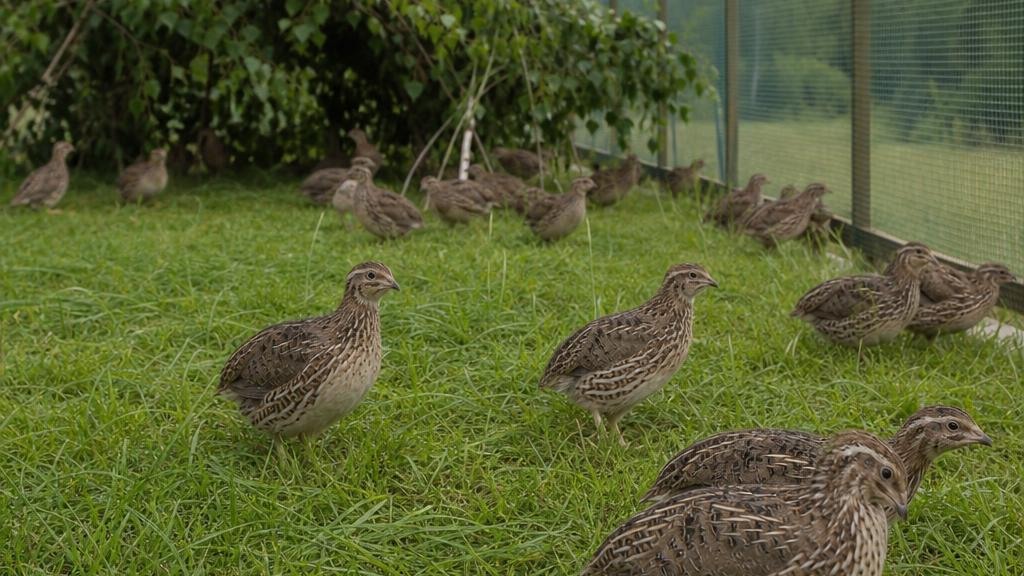
Getting your gamebird chicks off to a strong start requires careful preparation before the eggs even hatch. A clean, draft-free brooder is the foundation of sound husbandry. You must ensure the flooring provides enough traction for fragile legs, because secure footing supports normal movement. Always sanitize your equipment well in advance of chick arrival and let it dry before chicks arrive that thrive in warm, humid brooding conditions. Consistent temperature control remains the most critical factor during these initial weeks, as chicks cannot regulate their internal thermostats like adult birds can. Monitoring the behavior of the flock will tell you more about the comfort level than any thermometer ever could. If they huddle tightly beneath the heat source, they are chilled, but if they push hard against the walls and avoid the center, they are likely overheating. Aim for a balanced distribution where birds are active, feeding, and resting comfortably throughout the brooder floor space. You may review our full catalog of options for your birds at specialty.
Beyond temperature, managing airflow without creating harsh, direct drafts is essential for respiratory health. Proper ventilation removes excess moisture and ammonia buildup, both of which can compromise the delicate respiratory tracts of young gamebirds. Consider using a heat lamp or radiant heat plate that allows birds to find their own comfort zone. Keep the feed and water sources at the edge of the heat zone to encourage activity, but ensure the water does not become too warm, as this can discourage intake. A consistent, quiet routine will keep the birds from becoming skittish, which is particularly important for species intended for future flight. By establishing a calm and predictable environment early on, you set the stage for better growth rates and stronger feather development as they mature.
Nutritional Foundations for Early Growth
Young gamebirds have high protein requirements because they are building muscle and feathers at an incredible rate. During the first few weeks, providing a high-quality starter crumble ensures they receive the necessary amino acids for rapid structural development. It is tempting to offer treats or supplemental grains early, but these can dilute the balanced nutrient profile needed for steady growth. Keep the feed clean, dry, and accessible at all times, as these birds have very high metabolic rates and cannot handle long periods without sustenance. Observe their intake habits closely; if you notice birds picking through the feed rather than consuming it fully, the particle size might be inappropriate for their age group. Consistent access to fresh, cool water is just as important as the feed itself, as intake of both is closely linked. Dehydration can stall growth faster than a short-term feed shortage, so check waterer cleanliness daily to prevent biofilm accumulation.
Managing the Transition to Flight Pens
Moving birds from the brooder to the flight pen is a major milestone that requires patience. Sudden changes in environment can trigger stress, which often leads to piling and suffocation or poor settling. Start by hardening the birds off to ambient temperatures a few days before the move, if the seasonal conditions allow. Ensure the flight pen is fully prepped and secure long before the birds are introduced. The goal is to provide a gradual introduction where they have ample room to explore and get acclimated to natural ground cover and varying light conditions. Remember that even mature birds benefit from a period of observation during the first forty-eight hours in a new outdoor space. Keep feeders and waterers in the same relative configuration they were accustomed to in the brooder, as this provides a sense of familiarity during the transition phase. Gradually introduce local vegetation or natural perching opportunities as they gain confidence in their new surroundings.
Biosecurity and Predator Prevention
A beautiful flight pen is useless if it does not protect the birds from local wildlife and potential disease vectors. Predator-proofing requires burying wire mesh deep into the ground to prevent burrowing animals and installing strong netting overhead to keep out aerial threats. Check the perimeter fence weekly for small gaps that could allow rodents or smaller predators to enter.
- Use hardware cloth instead of standard chicken wire for the lower sections of the pen.
- Elevate feeders to prevent attracting rodents that bring pathogens into the area.
- Keep the area immediately surrounding the pen clear of high weeds and debris where predators might hide.
Maintaining high standards of biosecurity is a daily practice, not a one-time setup. If you notice a sudden drop in feed intake or lethargic behavior, investigate the environment for potential contaminants or evidence of nighttime predator activity.
Use a Daily Observation Routine
Walk the pen at the same times each day and pause before birds react to your presence. Note how they are distributed, whether crops appear filled, how quickly they approach water, and whether feathers remain smooth and clean. Then inspect litter moisture, spilled feed, droppings, damaged netting, and signs of rodents. Record unusual findings and correct environmental causes early. Remove any sick or injured bird to an appropriate separate space and seek experienced veterinary or Extension guidance when losses, breathing changes, neurologic signs, or a sudden intake decline appear. Good records also make it easier to compare broods and improve brooder setup, stocking decisions, and transfer timing next season.
Ensuring Optimal Bird Health
The health of your flock is largely determined by the quality of your management. By focusing on clean water, consistent feed delivery, and a low-stress environment, you minimize the common pitfalls that hobbyists and producers often face. Always keep a close eye on the birds during the final weeks of development, as this is when they begin to exhibit their adult characteristics and flight patterns. If you find yourself facing specific challenges with your current setup, it is helpful to consult with local professionals who understand your specific regional climate and bird species. For those needing additional support, check out our resources at dealer locator. Taking a practical, step-by-step approach to their development ensures that the birds you raise move through each stage in good condition, whether for conservation, release, or exhibition purposes. Focus on the basics, keep the pen clean, and enjoy the process of watching your birds mature in a healthy, well-managed system. Practical takeaway: Monitor your birds daily for behavioral changes such as piling or picking, as these are the earliest indicators that your environmental management needs adjustment before health issues arise.