 Dogs & Cats
 Cattle
 Equine
 Poultry
 Swine
Swine Goats & Sheep
 Game Bird
 Gamecock
 Deer & Wildlife
 Fish & Pond
 Rabbit
 Specialty
 Ingredients & Bulk
 Special Order

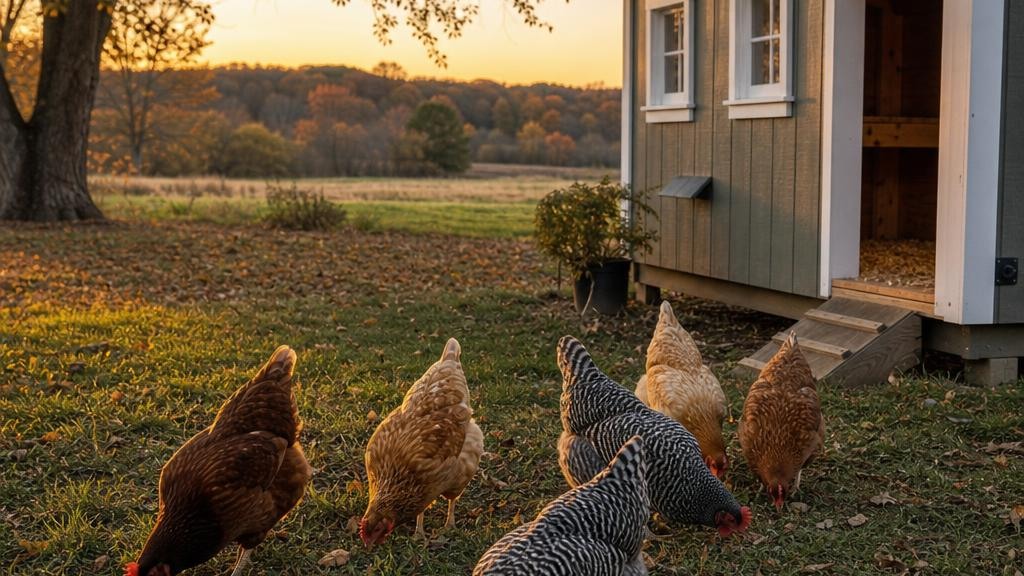
When the crisp air of autumn settles over the farm, you might notice your hens spending more time tucked away or lingering near the coop entrance. This change in behavior is a direct reaction to the shifting photoperiod, which signals to the bird that winter is approaching. Even if you maintain a steady routine, the biological clock inside your chickens is responding to the reduction in natural daylight, leading to a natural decline in egg production and often the initiation of the annual molt. It is a time when the birds focus their energy on repairing feathers and preparing their bodies for the colder months ahead rather than continuous laying.
Managing a flock through these shorter days requires a shift in how you think about nutrition and environment. While it is tempting to try and force birds to produce eggs through extreme measures, respecting the natural rhythm of the animal is often the most sensible path for long-term health. By providing consistent access to a balanced diet and clean water, you support the bird's internal systems during this energy-intensive period. This approach reduces stress on the flock and ensures that your hens remain in good condition until the longer days of spring return to stimulate their cycle once again.
Monitoring Changes in Feeding Patterns
During the transition to shorter days, you will likely notice your flock’s intake habits begin to change. As the birds enter a molt, their nutritional needs prioritize protein for growing new feathers rather than calcium for eggshells. Keeping a close eye on their daily consumption allows you to adjust your management style accordingly. If you offer a high-quality, complete ration formulated for laying birds, it should contain the necessary balance of proteins, amino acids, and minerals required during this phase. You can find our specific dietary options for your flock here: poultry. It is rarely necessary to supplement heavily, provided the foundation of their diet remains steady and reliable.
The Role of Supplemental Light
Many folks consider installing artificial lighting to keep egg production steady when the days shorten. While this is a common practice, it requires careful consideration to avoid disrupting the birds' health. If you choose to add light, a modest extension to provide a consistent schedule developed from reliable poultry guidance matters. It is vital to use timers rather than manual switches to ensure consistency, as irregular light patterns can cause more stress than no artificial light at all. Always remember that the quality of the light environment matters just as much as the duration.
Safe Lighting Practices for the Coop
- Ensure all electrical wiring is shielded from curious beaks.
- Use light bulbs that are specifically rated for dusty, agricultural environments.
- Place lights high enough that birds cannot touch them or knock them down.
- Check connections frequently for moisture or loose wires.
Maintaining Optimal Hydration
Water is frequently the most overlooked component of flock health during the cooling months. Even though the temperature is lower, birds still need constant access to clean, liquid water to metabolize their feed efficiently. If your water sources freeze overnight, the hens may stop eating, which stalls their internal processes and makes them more susceptible to cold stress. Using a safely installed cold-weather water system can save you countless trips to the barn with a bucket of hot water. When the flock stays well-hydrated, they are much better equipped to handle the metabolic demands of growing their new winter coat.
Managing the Annual Molt
The molt is a demanding process where hens shed old feathers to make room for new growth. This usually happens in the fall as daylight fades. You might walk into the coop and find it covered in feathers, which can be quite a shock if you are a new keeper. During this time, the birds are essentially on a metabolic vacation from egg laying. Their bodies are redirecting every available ounce of energy to building new, high-quality feathers. They will be more sensitive to cold during this process, so ensure they have a draft-free coop where they can tuck themselves away comfortably.
Keeping the Coop Environment Dry
As the days get shorter, the humidity inside the coop can become a significant challenge. Birds breathe out a considerable amount of moisture, and with less ventilation in the colder evenings, that moisture can collect on the bedding. A damp environment is the enemy of a healthy flock, especially during a molt. Periodically turning over the litter and removing any wet patches near the waterers will keep the atmosphere clean. Dry birds are warm birds, and maintaining a clean floor is the most effective way to prevent respiratory irritation as the seasons turn.
Reviewing Your Long-Term Flock Strategy
Take this quieter time in the laying cycle to observe your flock and decide which birds are thriving and which might need extra attention. It is a good time to cull the coop of any hazards and ensure that all equipment is in working order for the coming winter. Being proactive with your infrastructure now prevents a headache when the ground freezes and the weather turns nasty. Whether you are focusing on young pullets or seasoned layers, keep a log of how they are handling the transition to ensure you have the data needed to make improvements for next year.
Keep Calcium in Its Proper Place
Laying hens need calcium for shell formation, but extra calcium should not replace a complete ration. Offer an appropriate calcium source separately so actively laying birds can consume it according to need, while keeping the balanced feed as the main meal. Avoid stretching feed with large amounts of scratch grain or table scraps; dilution also dilutes amino acids, vitamins, and minerals at the time feathers are being rebuilt. Pullets and nonlaying birds have different needs from mature layers, so use the purpose statement on the feed tag. A consistent feeder, rather than a collection of seasonal treats, gives you a clearer picture of true intake.
Summary of Seasonal Management
- Keep feed intake steady with a high-quality, complete ration.
- Ensure access to liquid, clean water through heated base solutions.
- Monitor the coop for excess moisture and improve ventilation where necessary.
- Avoid sudden changes in routines to minimize unnecessary stress.
Practical takeaway: Focus on steady, reliable nutrition and dry housing during the shorter days of autumn to support your flock’s natural molt and overall health. For localized guidance and supplies, visit our dealer locator to find someone nearby who can help with your specific regional needs.