 Dogs & Cats
 Cattle
 Equine
 Poultry
 Swine
Swine Goats & Sheep
 Game Bird
 Gamecock
 Deer & Wildlife
 Fish & Pond
 Rabbit
 Specialty
 Ingredients & Bulk
 Special Order
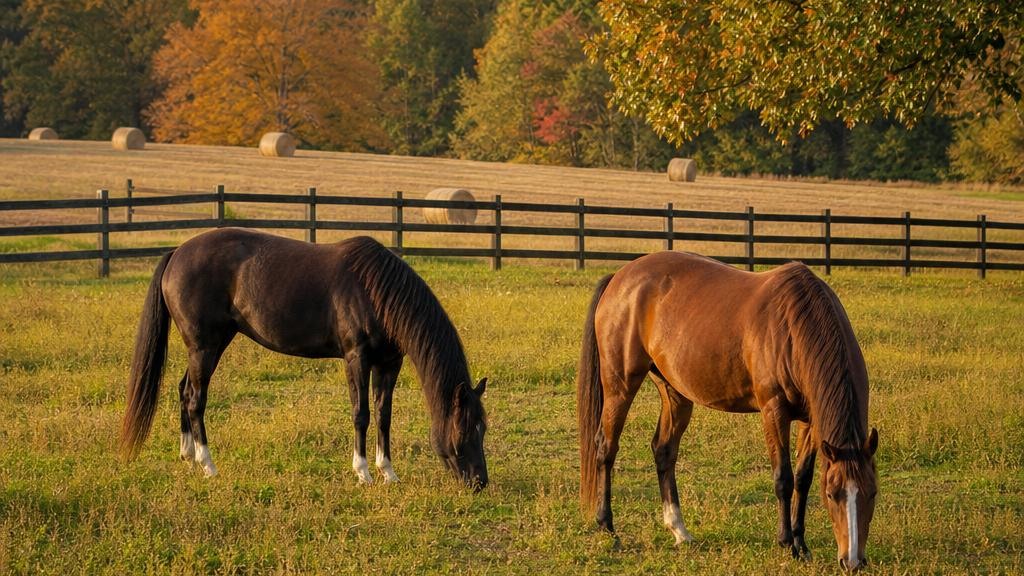
The transition from late summer to fall represents a critical time for equine managers who rely on grazing to meet a significant portion of their daily dietary requirements. As the days shorten and ambient temperatures drop, the rate of pasture growth slows down across most regions. Many horse owners notice their fields looking a bit tired after the active summer months, which is a natural signal that it is time to adjust your approach. Keeping a close watch on your forage height is a practical way to gauge when you should start supplementing with stored feeds. If the grass falls below a few inches, horses often spend more energy trying to graze than they receive in nutritional value from those sparse clippings. By starting your planning early, you avoid the common stress of a sudden scramble when the first frost finally arrives. This proactive shift allows the digestive system of your equine companions to adjust gradually to new feed sources rather than dealing with a frantic last-minute switch.
Understanding the specific nutritional gaps in your local grazing environment helps you make informed decisions about your supplemental feeding program. While grass remains a staple, the overall sugar and protein profiles change as plants enter their dormant state. Providing extra support before the pasture becomes truly barren helps maintain body condition scores at a healthy level. It is far easier to keep a horse at a stable weight throughout the winter than it is to help them regain lost condition once the coldest weather sets in. Think of this period as setting the foundation for the months ahead by ensuring your hay stores are ready and your feeding routines are well-established. Consistent observation and small, calculated adjustments to your forage supply can make a world of difference in how your horses feel and perform as the seasons turn.
The Importance of Forage Testing
Not all hay is created equal, and assuming that a bale is high-quality simply by looking at it can lead to frustration later. Taking the time to have your hay tested through a reliable lab provides you with the exact nutrient profile of what you are feeding. This analysis typically covers key components like dry matter, crude protein, and essential minerals. Knowing these numbers allows you to match your supplemental grain or ration balancer more accurately to the forage provided. If your hay is lower in protein than you anticipated, you can adjust your ration to make up the difference, ensuring your horse does not lose muscle mass. Most reputable regional labs provide clear, easy-to-read reports that take the guesswork out of your winter feeding strategy. If you are buying your hay in bulk, try to pull samples from several different bales within the same lot to get a representative average of your total supply.
Selecting the Right Quality
When selecting your winter forage supply, look for these key indicators during your visual inspection:
- A clean, fresh scent without any signs of mold or mustiness.
- A consistent color that avoids excessive bleaching or dustiness.
- Proper texture, meaning a good ratio of leaves to stems.
- Minimal weeds or foreign material in the bales.
Maintaining Proper Body Condition
Keeping an eye on your horse's body condition score during this transition is vital. You should aim to feel the ribs under a light layer of cover rather than seeing them clearly or struggling to find them under excess fat. As the weather turns, horses use more energy simply to stay warm, especially if they are kept outdoors for most of the day. Providing adequate high-quality hay ensures they have enough fiber to ferment in the hindgut, which acts like an internal furnace to generate body heat. If you notice a drop in condition, it is usually better to increase the quantity of high-quality hay first rather than simply adding more grain. Fiber is the cornerstone of the equine diet, and plenty of it encourages healthy digestive activity. Always document your observations so you can track progress over time. This record-keeping habit helps you identify trends in your horse's health that you might otherwise overlook during the busy daily routine of barn chores.
Water Intake and Digestive Health
We often think about hay when we discuss forage, but water is the most important nutrient in the entire equation. As horses shift from fresh pasture to drier hay, their water consumption must increase to keep the gut hydrated. Proper hydration is essential for supporting normal digestion, especially as horses consume more dry forage when horses consume large quantities of dry forage. Make sure that water troughs are scrubbed regularly and that the water is always fresh and ice-free as the temperature drops. Some horses are picky about the temperature of their water in the winter, and using a tank heater can encourage them to drink more. Monitoring intake is a great way to ensure that your horse is comfortable and that their digestive system is functioning smoothly regardless of the outdoor conditions. If you see a dip in water consumption, check your source, ensure the tank is clean, and monitor the animal closely for any changes in their normal behavior.
Safe Feeding Routines
Establishing a predictable feeding schedule helps minimize stress for your horses. Animals are creatures of habit, and knowing when to expect their hay helps keep them calm during the busy transition months. If you are introducing a new type of hay, do so slowly over several days to allow the digestive bacteria to adapt. Start by mixing small amounts of the new hay with the old, gradually increasing the ratio until you have made a complete switch. This cautious method reduces the risk of colic or other digestive upsets that can come from sudden dietary changes. For those looking to browse options for their specific needs, please visit our equine catalog to see what works best for your herd. Keep your feeding area clean and organized to reduce waste and make the daily process efficient and safe for both you and your horses.
Practical Takeaway
Start your fall transition by testing your hay supply and gradually acclimating your horses to their new winter diet while closely monitoring water intake and body condition scores to ensure a healthy, stress-free season. If you need assistance finding local supplies, please visit our dealer locator.