 Dogs & Cats
 Cattle
 Equine
 Poultry
 Swine
Swine Goats & Sheep
 Game Bird
 Gamecock
 Deer & Wildlife
 Fish & Pond
 Rabbit
 Specialty
 Ingredients & Bulk
 Special Order

Is Your Pet at a Healthy Weight? A Hands-On Body Condition Check
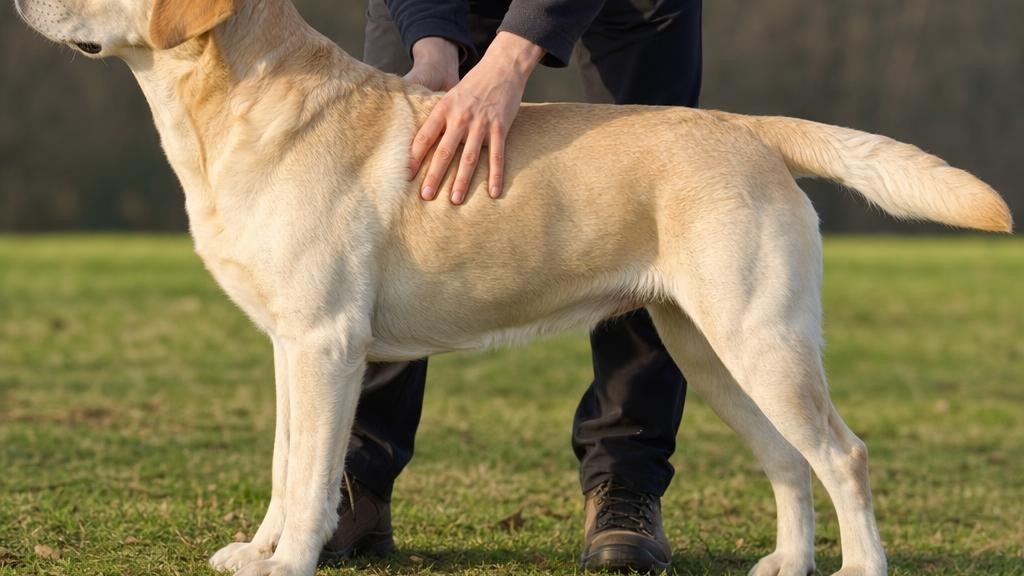
When we look at our four-legged companions every day, it is easy to miss subtle changes in their physical shape. Because we see them constantly, weight gain often creeps up slowly, making it difficult to notice until it starts affecting their energy or movement. Taking a hands-on approach to monitoring your pet's body condition is a simple, effective way to help them live a long and comfortable life by your side. You do not need expensive equipment or specialized knowledge to get started, just a few moments of your time and an observant eye.
Understanding what constitutes a healthy physique for a dog or cat involves looking at more than just the scale. Different breeds and mixed varieties have unique frames, which is why focusing on physical landmarks is more reliable than following a generic weight chart. By learning how to perform a basic body condition assessment at home, you become a proactive partner in your companion's wellness. Let us walk through how to keep those tails wagging and those purrs steady by keeping them in top physical shape.
Understanding the Ribcage Landmarks
The first place to start your check is with your pet's ribs. When your companion is at an ideal weight, you should be able to feel their ribs easily without needing to press down hard through a thick layer of fat. Imagine the way the back of your own hand feels when you run your fingers over your knuckles; that is roughly the sensation you should encounter. If you have to press firmly to find the ribs, or if you cannot feel them at all, that is a clear signal that your friend might be carrying a bit too much weight for their frame.
Assessing the Waistline from Above
Once you have checked the ribs, move to the top view. Stand over your pet and look down at their back while they are standing on a level surface. You are looking for a noticeable waistline just behind the ribs. Most healthy pets should have a distinct hourglass shape. If the silhouette looks straight like a tube or even rounds outward, this is a sign that they are likely carrying extra weight. A proper waist is essential for healthy movement and agility, especially as they get older.
Observing the Abdominal Tuck
The third major check is the profile view, or the side view. When you stand to the side of your pet, their belly should rise upward behind the ribs toward their hind legs. This is known as an abdominal tuck. A pet that lacks this tuck often appears heavy or saggy in the midsection, and deserves a closer look alongside the other body landmarks. While some breeds are naturally sturdier than others, an obvious upward slope is a hallmark of a fit and active animal. Keeping this curve clear helps them navigate stairs, jump into the truck, and chase down toys with much more ease.
Refining Your Daily Feeding Routine
- Measure meals: Feeding time is a great opportunity to reinforce good habits, and dividing the daily ration into consistent meals can be easier to track than leaving food out all day.
- Count extras: Most of us want to show love through food, but treats and rewards contribute to total daily intake.
- Use the pet in front of you: Bag guidelines are starting points. Adjust portions with veterinary guidance according to actual body condition, activity, and progress.
Managing Treats and Table Scraps
We all love sharing a snack, but calories from treats add up faster than most folks realize. If you tend to share table scraps, remember that a snack that looks small to a person may represent a meaningful share of a small pet's daily calories. If you find your pet is trending toward the heavier side, start by cutting back on all non-essential snacks first. Focus on building the bond through activities instead of food. Take an extra loop around the pasture or play an extra five minutes of fetch. You can find quality options for various needs in our online catalog to ensure you are selecting the right nutrition for their life stage.
When to Reach Out for Professional Advice
If you notice a sudden shift in your pet's shape, or if you are struggling to manage their weight despite your best efforts, it is always a good idea to chat with your veterinarian. Sudden changes can sometimes signal health issues that have nothing to do with food. A professional can help you determine the specific goals for your individual pet and provide a targeted plan that is safe for their specific lifestyle. They can also perform a professional body condition score to provide a baseline for your home checks moving forward.
Use Trends, Not a Single Snapshot
One home check is useful, but a series of checks tells the real story. Take a side and overhead photo each month on the same level surface, and record weight when you have access to a suitable scale. For a small pet, weigh yourself while holding the animal and subtract your own weight; recognize that this is only an estimate. Keep food changes modest and reassess rather than making sharp cuts. Cats should never be put through abrupt fasting, and any intentional weight-loss plan is best discussed with a veterinarian. Bring your notes, photos, food label, measuring tool, and treat list to that conversation so recommendations reflect what the pet actually receives.
Building a Sustainable Lifestyle
Consistency is the secret ingredient. It is far easier to maintain a healthy weight than it is to take it off later. By keeping these regular assessments in your routine, you can make small, subtle changes to their daily portions before a few pounds turn into a bigger concern. Your companion relies on you to make these choices for their long-term health and mobility. With a watchful eye and a steady hand, you can ensure they remain active and happy for years to come. If you are looking for more guidance on nutrition or finding the right local support, please visit our dealer locator to connect with a partner near you.
Practical takeaway: Perform a rib, waist, and tuck check every two weeks to stay ahead of weight changes; if you cannot easily feel the ribs or see a waist, slightly reduce daily portions and track progress consistently.