 Dogs & Cats
 Cattle
 Equine
 Poultry
 Swine
Swine Goats & Sheep
 Game Bird
 Gamecock
 Deer & Wildlife
 Fish & Pond
 Rabbit
 Specialty
 Ingredients & Bulk
 Special Order
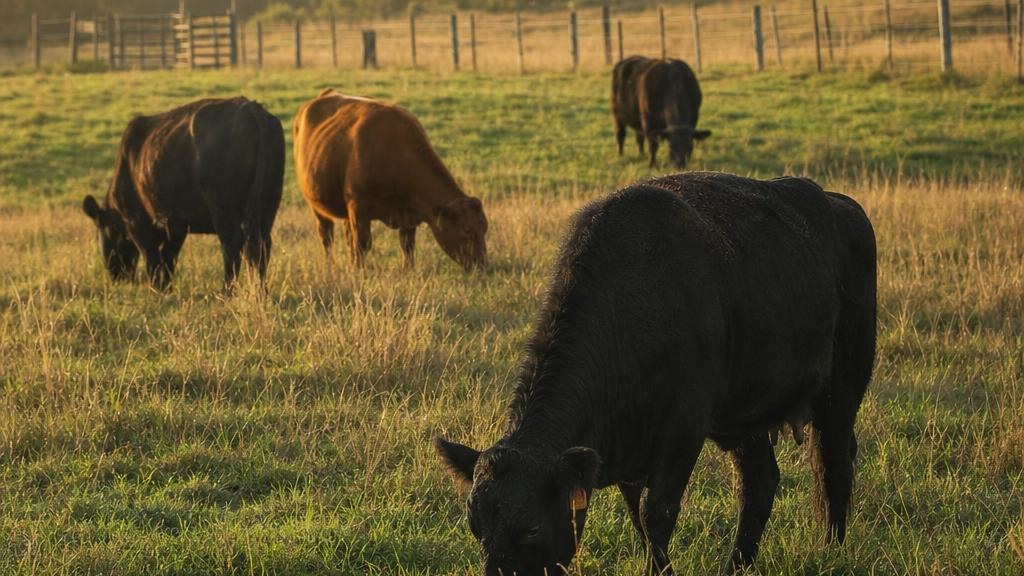
As the heat of August begins to wane, many of us in the cattle business start noticing that familiar change in the pasture. The lush, vibrant grasses that carried our herds through the early months are beginning to lose their punch, turning a bit browner and tougher by the day. This is the time when good management truly sets apart the folks who come out of the winter in good shape from those who spend the cold months playing catch-up. While it is easy to get busy with other farm chores, taking a moment now to assess your forage inventory and cattle condition is a smart move that pays for itself when the frost finally hits.
Preparing for the transition from peak forage to fall grazing is not about complex formulas but rather about observing how your livestock are reacting to the land. We know that forage quality drops when plants reach maturity, and even if there is still plenty of standing grass left in your fields, the actual nutritional value may not be what it was back in June. By looking ahead, we can manage our grazing rotations and supplemental strategies to keep the herd steady. It is all about meeting the animal where it is, balancing what the pasture provides with what the cattle need to maintain their energy through the coming months.
Evaluating Your Current Pasture Supply
Before making any big decisions, you have to get an honest look at what you have left in your paddocks. It is tempting to look at a field and see a lot of biomass, but high-fiber, low-protein grass can actually be a challenge for rumen function. Walk your fences and look at the stand density. Are the cattle grazing evenly, or are they picking through and leaving behind a lot of stemmy, mature material? Estimating your remaining grazing days helps you decide when to start rationing out the good grass or when to begin transitioning toward harvested forage or supplements. Consistency in this evaluation helps prevent that sudden drop in cow body condition that often happens when producers wait just a little too long to change their approach.
The Importance of Body Condition
Body condition scoring remains one of the most reliable tools we have for judging how our management is working. If you are not in the habit of putting a score on your cows, late summer is the perfect time to start. You want to feel for that condition over the ribs and hooks while the cattle still have some hair growth on them. A cow that goes into the winter with a solid, healthy frame is going to handle the stress of the changing seasons much better than one that is already showing her ribs. Think of this score as a baseline for the winter months. Maintaining that baseline is a lot easier than trying to add weight back on once the temperature drops and the cows are already burning extra energy just to stay warm.
Establishing a Gradual Transition
When it comes time to shift from summer pasture to fall grazing or to start introducing hay, do not rush the process. A sudden change in diet can upset the delicate balance of the rumen. Whether you are bringing in new bales or moving the herd to stockpiled fescue, try to make the switch over several days. This allows the microbes in the digestive system to adapt to the new feedstuffs. If you notice your herd is getting fussy or leaving feed on the ground, consider these practical steps to improve efficiency:
- Limit access to new stockpiled forage for a few hours each day at first.
- Ensure clean, fresh water is always available, as a dry cow will not eat effectively.
- Keep salt and mineral feeders accessible to help encourage consistent forage intake.
- Monitor manure consistency as an indicator of how the new diet is being utilized.
Supporting Nutrient Needs
When the forage starts to lose its nutritional value, your supplement program should be designed to support what is missing. The goal of any supplement is to help the cow better utilize the grass she is already eating. If you aren't sure where to start with your specific herd, consider these basic steps to get your program in order:
- Take inventory of your hay storage to understand what forage is available for winter.
- Review your past mineral consumption rates to identify any gaps in supplementation.
- Look at the specific nutritional requirements of your calf crop versus the cow herd.
- Review local cattle feed options and discuss with a dealer or nutrition professional what fits your current management style.
Maintaining a consistent feeding rhythm helps keep the herd calm and keeps the rumen functioning properly. Whether you are using blocks, loose mineral, or supplemental energy, the best practice is to place these supplies where they encourage grazing in underutilized parts of the pasture, rather than just piling them by the gate.
Put the Plan on Paper
A short written plan makes the transition easier to manage. Record which paddocks are available, the approximate number of grazing days in each, hay test results, cow groups, and the date you expect to begin each change. Separate cows with higher demands from mature dry cows when facilities allow; one blanket program may overfeed one group while leaving another short. Recheck body condition every few weeks from the same viewing angle and note changes rather than trusting memory. Weather can move every date on the plan, so treat it as a working document. The useful part is the sequence: measure forage, match cattle needs, introduce changes gradually, and verify the response.
Looking Ahead with Confidence
While the change of seasons brings more work, there is a certain comfort in being prepared. Managing your cattle during this transition is less about fighting the weather and more about working with the cycle of the land. By keeping an eye on your remaining forage, monitoring the condition of your cows, and making thoughtful, gradual adjustments, you position your farm for a smoother winter. Practical, consistent management today prevents a lot of stress when the cold wind finally arrives. Focus on the basics, keep your fences and water systems in check, and stay observant of how your herd moves through the changing landscape. For more information on how to support your herd, reach out to our team at our dealer locator.