 Dogs & Cats
 Cattle
 Equine
 Poultry
 Swine
Swine Goats & Sheep
 Game Bird
 Gamecock
 Deer & Wildlife
 Fish & Pond
 Rabbit
 Specialty
 Ingredients & Bulk
 Special Order

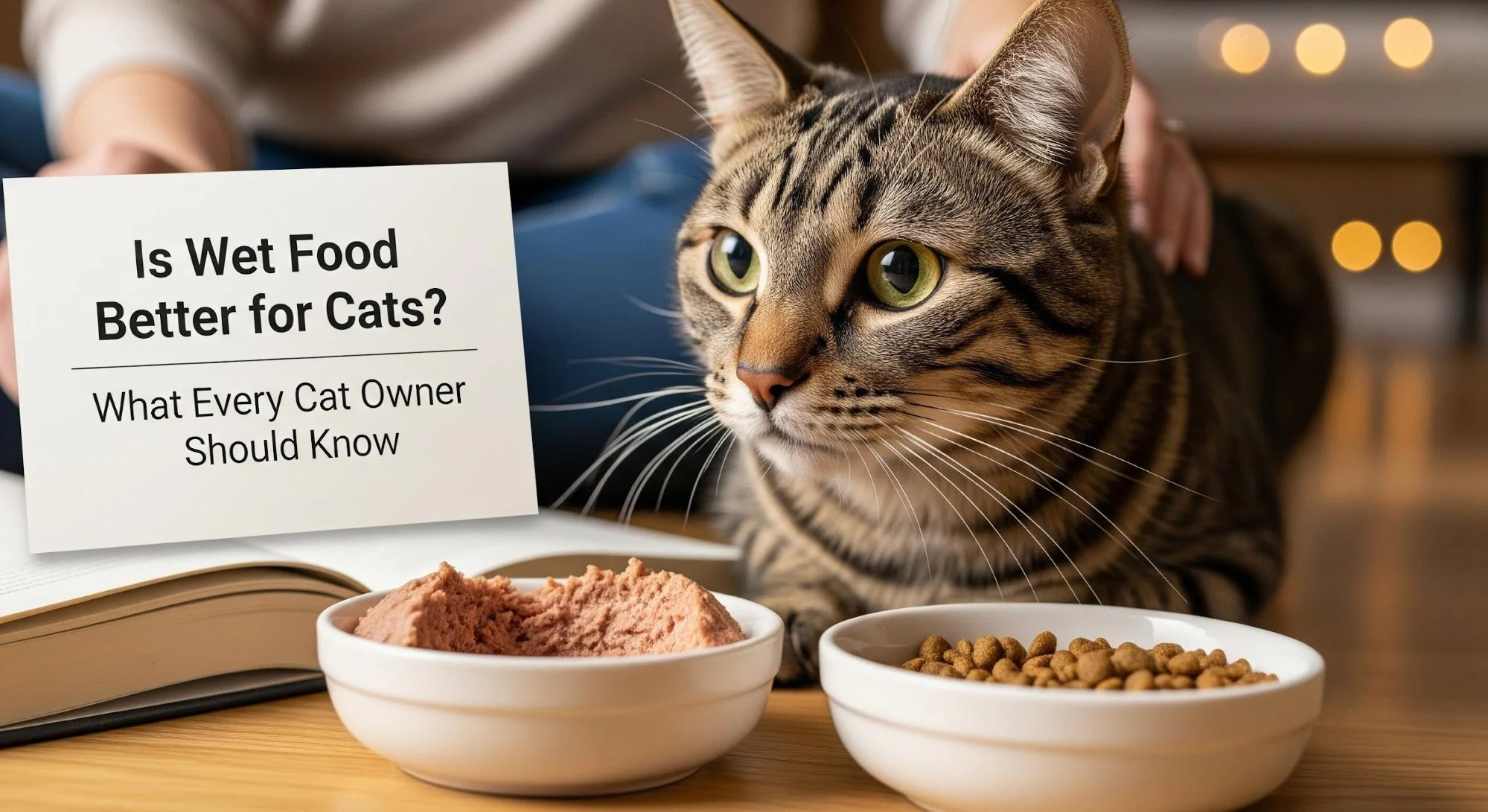
Most pet owners find themselves in the aisle of pet food and are confused by the options that are available to them when it comes to offering food to their feline counterparts. The probable question that is oft-repeated is: is wet food better than cats? This detailed guide will discuss the advantages, disadvantages and factors of wet cat food to enable you to make informed choice on what your cat eats.
Learning the Nutritional Needs of Your Cat.
Cats are obligate carnivores i.e. their organs are made to survive on meat diets. In the wild, cats get most of their moisture through consuming their prey which usually has around 70 percent of water. The same biological composition is preserved in domestic cats, and this is why it is essential to learn about hydration requirements of these animals when deciding on the types of foods to eat.
The Wet Cat Food Moisture Advantage.
The high moisture content of wet food is one of the greatest added values of wet food on cats. Wet cat food normally has 75-80 percent of water which is very similar to wetness in the prey. This is specifically so since cats are inherently low thirst drive, and they do not tend to drink sufficient water on their own.
- Proper hydration promotes a number of essential activities:
- Kidney condition and adequate kidney functioning.
- Health of UTI and prevention of crystal formations.
- Normal digestion and absorption of nutrients.
- Maintaining a healthy skin and coat.
- General metabolic activities.
Cats fed on dry food only are also prone to chronic mild dehydration and this, in the long run, can lead to a number of health disorders especially the urinary tracts and kidney disease. The added moisture in wet food also ensures that your cat is indeed well hydrated at all times of the day.
Nutritional Composition and Quality
In wet vs dry cat food, nutritional composition is interesting because it has differences. The wet food usually has a higher protein content and less carbohydrates than most of the dry food formulas. Cats do not need many carbohydrates in their food and therefore this protein rich low carb profile matches their biological requirements.
Protein Content Comparison
| Food Type | Average Protein Content | Average Carbohydrate Content |
| Wet Cat Food | 8-12% (as fed) / 32-48% (dry matter) | 3-5% (as fed) / 12-20% (dry matter) |
| Dry Cat Food | 26-32% (as fed) / 26-32% (dry matter) | 30-45% (as fed) / 30-45% (dry matter) |
The best wet cat food options will list real meat as the first ingredient and avoid excessive fillers, artificial preservatives, and by-products. Premium wet foods often contain organ meats and varied protein sources that provide essential amino acids like taurine, which is critical for heart and eye health.
Which is the Best Cat Food to Maintain Optimum Health?
The best cat food does not have a single answer when the owners of cats ask. The perfect food will be determined by the age of the cat, his or her health conditions, physical activity, and personal interests. Nevertheless, wet food is always considered the best option in satisfying the nutritional requirements of the feline as it is highly moisturized, contains the right amount of proteins and is digestible.
The ideal cat food must fulfill the following requirements:
- Animal protein is the major ingredient, which is of high quality.
- Low levels of carbohydrate and fillers.
- Necessary nutrients such as taurine, vitamins, and minerals.
- Proper moisture levels on hydration.
- No artificial colors, flavors and dangerous preservatives.
- AAFCO (Association of American Feed Control Officials) certification.
Weight Management Benefits

Wet food may be a good choice for cats with weight problems. Wet food contains a lot of moisture and thus is not as rich in calories than dry food. This enables the cats to consume a larger size of food intake with less amount of calories, which makes them feel full and satisfied.
The researchers have discovered that cats put in wet food diets had better weight management results than cats in dry food diets. The added satiety of wet food will be able to decrease the behaviors of begging and contribute to the normal body state.
Palatability and Pickiness
Most cats prefer wet food to dry kibble. The more powerful smell, the different texture, and the more improved taste endears wet food especially to picky eaters, older cats who lack sense, or the sickly cats who are losing their appetite.
The texture differences in wet food – pate to chunks in gravy to shredded ones – will allow you to find the variations that are suitable to the taste of your cat. This diversity can be used to avoid food boredom and promote regular eating patterns.
How Much Wet Food Should I Feed My Cat?
Determining how much wet food should I feed my cat depends on several factors including age, weight, activity level, and overall health status. As a general guideline:
- An average adult cat weighing 10 pounds requires approximately 200-250 calories per day
- Most 3-ounce cans of wet food contain 70-100 calories
- This means an average cat would need roughly 2-3 cans daily for complete nutrition
Daily Feeding Guidelines by Weight
| Cat Weight | Daily Calorie Needs | Approximate Wet Food Amount |
| 5 pounds | 180-200 calories | 2-2.5 cans (3 oz each) |
| 10 pounds | 200-250 calories | 2.5-3 cans (3 oz each) |
| 15 pounds | 250-300 calories | 3-3.5 cans (3 oz each) |
Always check the feeding guidelines on your specific cat food brand and consult with your veterinarian for personalized recommendations. Factors like pregnancy, nursing, growth, or medical conditions may require adjusted portions.
Potential Drawbacks to Consider
Although wet food has many advantages, one must remember about some considerations to take into consideration:
Cost Factor: Wet food is usually higher in cost per serving versus dry food. This difference in cost may be considerable in the long term with households having many cats.
Comfort: Wet food must be refrigerated once opened and it should not be left to the outside environment to spend long periods. This renders it less convenient in cases of free-feeding or in cases when pet owners are not around during long periods.
Dental Health: The crunchy texture of dry food may be beneficial in reducing the tartar formation according to some veterinarians, but studies on the advantage are inconsistent. Wet food in itself does not offer the same mechanical cleaning effect on the teeth.
Storage and Shelf life: When refrigerated, wet food has a short shelf life of 2-3 days after it is opened. Cans that are not opened take longer to be spoiled yet they also take a higher storage area compared to bags of dry food.
The Hybrid Approach: Best of Both Worlds
A mixture of feeding is advised by many veterinarians and feline nutritionists. This approach gives the hydration and nutrition advantages of wet food but still has certain dental advantages and convenience of dry food. The popular solution is to feed wet food twice a day as a main meal and have a small portion of dry food as a snack.
- Other uses of this mixed feeding method include:
- Budget control through decreasing the overall wet food intake.
- Avoiding food boredom by means of texture variety.
- Switching between food types where necessary.
- Fitting various outhouse routines.
Special Considerations for Different Life Stages

Kittens: Wet food is very rich in protein and moisture and is of great benefit to growing kittens. They develop and grow very fast and thus they need a dense nutrition which is easily obtained in quality wet food.
Senior Cats: Old cats tend to experience dental problems, loss of smell or have problems with their teeth. The soft texture of wet food and its strong smell make it a good choice of the elderly cats. Moreover, the elderly cats have a higher risk of kidney disease so the additional hydration would be highly beneficial.
Cats that have Medical Conditions: Wet foods are beneficial to a lot of health conditions. Cats that are diabetic, have kidney, urinary tract, and obesity problems usually respond better to mostly wet food diets.
Making the Transition
When you are changing your cat to wet food, it should be a gradual process that is undertaken over a period of 7-10 days to avoid digestive disturbance. Begin adding a little moist food to their present diet gradually adding more and more wet food and reducing the amount of old food.
The Bottom Answer
So, is wet food better for cats? Wet food offers important benefits for the vast majority of cats, especially in terms of hydration, protein content, and weight control. It is often preferred over other forms of animal feed due to its high moisture content, which helps support urinary tract and kidney health. The best choice, however, is the option that fits your cat’s individual needs as well as your budget and lifestyle.
The best way to make a decision that is best informed will be to consult with your veterinarian concerning your particular cat, health condition, and nutritional needs. Whether you only feed on wet food or you go the hybrid way, the most significant thing is to make sure that your feline companion gets all the nutrition that is healthy and nutritionally balanced to make it healthy and long-lived.
Keep in mind that each cat is different, and what worked out perfectly with one could not work with another. Be mindful of the state of your cat, its energy and general health and change its food. Your cat will lead a wonderful and long life with you with proper nutrition.
FAQs
1. Is wet food better for cats than dry food?
Wet food is often better for cats because it provides much higher moisture, which supports hydration and urinary health. It also tends to be higher in protein and lower in carbohydrates. This makes it closer to a cat’s natural diet.
2. Why is moisture so important in a cat’s diet?
Cats have a low natural thirst drive and often do not drink enough water on their own. Wet food helps compensate by providing 75–80% moisture. This supports kidney function, digestion, and urinary tract health.
3. Does wet cat food help prevent urinary and kidney problems?
Yes, the added moisture in wet food helps dilute urine and reduce crystal formation. This lowers the risk of urinary tract issues and supports long-term kidney health. It is especially beneficial for cats prone to these conditions.
4. Is wet food better for overweight cats?
Wet food can help with weight management because it is less calorie-dense by volume. Cats can eat larger portions while consuming fewer calories. This helps them feel fuller and more satisfied.
5. How much wet food should I feed my cat daily?
The amount depends on your cat’s weight, age, and activity level. On average, a 10-pound adult cat needs around 200–250 calories per day. This usually equals about 2–3 standard 3-ounce cans daily.
6. Are there any disadvantages to feeding wet food?
Wet food is generally more expensive and less convenient than dry food. It requires refrigeration after opening and cannot be left out for long periods. It may also provide fewer dental-cleaning benefits than dry kibble.
7. Is a mixed diet of wet and dry food a good option?
A mixed feeding approach offers the benefits of both food types. Wet food provides hydration and nutrition, while dry food adds convenience and texture variety. Many vets recommend this balanced approach for most cats.
8. Is wet food suitable for kittens and senior cats?
Yes, wet food is ideal for both kittens and senior cats due to its soft texture and strong aroma. Kittens benefit from its high protein and moisture, while seniors find it easier to eat and digest. It also helps support ageing kidneys.