 Dogs & Cats
 Cattle
 Equine
 Poultry
 Swine
Swine Goats & Sheep
 Game Bird
 Gamecock
 Deer & Wildlife
 Fish & Pond
 Rabbit
 Specialty
 Ingredients & Bulk
 Special Order

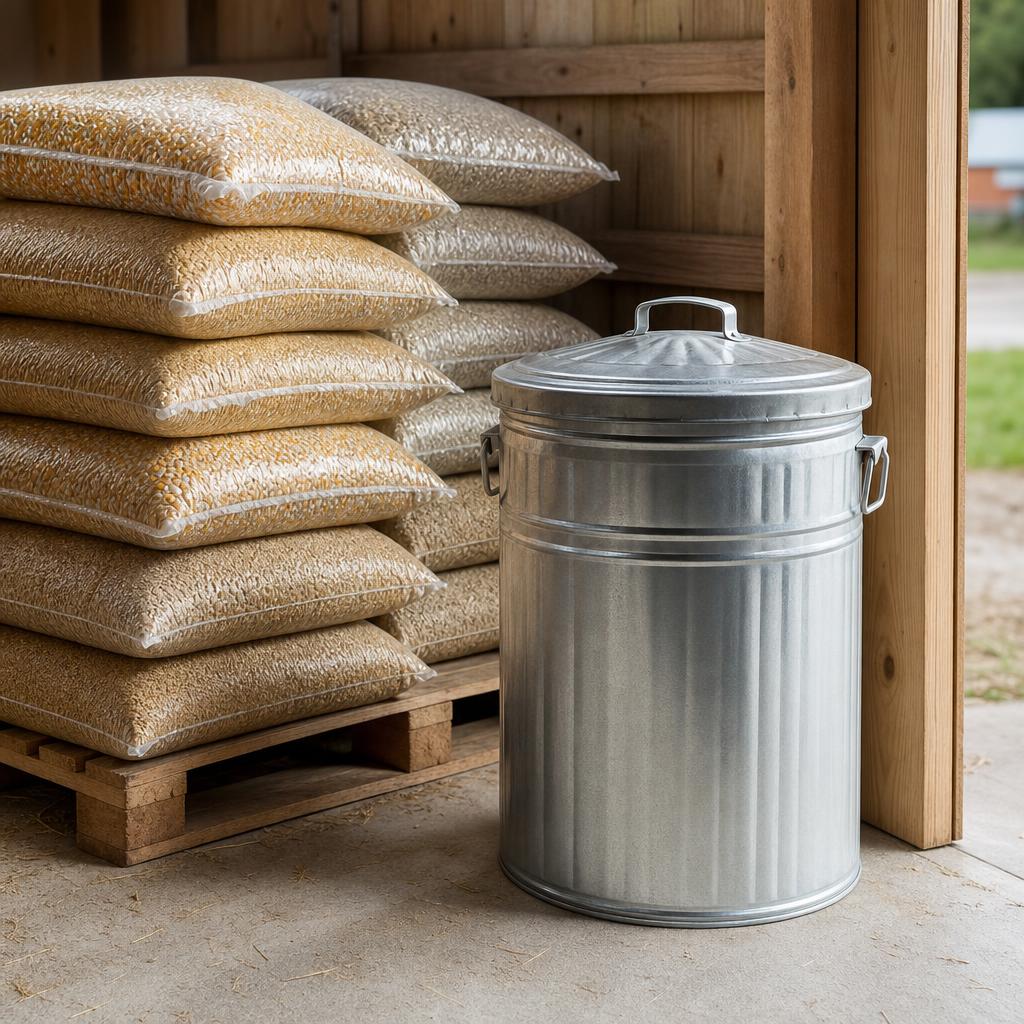
Down here in the Southeast, summer doesn't just test your animals — it tests every bag of feed in the barn. Heat plus humidity is the exact recipe that spoils feed and grows mold, and moldy feed can carry mycotoxins that make animals sick or knock down performance. Learning how to store feed in summer heat and humidity is one of the cheapest, highest-payoff things you can do for your herd or flock.
Feed is money sitting in a bag, and in a Georgia July that money can sour faster than you'd think. A little planning on where and how you store it — and how much you buy at a time — keeps it fresh, keeps pests out, and keeps you from tossing spoiled feed you already paid for.
Why Heat and Humidity Spoil Feed
Feed wants to stay cool and dry. Warm, damp conditions let mold spores wake up and grow, and some molds produce mycotoxins that can harm animals even when the feed doesn't look terrible. Humidity also lets feed draw moisture out of the air, which leads to clumping, caking, and loss of freshness. On top of that, warmth and easy access invite rodents and insects that contaminate far more than they eat. Beat the heat and moisture, and you beat most feed-storage problems at once.
Store It Cool, Dry, and Off the Floor
Location matters as much as the container. Pick the coolest, driest, best-ventilated spot you've got and keep feed up off the ground:
- Store in a shaded, ventilated area — never in direct sun or a sealed-up metal shed that bakes all afternoon.
- Keep bags and bins off the floor on pallets or racks so moisture can't wick up from concrete and air can move underneath.
- Keep feed away from walls a few inches so it isn't trapping dampness or condensation.
- Avoid spots where humidity pools, like a closed corner with no airflow.
Use Sealed, Hard Containers
A paper feed bag is no match for a humid barn, a determined mouse, or a colony of grain moths. Move feed into sealed metal or heavy-duty hard plastic containers with tight lids:
- Sealed containers lock out moisture so feed stays dry and free-flowing.
- Solid metal or hard plastic keeps rodents and insects out where they can't chew or contaminate.
- Lidded bins hold in freshness and keep the aroma that tells you feed is still good.
This matters for every category, but especially for smaller batches of specialty feeds and supplements that you go through slowly and don't want spoiling between uses.
Buy Only Two to Four Weeks' Worth
The freshest feed is feed that hasn't had time to sit. In summer especially, resist the urge to stockpile. Buying only a two-to-four-week supply at a time means feed moves through before heat and humidity can work on it. You'll trade a few extra trips to your dealer for feed that's consistently fresh — a good deal in July. If you must keep more on hand, be that much more careful with cool, dry, sealed storage.
Rotate First-In, First-Out
Even good storage won't help if old feed gets buried behind new. Practice first-in, first-out so the oldest feed always gets used first:
- When new feed arrives, set it behind or under what you already have.
- Always scoop from the oldest bag or bin first.
- Finish and clean a container before topping it off with a fresh batch.
That last point is important — don't pour new feed on top of old crumbs and dust sitting in the bottom of a bin. Those leftovers are the first thing to go stale and can spoil the fresh feed you just added.
Inspect Every Time You Feed
Make a quick check part of your routine. Your eyes and nose catch trouble early, before it reaches an animal's gut. Watch for:
- Clumping or caking — a sign feed has taken on moisture.
- Off or sour smells — fresh feed smells clean; musty, sour, or "hot" odors mean trouble.
- Visible mold — fuzzy patches, discoloration, or webbing from insects.
- Pests — droppings, chewed corners, weevils, or moths.
When in doubt, throw it out. Feeding questionable feed to save a few dollars can cost you a lot more in vet bills and lost performance. If you suspect mycotoxins are behind a health issue, your veterinarian or local extension office can help you sort it out.
Keep Bins Clean Between Refills
Storage containers need housekeeping too. Between refills, dump out the dusty fines at the bottom, then wipe or wash the bin and let it dry completely before adding fresh feed. Leftover dust and crumbs hold moisture, harbor mold, and draw insects — undoing all your careful storage. A clean, dry bin is the last link in keeping feed good.
The bottom line: in Southeast summers, treat feed like the perishable it is. Store it cool, dry, and off the floor in sealed containers, buy small and rotate first-in-first-out, and give it a look and a sniff every time you feed. A few good habits mean fresh feed, healthy animals, and no money going to the mold. Need to restock little and often? Find a Mid South Feeds dealer nearby.