 Dogs & Cats
 Cattle
 Equine
 Poultry
 Swine
Swine Goats & Sheep
 Game Bird
 Gamecock
 Deer & Wildlife
 Fish & Pond
 Rabbit
 Specialty
 Ingredients & Bulk
 Special Order

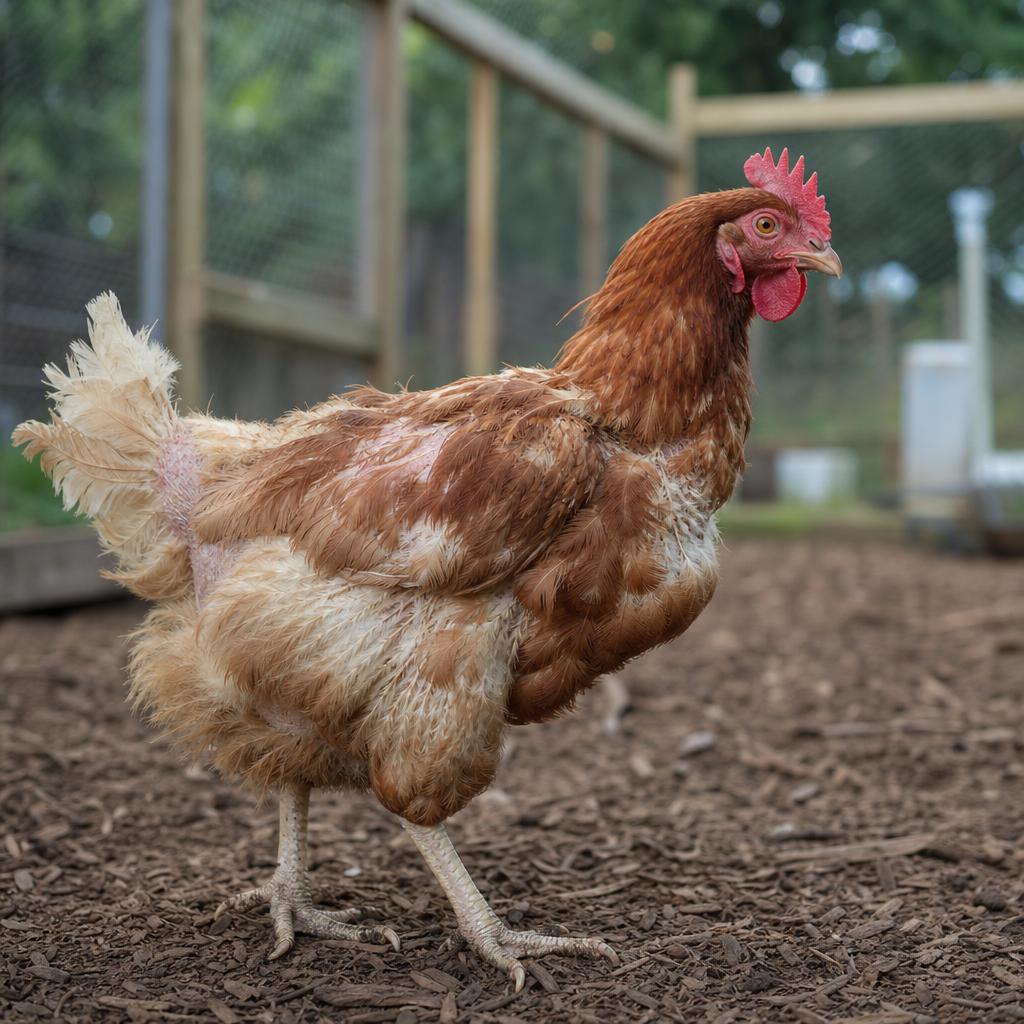
If your hens suddenly look like they lost a pillow fight and the egg basket goes empty right when the days start getting shorter, don't panic — your flock is molting. Molting season is a natural, yearly event, and knowing how to feed chickens through a molt makes the whole thing go faster and easier on the birds.
In our part of the Southeast, molting usually kicks in as daylight shortens through late summer and into fall. It can look alarming, but a molt is a sign your hens are doing exactly what nature intended: shedding worn-out feathers and growing a fresh coat before winter. Your job is to support that with the right nutrition and a little patience.
What Molting Actually Is
A molt is the annual process of dropping old feathers and regrowing new ones. Chickens typically molt in a pattern, starting around the head and neck and working down the body toward the tail. Older birds often molt harder and look rougher than younger ones, and some hens are neat, tidy molters while others go nearly bare for a spell.
The trigger is mostly the shortening day length in late summer and fall, though stress, broodiness, or a change in conditions can bring on a molt too. It's driven by the calendar and the bird's biology — not by anything you did wrong.
Why Laying Pauses (And Why That's Normal)
Growing a whole new set of feathers takes a lot out of a hen, and her body simply can't build feathers and eggs full-tilt at the same time. So laying slows down or stops entirely during a molt. This is completely normal and even healthy — it gives her reproductive system a rest and lets her put resources into a strong new coat.
Once the new feathers are in and the molt wraps up, hens generally return to laying. Rushing them or worrying over the empty nest boxes won't speed it along; good feed and low stress will.
Feathers Are Mostly Protein — So Raise It
Here's the key to feeding through a molt: feathers are made mostly of protein. When a hen is regrowing a full coat, her protein needs jump. Support that and feathers come back in faster and fuller. A couple of ways to bump the protein in her diet:
- Switch to a higher-protein feed for the duration of the molt — many keepers move from a standard layer to a higher-protein poultry feed until feathers are back in.
- Cut back on protein-diluting treats like scratch grains, corn, and kitchen scraps. Those fill hens up with carbohydrates and water down the protein in the overall diet right when they need more of it.
Occasional protein-rich extras — think a handful of mealworms or a bit of cooked egg — can be a nice supplement, but the everyday ration is what does the heavy lifting.
A Quick Molt-Feeding Checklist
- Move to a higher-protein feed as the molt begins
- Keep the good feed as the main diet, not an afterthought behind treats
- Trim back scratch and low-protein snacks
- Offer plenty of clean, cool water at all times
- Return to your normal layer feed once feathering is complete and laying picks back up
Keep Clean Water in Front of Them
Water is easy to overlook, but it's essential during a molt just as it is year-round — and in lingering Southeast heat it's non-negotiable. Fresh, cool, clean water helps hens process the extra protein and keeps them comfortable while they regrow feathers. Rinse and refill waterers regularly so nothing gets warm or slimy.
Because molting often overlaps with our long, hot early-fall stretch, keep waterers in the shade and add an extra one if the flock is crowding a single fount. Hens carrying tender new pinfeathers don't need the added strain of going short on water on a warm afternoon. A well-hydrated bird eats better, and a bird that eats better feathers back in faster — it all works together.
Reduce Stress and Handle Gently
New pinfeathers are packed with blood supply and tender to the touch, so molting hens can be genuinely uncomfortable and touchier than usual. Ease up on handling and keep their world calm:
- Avoid unnecessary handling while pinfeathers are coming in
- Hold off on adding new birds or shuffling the flock during a molt
- Keep the coop clean, dry, and free of drafts and predators
- Watch for pecking, since bare skin can tempt flock-mates
The less stress a hen carries, the more energy goes into feathers instead of coping.
Be Patient — It Takes Time
A molt isn't an overnight affair. Some hens finish in a few weeks; others take a couple of months to look fully dressed again, especially older birds going through a hard molt. There's no shortcut. Feed for the protein need, keep water clean, keep stress low, and let nature run its course. The reward is a flock in fresh feathers heading into winter and, before long, eggs back in the basket.
In a nutshell: molting is normal, laying pauses on purpose, and the smartest thing you can do is raise the protein and dial back the treats until those feathers are back in. Support your hens through it and they'll come out the other side healthier for it. Need help finding the right feed for molting season? Find a Mid South Feeds dealer near you.