 Dogs & Cats
 Cattle
 Equine
 Poultry
 Swine
Swine Goats & Sheep
 Game Bird
 Gamecock
 Deer & Wildlife
 Fish & Pond
 Rabbit
 Specialty
 Ingredients & Bulk
 Special Order

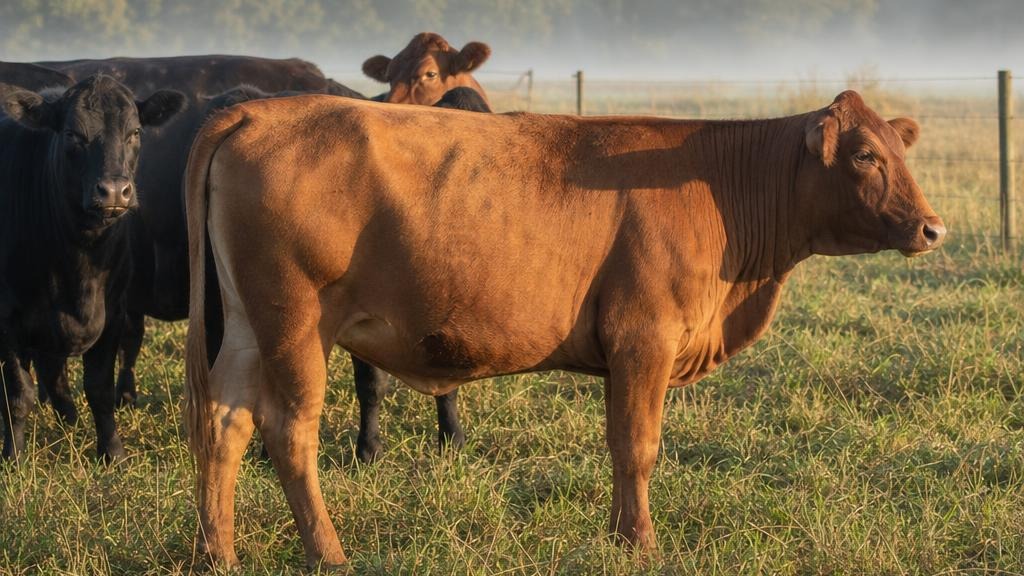
Late summer is a useful checkpoint for a beef herd. Pastures can still look green from the road while mature grass, heat, insects, and a nursing calf quietly pull condition from cows. A body condition score turns that vague impression into a repeatable management note. It helps you decide which cows are holding their reserves, which groups need better forage, and where a supplement may be worth considering before fall.
This is not about making every cow look heavy. It is about observing fat cover consistently and matching the feeding plan to the cow's stage of production. The earlier a thin cow is identified, the more time there is to make a gradual correction rather than trying to catch up when forage quality drops.
What a Beef Cow Body Condition Score Tells You
Beef cattle are commonly scored on a 1-to-9 scale, from very thin to very fat. The number is an estimate of stored energy, not a weight or a judgment about frame size. A large-framed cow and a smaller cow can weigh very different amounts and still carry a similar body condition.
Extension guidance commonly uses a score near 5 as a practical target for many mature cows at calving, although the right goal depends on age, production stage, environment, and a herd's management plan. The real value is consistency: score the same areas, use the same scale, and record the result so you can see direction over time.
Look and Feel in the Same Places
Do not score from the brisket alone or rely on a quick look across the pasture. Hair, mud, gut fill, pregnancy, and lighting can fool the eye. Stand where you can safely see the cow from the side and rear, then focus on these landmarks:
- Backbone and short ribs: note whether the spine and the ends of the ribs look sharp, rounded, or difficult to distinguish.
- Long ribs: look for visible ribs, then consider how easily they would be felt beneath the hide.
- Hooks and pins: observe how prominent the hip and pin bones appear and whether the areas between them look angular or filled.
- Tailhead: check for deep hollows around the tailhead or, at the other end of the scale, obvious fat deposits.
- Brisket: use it as supporting evidence rather than the only scoring point.
When cattle are safely restrained during routine handling, light palpation can confirm what hair hides. Photographs from the same angle also make useful records. If several people score the herd, review a few cows together so everyone is using the scale similarly.
Sort the Herd Before You Change the Feed
A herd average can hide the cows that need attention most. First-calf heifers, older cows with worn teeth, heavy-milking cows, and timid animals may lose condition sooner than mature cows that dominate the feeder. Sorting gives those animals a fair chance without overfeeding the cows already holding condition.
Match the Response to the Forage
Before buying a supplement, walk the pasture. Estimate how much usable forage remains, not simply how much plant material covers the ground. Mature stems, weeds, and trampled areas do not offer the same diet as leafy growth. A forage test on hay or stored forage adds better information than color or smell alone.
If quantity is short, more grazing area or hay may be the first need. If forage is plentiful but low in quality, a balanced supplement may help fill the nutrient gap. The right choice depends on the forage analysis, cow size, stage of production, and desired condition change. Compare the feed tag and directions rather than choosing by crude protein alone. The cattle feed page can help you review available feed types, but the ration still has to fit the forage in front of the herd.
Make Small Changes and Protect Access
Condition should be corrected steadily. Sudden ration changes can disrupt normal intake, and large meals create more risk than a planned transition. Introduce a new feed gradually, follow label directions, and provide enough bunk or feeder space for the whole group. Watch from a distance at feeding time: the last cows to approach often reveal an access problem before a score changes.
Water and mineral access belong in the same review. Clean water should be easy to reach, and a species-appropriate mineral should remain dry and available according to its label. Track consumption instead of assuming an empty feeder proves every cow received her share.
Build a Simple Late-Summer Check Routine
- Score and record cows by management group, not just as one herd.
- Flag thin cows, young cows, seniors, and animals losing condition between checks.
- Assess pasture quantity and maturity; test hay or stored forage when possible.
- Sort cows when competition prevents equal access.
- Recheck after a few weeks using the same landmarks and viewing method.
A body condition score is most useful before a problem becomes obvious. Pair the number with forage observations, intake records, and production stage, then make one measured adjustment at a time. If local forage conditions leave you unsure what type of feed fits the gap, talk with a knowledgeable dealer or nutrition professional. You can also use the dealer locator to find a nearby feed retailer.