 Dogs & Cats
 Cattle
 Equine
 Poultry
 Swine
Swine Goats & Sheep
 Game Bird
 Gamecock
 Deer & Wildlife
 Fish & Pond
 Rabbit
 Specialty
 Ingredients & Bulk
 Special Order

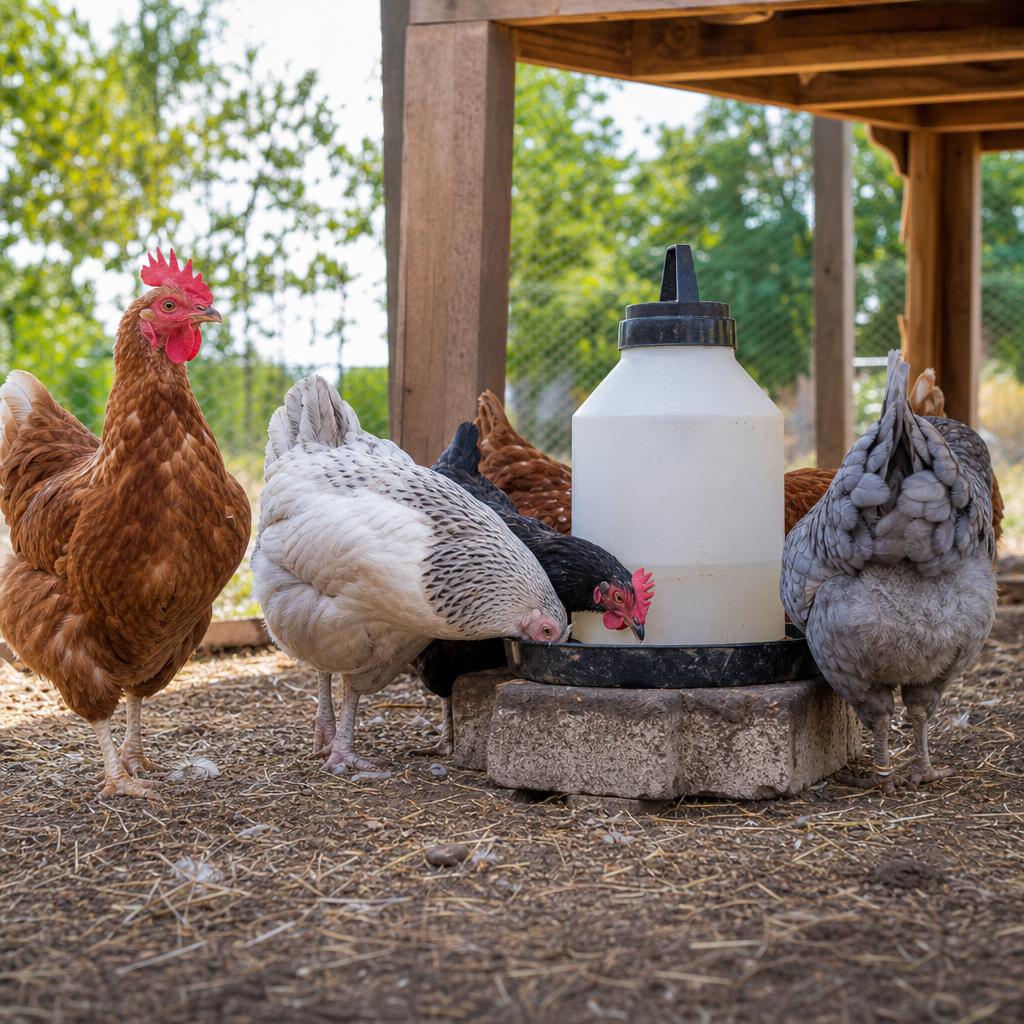
Ask any experienced flock owner in the Southeast and they'll tell you the same thing: heat kills chickens faster than cold ever will. A hen can fluff up and ride out a frosty morning, but she has no sweat glands and only so many ways to shed heat. When our summer humidity climbs and the thermometer parks itself in the 90s, keeping chickens cool in hot weather stops being a comfort issue and becomes a matter of survival.
Birds start feeling the strain well before it looks like an emergency. The trick is knowing the early signs of heat stress and having your shade, ventilation, and water dialed in before the worst afternoons arrive — not scrambling after a bird goes down.
Here's how to help your flock beat the Georgia heat.
Know the Signs of Heat Stress in Chickens
Chickens cool themselves mainly by panting and by holding their wings away from their bodies to release heat. Mild versions of these behaviors are normal on a hot day, but when they ramp up, your birds are in trouble. Watch for:
- Heavy, open-beak panting — fast, labored breathing that doesn't ease up in the shade.
- Wings held out from the body, sometimes drooping, to expose bare skin underneath.
- Pale, floppy combs and wattles instead of the usual bright red.
- Lethargy — standing around dazed, reluctant to move, or lying flat.
- Reduced appetite and a drop in egg production.
- Diarrhea from drinking large amounts of water.
A bird that's stopped panting but is limp and unresponsive is in serious danger and needs to be cooled immediately — move it to shade and gently dampen its feet and comb with cool (not ice-cold) water.
Shade and Ventilation Come First
The single best thing you can do is keep your birds out of direct sun. A metal coop turns into an oven, and a still, stuffy interior can be hotter than the yard outside. Make sure the flock always has real shade — trees, a tarp, a lean-to, or the shady side of a building.
Ventilation matters just as much as shade. Hot air needs somewhere to go. Open up coop vents, add windows with hardware cloth, or run a fan to keep air moving. Moving air helps birds shed heat even when the temperature itself is high. Just make sure any fan is safe, dust-managed, and out of the birds' reach.
Water Is Everything — Keep It Cool and Plentiful
A chicken can go a while without feed but not without water, and in the heat their needs climb sharply. Cool, fresh water is your most important tool.
- Add extra waterers so no bird has to travel far or wait in line, and spread them into shady spots.
- Refresh water often. Water sitting in the sun gets warm and unappealing fast; birds drink more when it's cool.
- Drop in ice or frozen jugs on the hottest afternoons to keep it cool longer.
- Use poultry electrolytes on the worst days. A proper electrolyte supplement helps replace what birds lose while panting. Follow the label, and always offer plain water alongside it.
Watch for Waterer Failures
An empty or tipped-over waterer on a 98-degree afternoon can be deadly within hours. Check waterers more than once a day in a heat wave, and never assume a full one this morning is still full by mid-afternoon.
Cool Treats and Smart Feeding Times
You can help your flock from the feed side, too. Digestion itself generates body heat, so feed the bulk of the ration during the cooler morning and evening hours when birds are more willing to eat and better able to handle it. Keeping intake up matters, because heat-stressed hens often eat less right when they need good nutrition most.
Make sure that ration is doing its job. A quality fortified layer feed keeps hens supported through the stress of a hot summer, when appetite and egg production both tend to sag.
Watery and frozen treats are a fun, genuinely useful way to cool birds down. Try:
- Chilled or frozen chunks of watermelon, cucumber, or berries.
- Frozen peas or corn scattered in the shade.
- A shallow pan of cool water for the birds that like to wade.
Keep treats to a modest share of the diet so they don't crowd out the balanced feed your hens rely on.
Ease Crowding and Reduce Handling
Packed-in birds generate and trap heat. If your coop or run is tight, the summer months are when crowding really bites. Give the flock room to spread out and find their own cool spots, and make sure lower-ranked birds aren't getting shoved away from shade and water by the bossy ones.
Save any handling, moving, or transporting for the cool of early morning. Chasing and catching birds in the afternoon heat piles stress on top of stress and can push a marginal bird over the edge.
Build Your Hot-Weather Routine
Beating the heat comes down to a handful of habits, repeated every day the forecast turns ugly: shade, airflow, cool water in several spots, feeding when it's cooler, a little something frozen, and a close eye on the flock's behavior. None of it is complicated, but consistency is what saves birds.
Take the guesswork out of it — set up your shade and extra waterers before the heat wave hits, and do a quick evening walk-through to spot any bird that's struggling. A few minutes of attention on the front end beats losing a good hen on the back end. If you're not sure your feed is right for the season, a knowledgeable dealer can point you the right way; use our locator to find a Mid South Feeds dealer.