 Dogs & Cats
 Cattle
 Equine
 Poultry
 Swine
Swine Goats & Sheep
 Game Bird
 Gamecock
 Deer & Wildlife
 Fish & Pond
 Rabbit
 Specialty
 Ingredients & Bulk
 Special Order
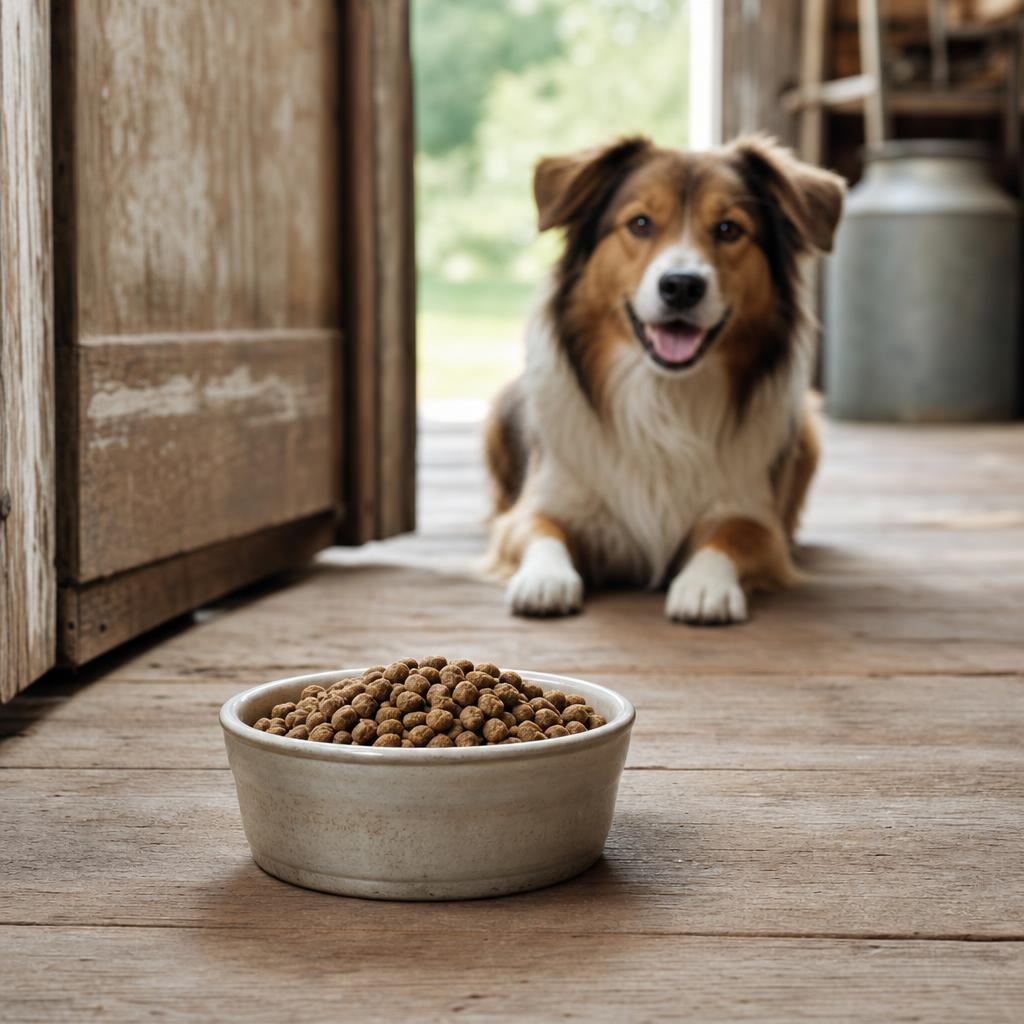
If you've ever switched your dog's food overnight and woken up to a mess on the kitchen floor, you already know why a proper food transition matters. A dog's digestive system and the gut bacteria that help break down meals get used to one recipe. Change it all at once and you often get vomiting, gas, or loose stool while everything scrambles to adjust.
The fix is simple and cheap: go slow. Transitioning your dog to a new food gradually over about a week gives the gut time to adapt, and most dogs make the switch without missing a beat. Here's how to do it right, when a switch is worth making, and what to watch along the way.
Why Abrupt Switches Upset the Stomach
The population of good bacteria in a dog's gut is tuned to the ingredients and nutrient balance it sees every day. Swap the whole bowl to something new and those bacteria can't keep up, so the food isn't digested cleanly. The usual result is soft or runny stool, a gurgly stomach, gas, or a skipped meal or two. It's not that the new food is bad — it's that the change was too fast.
The Classic 7-Day Transition Schedule
The tried-and-true method is to mix increasing amounts of the new food with decreasing amounts of the old over roughly a week:
- Days 1–2: about 25% new food, 75% old food.
- Days 3–4: about 50% new, 50% old.
- Days 5–6: about 75% new, 25% old.
- Day 7 onward: 100% new food.
Mix the two together in the bowl rather than feeding them side by side, so your dog gets a blended ratio at every meal. When you're shopping for that next bag, a quality dog food makes the switch smoother because it's consistent from bag to bag.
Going Slower for Sensitive Dogs
Some dogs have touchier stomachs — puppies, seniors, and dogs with a history of digestive trouble often do. For them, stretch the same schedule over 10 to 14 days, moving up only when stools stay firm. There's no prize for finishing fast; the goal is a smooth landing.
The same slow-and-steady mindset helps when the new food is very different from the old — say, moving from a chicken-based recipe to a fish-based one, or from a lower-fat food to a richer, higher-fat formula. Bigger jumps in ingredients or fat content give the gut more to adjust to, so lean toward the longer timeline. And if your household has more than one dog eating from separate bowls, transition each dog on its own schedule rather than assuming they'll all handle the change at the same pace.
Good Reasons to Switch Foods
You don't want to change food on a whim, but there are plenty of solid reasons to move to a new formula:
- Life stage changes — moving from puppy to adult, or adult to a senior diet as your dog ages.
- Weight management — shifting to a diet that helps a dog slim down or, less often, put weight on.
- Health needs — a food better suited to your dog's digestion, skin and coat, or a condition your veterinarian is helping you manage.
- Activity or life changes — a hard-working dog and a couch companion have different energy needs.
Any time a switch is tied to a health issue, talk it over with your veterinarian first so you pick the right formula for the right reason.
What to Watch During the Transition
Keep an eye on a few simple things and let your dog tell you how it's going:
- Stool: firm and consistent is the goal. Loose or runny stool means slow down.
- Appetite: steady, eager eating is a good sign; a dog turning up its nose may need a slower pace or a different formula.
- Energy: normal, bright, and playful.
- Coat and skin: a healthy shine and no new itching over the weeks that follow.
If loose stool, vomiting, or refusal to eat drags on beyond a day or two, back off to the previous ratio and give it more time. Ongoing problems are worth a call to your vet.
Tips for Picky Eaters
Some dogs treat a new food with deep suspicion. A little patience and a few tricks usually win them over:
- Warm the food slightly or add a splash of warm water to bring out the aroma.
- Feed on a regular schedule and pick the bowl up after 15–20 minutes so meals feel like meals.
- Cut back on treats and table scraps during the switch so the bowl looks more appealing.
- Go even slower — sometimes a picky dog just needs the ratio to creep up more gradually.
Resist the urge to keep swapping foods every few days chasing enthusiasm; that just keeps the stomach unsettled and teaches a dog to hold out for something better.
Here's the practical takeaway: most food problems aren't about the food — they're about the speed of the change. Blend old and new over a week, stretch it to two for sensitive dogs, watch the stool and appetite, and switch for a real reason. Do that and your dog gets all the benefit of a better diet with none of the drama. Ready to pick up the next bag? Find a Mid South Feeds dealer close to home.