 Dogs & Cats
 Cattle
 Equine
 Poultry
 Swine
Swine Goats & Sheep
 Game Bird
 Gamecock
 Deer & Wildlife
 Fish & Pond
 Rabbit
 Specialty
 Ingredients & Bulk
 Special Order

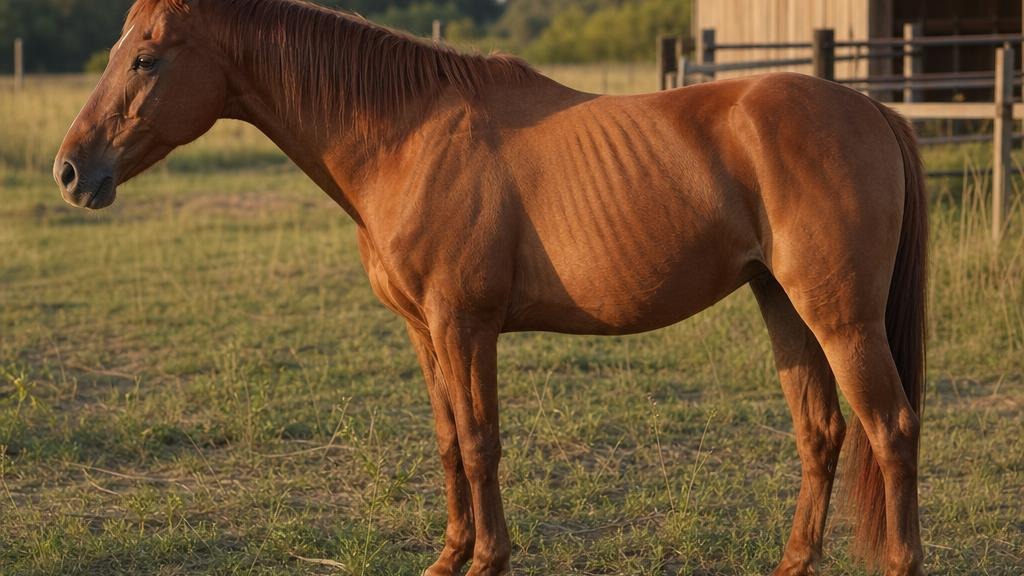
A horse can look unchanged from one week to the next while pasture, workload, and body condition move in opposite directions. Late summer is especially deceptive: grass may remain abundant but become mature, a horse may work less after show season, or a thickening coat may hide a change along the ribs. A repeatable body condition score helps replace guesswork with observations you can compare.
Body condition scoring does not diagnose illness and it does not replace a veterinary exam. It is a practical way to assess stored fat and decide whether the feeding program deserves a closer look. Used with an estimated body weight, forage information, and workload, it can guide small seasonal adjustments before they become large ones.
Learn the 1-to-9 Horse Scale
The commonly used Henneke system scores horses from 1, poor, to 9, extremely fat. A score around 5 is often described as moderate, but an appropriate target depends on the individual, discipline, age, reproductive status, and veterinary guidance. The goal is not to force every horse to one number. The goal is to score consistently and notice a trend.
Use both sight and touch. Coat length, breed, muscling, conformation, and the way a horse stands can change what you see. Run a flat hand over the key areas instead of pressing with fingertips, and work safely from a position familiar to the horse.
Check All Six Areas
A score should reflect the whole horse, not just the ribs. Evaluate these locations each time:
- Neck: notice whether it blends smoothly into the body or carries a firm, prominent crest.
- Withers: assess whether the bones look sharp, rounded, or buried in fat.
- Behind the shoulder: look for a smooth transition or a visible hollow.
- Ribs: note whether they are visible and how easily they can be felt.
- Loin: observe whether the back is level, peaked, or has a crease.
- Tailhead: feel for bony prominence or soft fat deposits around the area.
Muscle loss is not the same thing as low body fat. An older horse can carry fat over the ribs while losing topline muscle. Record those observations separately and involve a veterinarian when a horse loses weight or muscle unexpectedly, has trouble chewing, or changes appetite.
Make the Score Repeatable
Score on a regular schedule in similar lighting and on level ground. Take side and rear photographs from the same distance. Add a weight-tape measurement, knowing that it is an estimate rather than a scale weight. A simple notebook entry with date, score, tape measurement, pasture conditions, workload, and ration is more valuable than memory.
Look at the Trend, Not One Day
Gut fill and hydration can change appearance. One score should prompt observation; a consistent trend should prompt a review. If the horse is gaining or losing condition, confirm that everyone feeding the barn uses the same scoop, weighs the ration when possible, and follows the same instructions. A "scoop" is a volume measure, and different feeds can have very different weights in the same container.
Start With Forage and Workload
Walk the pasture rather than assuming acreage equals nutrition. Grazing height, plant maturity, weeds, and stocking pressure all affect what the horse can select. When hay is fed, a forage analysis offers better information than color alone. Clean water and plain salt should be consistently available.
Next, review how the horse's work has changed. A horse coming out of regular riding may need less dietary energy even though its routine feels the same. A horse beginning conditioning may need more, but fitness work should not be confused with rapid feed increases. Compare the ration with the product label and the horse's actual activity.
Adjust One Part at a Time
For a horse gaining unwanted condition, first weigh what is already being fed, account for treats, and assess pasture access. Do not simply remove forage; horses need forage for normal digestive function and behavior. A lower-energy forage, controlled grazing plan, or appropriately balanced ration may fit better than abrupt restriction.
For a horse losing condition, check forage quantity and quality, feeder competition, dental care history, and the accuracy of portions before adding more concentrate. When more energy is appropriate, divide meals and make changes gradually. The equine feed page can help you compare feed types, but no label replaces evaluating the entire diet.
Your Seasonal Feed Check
- Score the same six body areas with both eyes and hands.
- Record photographs, weight-tape estimates, workload, and ration amounts.
- Weigh feed and hay instead of depending on flakes and scoops.
- Assess pasture and hay quality before changing concentrate.
- Make gradual changes and recheck on a consistent schedule.
- Call your veterinarian for unexplained weight, muscle, appetite, or chewing changes.
A condition score works best as an early-warning tool. It gives you time to make calm, measured decisions as seasons and workloads change. If you need help identifying locally available feed options that fit a forage-based plan, consult your veterinarian or equine nutrition professional, then use the dealer locator to find a nearby retailer.