 Dogs & Cats
 Cattle
 Equine
 Poultry
 Swine
Swine Goats & Sheep
 Game Bird
 Gamecock
 Deer & Wildlife
 Fish & Pond
 Rabbit
 Specialty
 Ingredients & Bulk
 Special Order
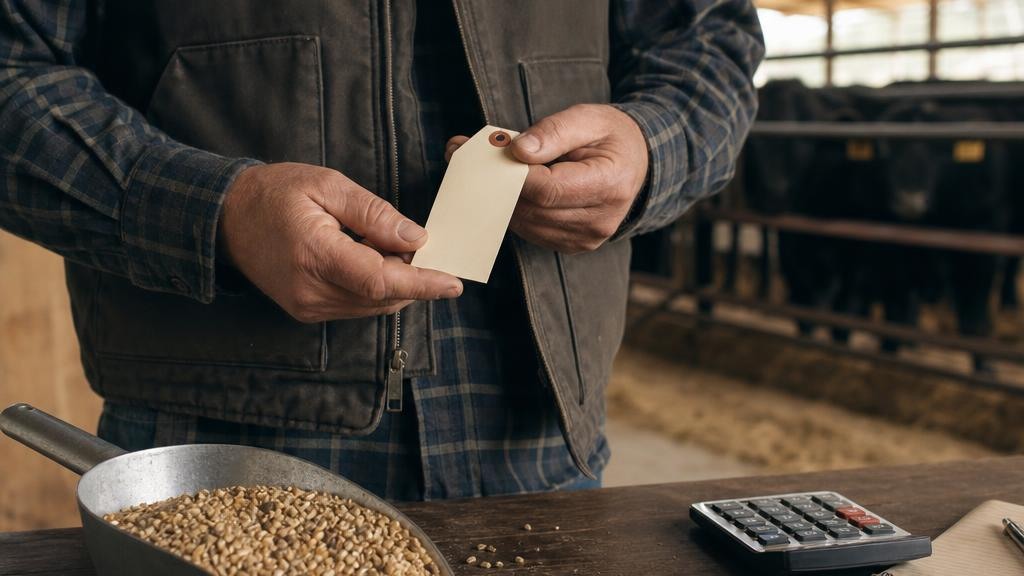
Managing a farm requires keeping a sharp eye on every detail, from the health of your pastures to the specific bags of feed you haul into the barn. Feed labels act as a bridge between the nutritional needs of your animals and the actual contents inside the sack. While those long lists of fine print may look like a tangle of confusion at first glance, they hold the essential facts necessary for maintaining stable animal performance and preventing nutritional gaps in your management program. Developing the habit of reading these documents with a steady, objective mindset is one of the best ways to ensure you are getting exactly what you need for your operation without falling for clever marketing language or unnecessary additives.
You will find that most labels are structured in a predictable, standardized way designed by regulatory bodies to keep things fair across the industry. By focusing on the mandatory sections, you can quickly filter out the noise and hone in on the numbers that impact your daily bottom line. It does not take an advanced degree in animal science to get a good handle on these requirements, but it does take a bit of practice and patience. When you look past the colorful branding and fancy claims, you are left with the reality of what provides energy, protein, and vital minerals to your stock. This practical approach will help you compare different options more effectively and keep your animals thriving through every season of the year.
The Intentionality of Purpose Statements
Every reputable bag of feed starts with a purpose statement, which is the most vital piece of information on the tag. This statement defines the exact species and life stage for which the feed was formulated. If you are shopping for your barnyard birds or unique livestock, be sure to browse our full specialty catalog to see which options align with your specific animal needs. A feed intended for a growing animal will have a different protein-to-energy ratio than one intended for a maintenance ration. Ignoring these labels often leads to a mismatch between the ration and the animal, as the nutrient density is not matched to the metabolic speed of the animal you are feeding.
Decoding the Guaranteed Analysis
The guaranteed analysis table is your primary reference for the minimums and maximums of crude protein, crude fat, and crude fiber. Think of this table as the basic snapshot of the feed nutrient profile. It does not tell you the whole story, but it does tell you the fundamental building blocks provided by the formulation. When comparing two products, ensure you are looking at similar categories of feed. Comparing a high-fiber maintenance feed to a high-energy finishing feed will only lead to frustration, as they serve entirely different goals in your management routine.
Why Minimums and Maximums Matter
Manufacturers list minimums for nutrients like protein and fat to ensure the animal receives at least that amount of support. Conversely, you will see maximums for things like crude fiber or certain minerals. A minimum guarantees at least the stated amount, while a maximum sets an upper bound; which qualifier appears depends on the nutrient and label rules. Read the whole analysis alongside the purpose statement and feeding directions rather than treating one percentage as a stand-alone measure of suitability.
The Importance of Feeding Directions
Never skip the feeding directions section. This area provides the manufacturer's recommendation for how much to offer based on body weight or desired rate of gain. These directions are not just suggestions; they are the baseline for how the feed is expected to perform. Feeding outside the directions can change nutrient intake and cost, so questions should be resolved before changing the amount. Always weigh your feed rather than guessing with a scoop, as different densities change the weight significantly.
Recognizing Cautions and Warnings
Cautions and warnings deserve a complete reading before the bag enters the feed room. In a multi-species operation, build the label into storage and feeding routines:
- Check for additives or minerals that are unsafe for another species on the farm.
- Keep unlike feeds separated and retain their original identification.
- Prevent scoops, carts, and troughs from carrying one species’ feed into another animal’s ration.
Tracking the Lot Code
Every bag has a lot code, which is essentially the birth certificate of that specific batch of feed. Should you ever have a question about the consistency of a product or experience an issue in the barn, this code allows the company to trace exactly when and where the feed was produced. Keep these codes or even cut the tags off and keep them in a binder until the feed is gone. It is a simple administrative task that adds a layer of safety and accountability to your records.
Compare Feeds in Context
A guaranteed analysis is most useful when products have the same purpose and feeding form. Percentages alone do not tell you how much of a nutrient an animal receives; daily intake matters. Moist feeds and dry feeds also cannot be compared fairly from the front-panel numbers without accounting for moisture. Start with the animal, forage, and production goal, then compare feeds intended for that exact job. Price per bag can be misleading when feeding rates differ, so consider cost per day as well. If two labels still seem difficult to compare, ask a qualified nutrition professional to review the complete tags rather than selecting only by the highest protein number.
Consulting Experts for Better Results
If you find yourself stuck or if your animal production goals change, do not hesitate to reach out for professional help. A good feed dealer or a local nutritionist can help you interpret the label in the context of your specific forage quality. Your local hay or pasture provides a significant amount of the daily intake, and a nutritionist can help you determine if the store-bought feed you are considering truly complements what you are already growing on your own acreage. Take your current labels to your local provider for a thorough review if you feel your current results are not meeting your expectations. You can find your nearest source of support at our dealer locator. Take the time to verify the label against your management needs at every purchase to make a better-grounded purchase.