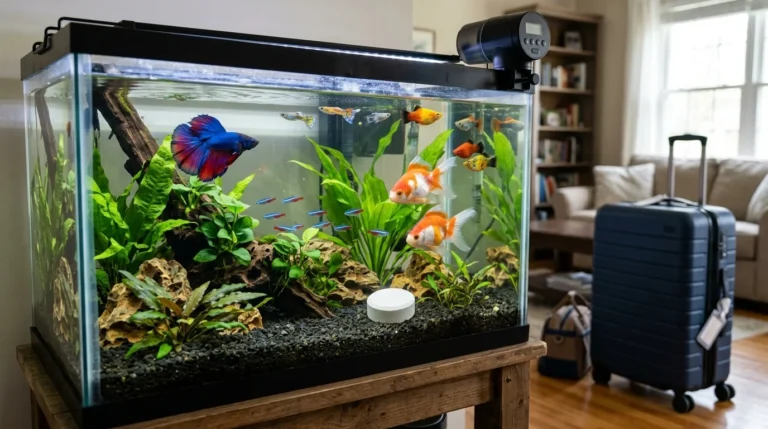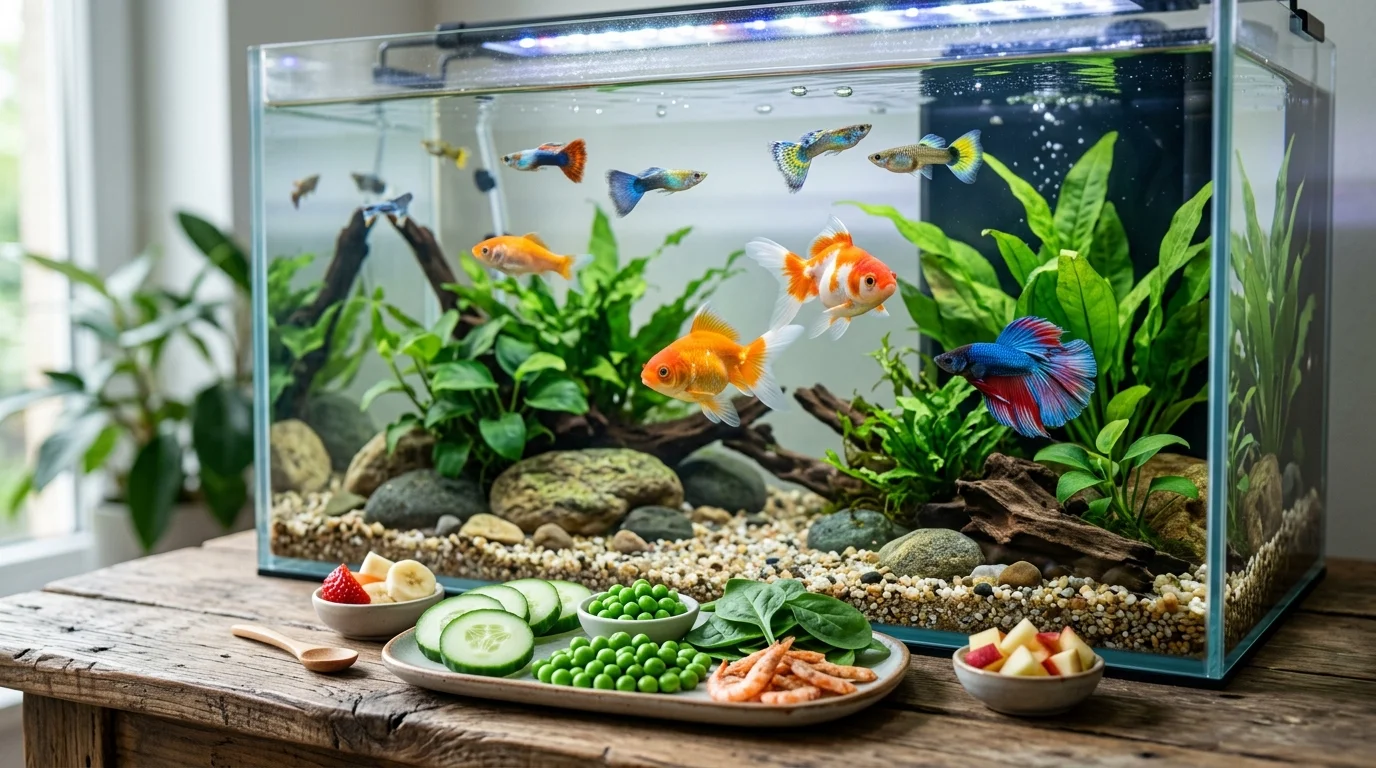
Every fish owner runs into this moment when the food container is empty, the store is closed, and your fish are waiting. The good news is that fish are not as picky as you might think. Knowing what you can feed fish besides fish food is a genuinely useful skill that every aquarium owner should have. This guide covers safe alternatives, expert-backed facts, and everything in between.
Why Knowing Alternatives to Fish Food Matters
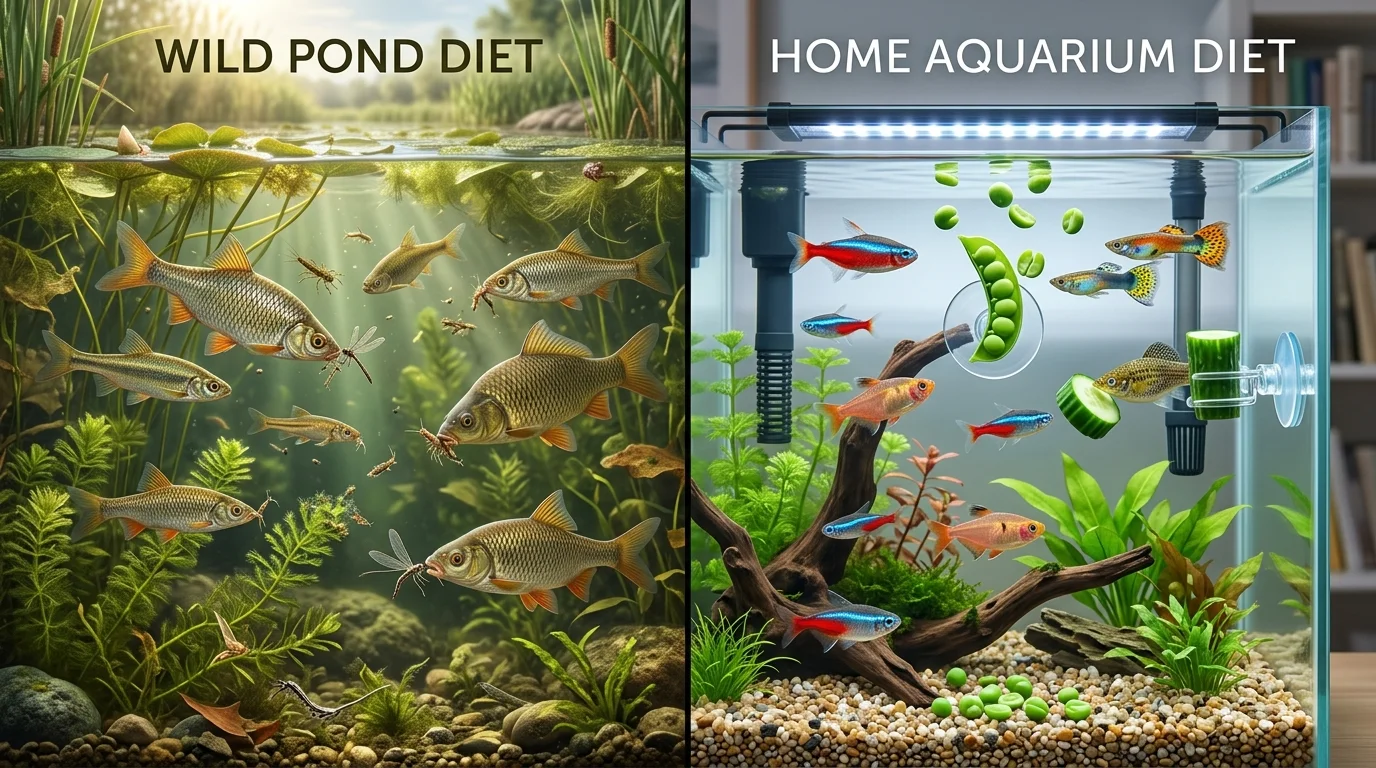
Commercial fish food is formulated for convenience and nutritional balance. But there are real situations, emergencies, budget constraints, or simple curiosity where knowing your options helps. Understanding what fish eat besides fish food also gives you a deeper appreciation of fish biology and natural diet.
Fish in the wild eat a diverse mix of plants, insects, small organisms, and organic matter. Replicating even a portion of that variety at home can actually improve their health, coloring, and energy levels. The key is knowing what is safe and what is not.
What Human Food Can Fish Eat?
Many common kitchen ingredients are completely safe for fish. What human food can fish eat is one of the most searched questions among new fish owners and the answer is more generous than most expect.
Safe Kitchen Foods for Most Freshwater Fish
Here are safe human foods you likely already have at home:
- Boiled or blanched peas (skin removed) great for digestion, especially in goldfish
- Boiled spinach rich in iron and fiber, works well for herbivore species
- Cucumber slices a favorite of plecos and other bottom feeders
- Boiled zucchini soft, easy to eat, and nutrient-dense
- Cooked plain rice a filler food in small amounts for omnivore fish
- Hard-boiled egg yolk in tiny pinches, excellent protein source for fry
- Daphnia (water fleas) live or frozen, available at most pet stores
How to Serve Home Foods Safely
Always remove uneaten food after 2–3 hours to prevent water quality issues. Rotting food spikes ammonia levels fast, which is the number one silent killer in home aquariums. Serve food in small pinches less than what the fish can finish in two minutes is the golden rule.
What Vegetables Can Fish Eat?
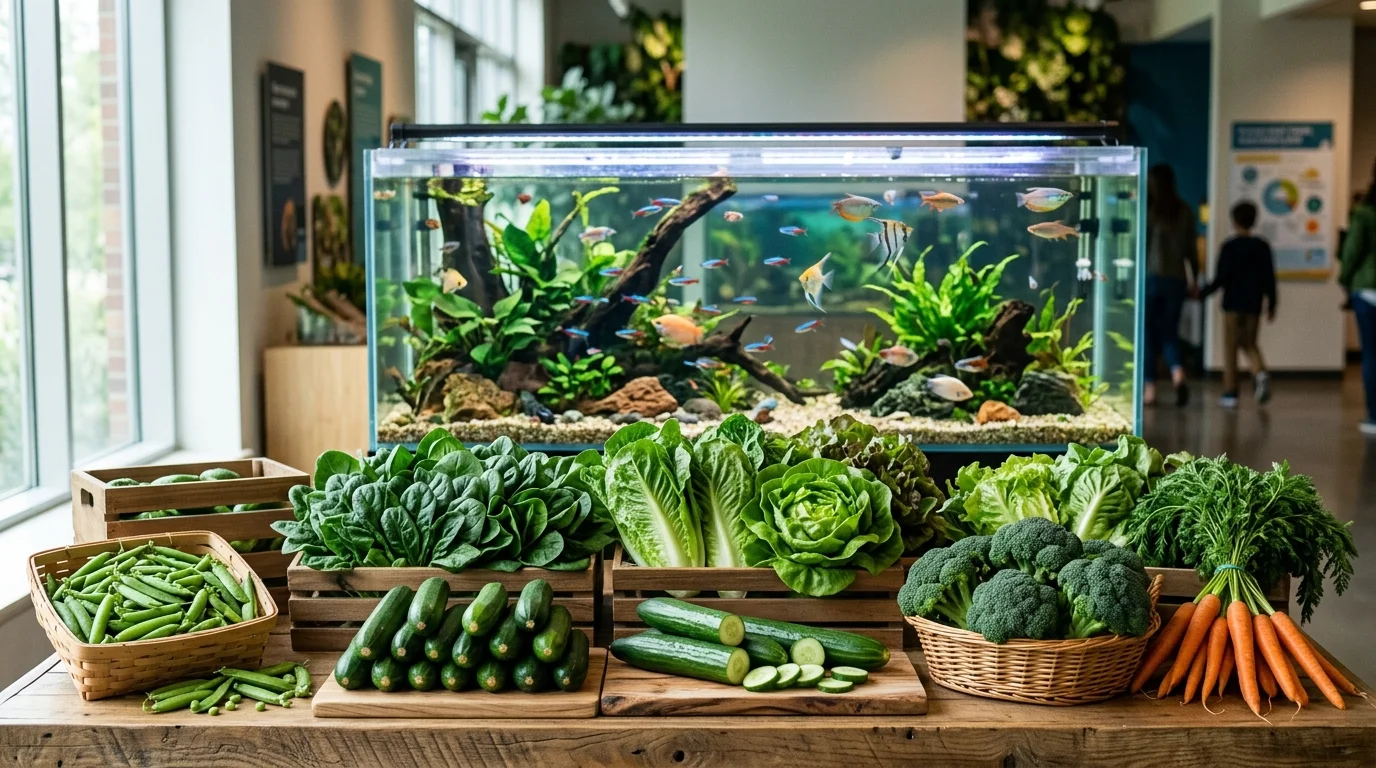
Vegetables are among the safest and most nutritious alternatives to commercial fish food. What vegetables can fish eat depends slightly on the species, but most freshwater fish tolerate a wide range of plant matter.
| Vegetable | Preparation Method | Best For |
| Peas | Boiled, skin removed | Goldfish, fancy varieties |
| Spinach | Blanched or boiled | Cichlids, tropical fish |
| Zucchini | Sliced, lightly boiled | Plecos, bottom feeders |
| Cucumber | Raw, sliced thin | Plecos, catfish |
| Lettuce (romaine) | Raw, weighted down | Most herbivore fish |
| Broccoli | Blanched, small pieces | Tropical community fish |
| Carrot | Boiled until soft | Goldfish, koi |
One Vegetable to Always Avoid
Avoid iceberg lettuce. It has almost zero nutritional value and mostly just pollutes the water. Stick to dark leafy greens that actually deliver vitamins and minerals your fish can use. The darker the green, the more nutritional value it generally carries for aquatic life.
What Fruits Can Fish Eat?
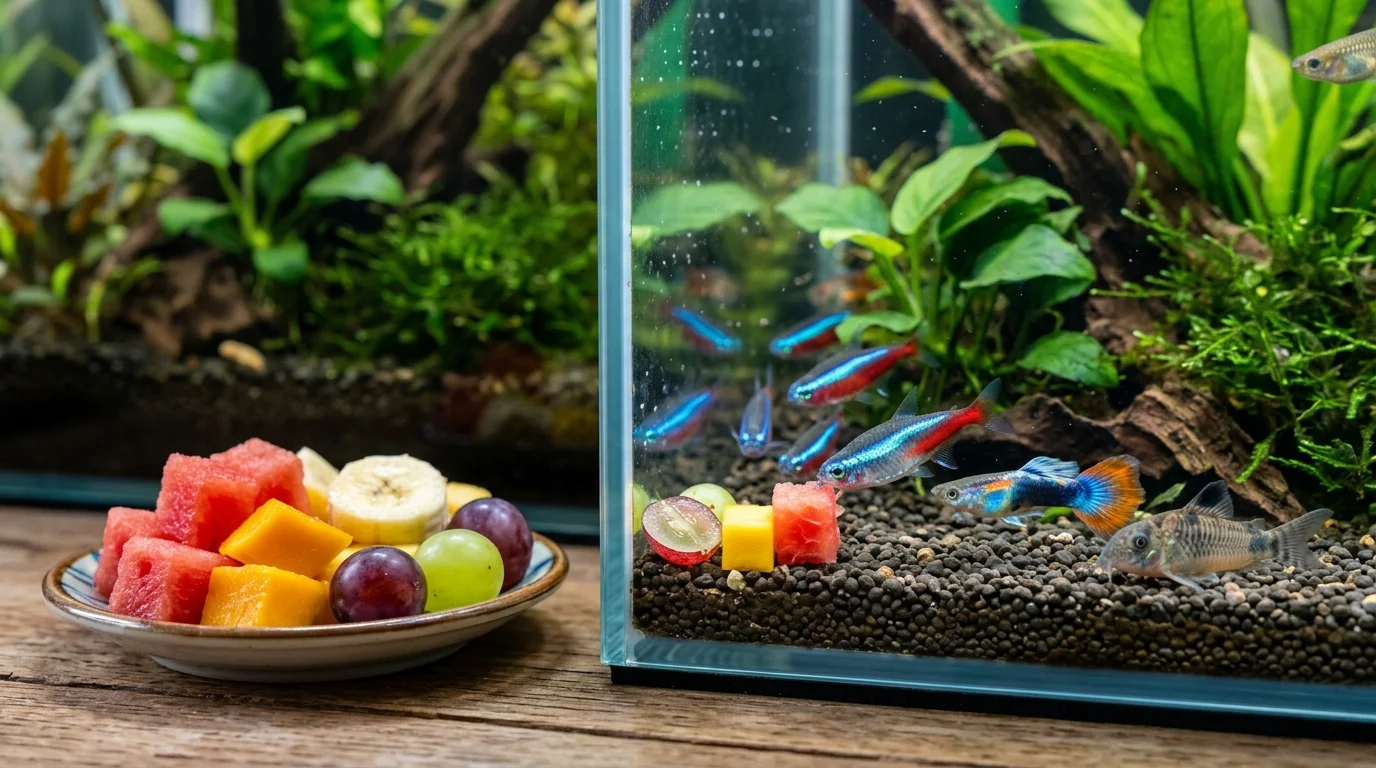
Fruits are less commonly discussed but worth knowing. What fruits can fish eat is a valid question, especially for owners of omnivore species like bettas, cichlids, and goldfish.
Safe Fruits in Small Quantities
- Watermelon (seedless, small pieces) high water content, loved by goldfish
- Mango (ripe, small cubes) rich in vitamins, occasionally safe for tropical fish
- Banana (ripe, tiny piece) soft and easy to digest in very small amounts
- Grapes (seedless, crushed) occasional treat for larger fish
How Often Should You Feed Fruit?
Fruits should always be treated as occasional treats, not regular meals. They contain natural sugars that can disrupt water chemistry if overfed. A piece the size of a pea, once or twice a week, is more than enough for any fish species.
What Can Fish Eat at Home: Protein Sources
Beyond vegetables and fruits, what fish can eat at home also includes protein-rich alternatives that support muscle development and immune function.
Best Home Protein Sources for Fish
Safe protein sources most people already have at home:
- Boiled shrimp (unseasoned, finely chopped) excellent for carnivore fish
- Boiled white fish (no salt, no oil) ironic but effective for protein-heavy species
- Mealworms (dried or live) great for bettas and larger tropical fish
- Bloodworms (frozen from pet store) a premium protein treat
- Earthworms (rinsed, chopped) wild-caught fish especially love these
The Golden Rule for Home-Cooked Protein
Never feed fish seasoned, salted, or oily food. Human food prepared with spices, garlic, or cooking oils is toxic to fish, even in small amounts. When in doubt, plain and unseasoned is always the right choice.
The Connection to Fish Feed Manufacturers
Understanding alternatives to commercial food also helps you appreciate what fish feed manufacturers actually do.
How Manufacturers Replicate Natural Diets
Their feeds are engineered to replicate exactly the kind of nutritional variety described in this guide: proteins from fish meal, plant matter from spirulina and wheat germ, and vitamins from natural sources. When you feed your fish peas, spinach, or shrimp at home, you are essentially doing manually what a quality fish feed manufacturer does scientifically in every pellet or flake.
Finding Trusted Suppliers Near You
This is also why sourcing your commercial food from a trusted supplier matters. If you are searching for a reliable animal feed dealer locator, many pet nutrition brands now offer online dealer finders on their websites helping you locate verified stockists in your area who carry authentic, properly stored products. Buying from an unverified source risks receiving expired or counterfeit feed that can harm your fish.
The Rise of Digital Dealer Platforms
Some brands have also launched a dedicated animal feed dealer application that lets retailers register, manage inventory, and connect directly with fish owners in their region. These platforms are quietly reshaping how aquarium food reaches hobbyists making it easier to find fresh, species-appropriate nutrition without any guesswork.
Foods to Never Feed Your Fish
Just as important as knowing what is safe is knowing what to avoid completely. Some foods are genuinely dangerous and can cause rapid deterioration in fish health.
Dangerous Foods to Always Avoid
Never feed your fish:
- Bread or crackers expands in the stomach, causes severe bloating
- Beef or red meat high fat content clogs the digestive system
- Citrus fruits acidic and disruptive to tank pH
- Avocado toxic to most aquatic animals
- Onion or garlic damages red blood cells in fish
- Dairy products fish cannot digest lactose at all
- Processed human snacks salt and preservatives are immediately harmful
When You Are Unsure
If you are ever unsure about a food, the safe default is to skip it and stick to the verified options listed above. No alternative food is worth risking the health of your entire tank over.
Quick Facts: Fish Nutrition at a Glance
| Fact | Detail |
| Protein requirement | Most fish need 30–50% protein in their diet |
| Overfeeding risk | Excess food decays and raises ammonia in 24–48 hours |
| Fasting benefit | Skipping 1 day per week improves digestive health |
| Wild diet variety | Wild fish eat 15–30 different food sources naturally |
| Vegetable frequency | Herbivore fish should get plant matter 3–4 times per week |
These numbers reinforce a simple truth: variety and moderation are the foundation of good fish nutrition, whether you use commercial food or kitchen alternatives.
Final Thoughts
Knowing what you can feed fish besides fish food is not just a backup plan, it is a genuine part of being a well-informed fish owner. Vegetables, fruits, and protein sources from your own kitchen can supplement or temporarily replace commercial food without harm when used correctly.
That said, nothing fully replaces a high-quality commercial fish feed designed by experts who understand fish biology at a molecular level. Use home alternatives when needed, but always return to a trusted, manufacturer-grade diet as your fish’s nutritional foundation. Your fish will live longer, look better, and thrive because of it.
FAQs
1. Can fish eat bread in emergencies?
Bread might seem harmless but it expands in water and in the fish’s stomach. It can cause bloating and should be avoided even in emergencies.
2. Is feeding raw vegetables better than cooked ones?
Most vegetables should be blanched or boiled to soften them for easy digestion. Raw veggies can be too hard for many fish to eat properly.
3. Can fish survive only on vegetables long-term?
No, most fish need a balanced diet that includes protein along with plant matter. Long-term vegetable-only feeding can lead to nutritional deficiencies.
4. Are frozen foods safer than live alternatives?
Frozen foods are generally safer as they carry a lower risk of parasites. Live foods can be beneficial but must come from clean, reliable sources.
5. How do you know if a new food suits your fish?
Watch their behavior and water clarity after feeding something new. If fish refuse it or water gets cloudy quickly, it is not a good option.
6. Can feeding variety improve fish color and activity?
Yes, a varied diet provides different nutrients that enhance color and energy levels. It also mimics their natural feeding habits in the wild.