 Dogs & Cats
 Cattle
 Equine
 Poultry
 Swine
Swine Goats & Sheep
 Game Bird
 Gamecock
 Deer & Wildlife
 Fish & Pond
 Rabbit
 Specialty
 Ingredients & Bulk
 Special Order

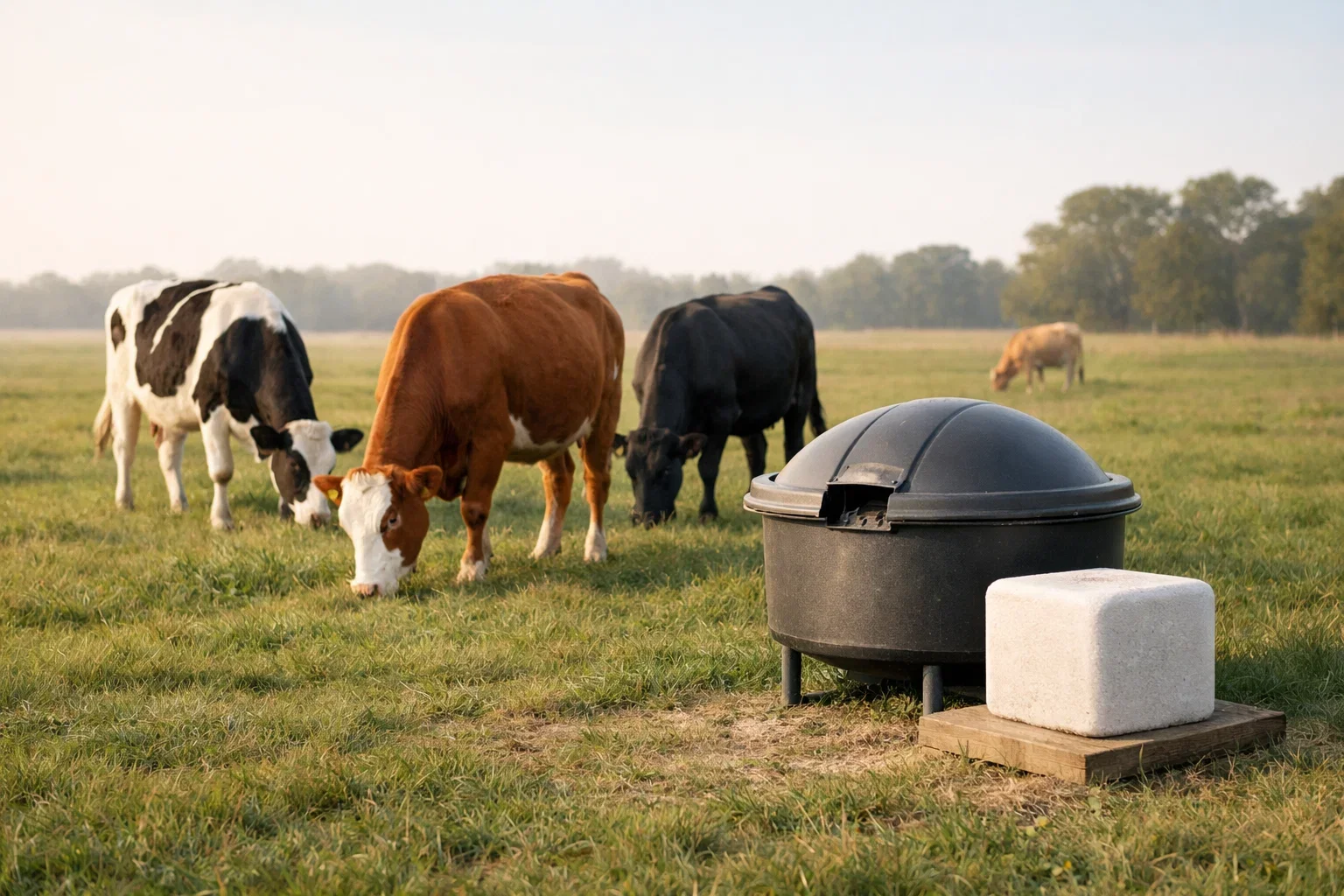
Feeding minerals to cattle plays a central role in building a productive, healthy, and consistent herd. Minerals support growth, milk production, fertility, and overall vitality, making them an essential part of daily feeding routines.
This guide explains how to feed minerals to cattle in a simple and practical way, helping farmers apply proven strategies that fit both small and large-scale operations. It also covers mixtures, types, and feeding methods in detail.
Why Minerals Are Important for Cattle
Minerals contribute to nearly every biological function in cattle, including bone development, enzyme activity, and metabolic balance. A proper mineral plan ensures animals perform at their full potential across all life stages.
When cattle receive balanced minerals, they show steady growth, improved milk yield, and strong physical condition. This creates a smooth and efficient farming experience.
Key benefits include:
- Strong skeletal structure and development
- Consistent milk production and quality
- Improved digestion and feed utilization
- Better reproductive performance
Types of Minerals for Cattle

Understanding the types of minerals for cattle is the first step in building a balanced feeding program. Each mineral group supports different functions in the body and works together for complete nutrition.
Farmers who understand these categories can easily adjust feeding strategies according to herd requirements.
Mineral Classification Table
| Mineral Category | Examples | Role in Cattle |
| Macro Minerals | Calcium, Phosphorus | Bone growth and milk formation |
| Magnesium, Sodium | Muscle function and fluid balance | |
| Micro Minerals | Zinc, Copper | Skin health and immune support |
| Selenium, Iron | Blood formation and reproduction |
Fact: Around 99% of calcium in cattle is stored in bones and teeth, highlighting its importance in maintaining structural strength.
How to Feed Minerals to Cattle Properly
When focusing on how to feed minerals to cattle, the main goal is to ensure consistent intake across the herd. Minerals can be provided in different forms depending on farm setup and feeding systems.
Choosing the right method ensures every animal gets access without stress or competition.
Common Feeding Methods
- Free-choice feeding: Minerals are placed in feeders so cattle can consume as needed
- Feed mixing: Minerals are blended with daily feed for controlled intake
- Water supplementation: Minerals are added to drinking water in balanced amounts
Each method works effectively when applied consistently and monitored regularly.
How to Give Mineral Mixture to Cattle

Understanding how to give mineral mixture to cattle helps farmers maintain proper dosage and avoid imbalances. A mineral mixture combines essential nutrients into a single, easy-to-use supplement.
It is usually added to concentrate feed to ensure equal distribution among all animals.
Daily Feeding Table
| Cattle Category | Daily Amount | Feeding Style |
| Calves | 25–30 grams | Mixed with starter ration |
| Growing Cattle | 40–50 grams | Added to daily feed |
| Lactating Cows | 60–80 grams | Mixed with concentrate |
| Dry Cows | 50–60 grams | Free-choice or mixed |
Providing minerals at a fixed time each day builds a habit in cattle and supports better intake consistency.
Homemade Mineral Mixture for Cattle
A homemade mineral mixture for cattle allows farmers to customize nutrition based on local resources. It also gives flexibility in managing feeding costs while maintaining quality.
Preparing the mixture properly ensures that cattle receive a balanced combination of essential nutrients.
Basic Homemade Formula
- 40% Dicalcium phosphate
- 20% Limestone powder
- 20% Salt
- 10% Magnesium sulphate
- 10% Trace mineral mix
Mix thoroughly and store in a clean, dry place. Add the mixture daily to cattle feed according to recommended amounts.
Fact: Trace minerals like selenium and zinc are required in small amounts but play a powerful role in supporting immunity and reproduction.
Mineral Feeding for Different Life Stages
Cattle require different mineral levels at each stage of life. Adjusting the feeding plan ensures animals receive the right nutrients as they grow and develop.
A stage-based approach helps maintain consistent performance and long-term herd success.
Feeding by Life Stage
- Calves: Focus on bone development and early growth
- Growing cattle: Support muscle growth and body structure
- Lactating cows: Increase minerals for milk production
- Dry cows: Maintain body condition and prepare for next cycle
This structured approach makes mineral feeding more effective and predictable.
Seasonal Mineral Feeding Strategy
Seasons can influence the availability of natural nutrients in grazing areas. Adjusting mineral feeding ensures cattle continue to receive balanced nutrition throughout the year.
Farmers can maintain consistency by slightly modifying mineral intake based on seasonal needs.
Seasonal Adjustments
- Summer: Provide additional salts and hydration support
- Winter: Focus on energy and mineral balance
- Rainy season: Ensure minerals compensate for diluted nutrients in forage
Seasonal planning supports uninterrupted cattle performance and productivity.
Best Practices for Mineral Feeding
Maintaining a consistent mineral feeding routine improves efficiency and results. Small adjustments in management can make a significant difference in herd health.
Following best practices helps farmers maximize the benefits of mineral supplementation.
Practical Tips
- Keep mineral feeders clean and accessible
- Protect minerals from moisture and contamination
- Monitor intake levels regularly
- Use uniform mixing techniques
- Maintain a consistent feeding schedule
These practices ensure minerals are used effectively across the herd.
Signs of Proper Mineral Intake
Balanced mineral feeding shows visible results over time. Observing cattle behavior and condition helps confirm that the feeding strategy is working effectively.
Healthy cattle reflect proper nutrition through both appearance and productivity.
Positive Indicators
- Steady growth and weight gain
- Improved milk yield and consistency
- Shiny coat and healthy skin
- Active and energetic behavior
These signs confirm that your approach to how to feed minerals to cattle is aligned with herd needs.
Improving Feed Efficiency with Minerals
Minerals play a role in improving how cattle utilize their feed. When minerals are balanced, digestion becomes more efficient, allowing cattle to get more value from their diet.
This leads to better performance without increasing cattle feed quantity.
Benefits of Improved Efficiency
- Better nutrient absorption
- Reduced feed wastage
- Consistent growth rates
- Enhanced overall productivity
This makes mineral feeding a smart investment for long-term farming success.
Building a Consistent Mineral Feeding Routine
Consistency is the key to successful mineral feeding. A well-planned routine ensures cattle receive nutrients regularly without variation.
Simple daily habits help maintain balance and improve results over time.
Routine Checklist
- Feed minerals at the same time daily
- Check feeders regularly
- Maintain proper storage conditions
- Adjust quantities based on herd size
A consistent system makes mineral feeding easy and effective.
Common Mistakes to Avoid
Mineral feeding works best when done with attention to detail. Avoiding common mistakes ensures smooth and reliable results.
A careful approach helps maintain balance and efficiency in feeding practices.
Points to Consider
- Uneven distribution of minerals
- Irregular feeding schedules
- Improper storage conditions
- Inconsistent mixing methods
Addressing these points ensures a strong and stable feeding system.
Conclusion
Learning how to feed minerals to cattle provides a strong foundation for improving herd health, productivity, and overall farm performance. With the right methods, balanced mixtures, and consistent routines, mineral feeding becomes a simple yet powerful part of cattle management.
For farmers looking to explore practical feeding solutions and high-quality options, platforms like midsouthfeeds.com offer valuable guidance and products that naturally align with modern cattle nutrition practices.
FAQs
1. What is the best way to feed minerals to cattle?
The best way is to provide minerals through free-choice feeders or by mixing them into daily feed for consistent intake. Farmers should choose a method based on herd size and feeding system.
2. How much mineral mixture should cattle consume daily?
Daily intake depends on the cattle type, with calves needing around 25–30 grams and lactating cows requiring 60–80 grams. Consistency in feeding ensures proper nutrient absorption.
3. Can I use a homemade mineral mixture for cattle?
Yes, a homemade mineral mixture can be used if it is properly balanced with essential nutrients like calcium, phosphorus, and trace minerals. Proper mixing and storage are important for effectiveness.
4. What are the main types of minerals for cattle?
Minerals are divided into macro minerals like calcium and phosphorus, and micro minerals like zinc and selenium. Both types work together to support growth, immunity, and reproduction.
5. How do I give mineral mixture to cattle properly?
Mineral mixture is usually mixed with concentrate feed to ensure equal distribution among all animals. Feeding at the same time daily helps maintain consistency.