 Dogs & Cats
 Cattle
 Equine
 Poultry
 Swine
Swine Goats & Sheep
 Game Bird
 Gamecock
 Deer & Wildlife
 Fish & Pond
 Rabbit
 Specialty
 Ingredients & Bulk
 Special Order
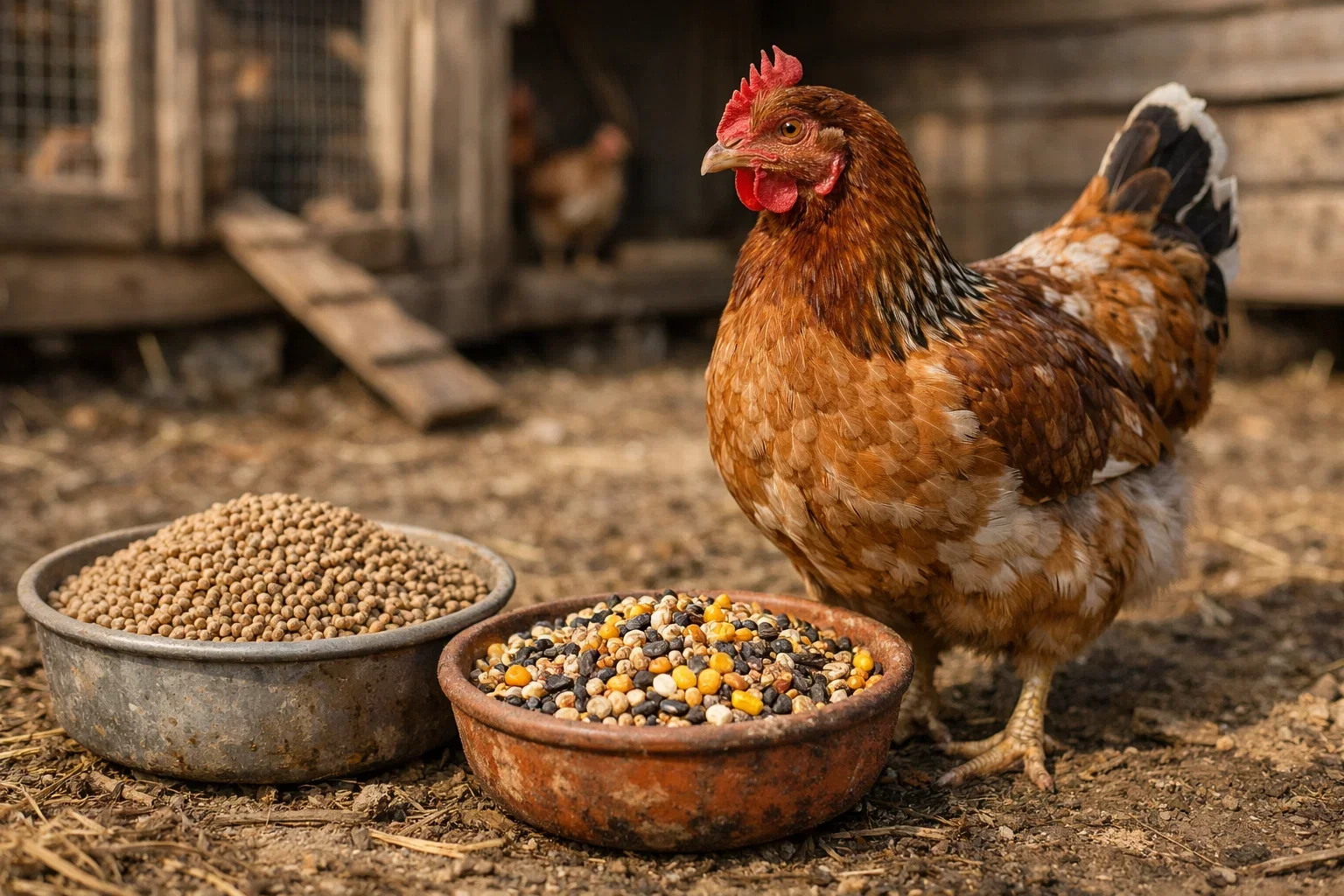
Proper feeding of poultry is among the most significant tasks of a person keeping chicken or gamecock. It is very common to have many poultry keepers find themselves short of normal chicken food and they start to enquire whether game bird feed can be used in its place. As the two feeds are both bird-specific, it might appear a simple alternative.
Game bird feed and chicken feed are, however, not quite identical. They are designed in relation to various species and crop requirements. The knowledge of the differences can guide poultry owners to make improved feeding decisions and prevent health problems.
Game bird food can be a temporary solution to chickens when administered with a lot of caution and under the right circumstances.
Understanding the Difference Between Game Bird Feed and Chicken Feed
The feed is generally formulated to meet the needs of birds like pheasants, quail and gamecocks that need more protein. These birds tend to be more active and they require more nutrients to build muscles and develop feathers.
Chicken food in turn is a higher protein feed tailored to the production of eggs, bone development and consistent growth. The formula usually has a little low level of proteins as compared to game bird designed feeds.
Numerous poultry owners who examine game bird diet versus chicken food are finding that the primary distinction between the two is their protein concentration and mineral proportion. Although both feeds are sources of energy and nutrients, they are used in different ways depending on the bird species.
Nutritional Differences Between Game Bird Feed and Chicken Feed

The nutritional composition of poultry feed directly affects bird health, growth, and productivity. Game bird feeds often contain higher protein levels because game birds grow rapidly and require stronger muscle development.
The table below highlights the common nutritional differences between the two types of feed.
| Nutrient | Game Bird Feed | Chicken Feed | Impact on Chickens |
| Protein | 24–30% | 16–20% | Higher protein may accelerate growth |
| Calcium | Lower levels | Higher levels | Chickens need calcium for eggshells |
| Energy | High energy grains | Balanced energy | Supports different activity levels |
| Vitamins | Designed for game birds | Designed for laying hens | Different nutrient balance |
These differences explain why poultry owners often ask is game bird feed good for chickens, especially when considering switching feed types.
Fact: Chickens raised for egg production require more calcium than most game birds because eggshell formation uses a significant amount of calcium daily.
Can Chickens Safely Eat Game Bird Feed?
The answer to this question is yes, in some cases the game bird food can be consumed by chicken. Nevertheless, it cannot be used on a long-term basis as a substitute of their normal diet.
Since game bird feed has a greater amount of protein, it can be of benefit to young birds or growing chickens. Protein assists in the development of strong muscles and strong feathers.
Nevertheless, there are nutritional imbalances that can develop when game birds are fed long-term using rations. Chickens can be fed inadequate amounts of calcium and other nutrients required to produce eggs.
Game bird feed ought to be used as an alternative and not as a permanent feeding method by the poultry keepers.
Situations Where Chickens May Eat Game Bird Feed

There are several scenarios where chickens might consume game bird feed without problems.
Common situations include:
- Temporary shortage of chicken feed
- Mixed flocks that include gamecocks or other game birds
- Raising young birds that require extra protein
- Emergency feeding situations on farms
In these cases, game bird feed can provide adequate nutrition until the proper feed becomes available.
Farmers managing mixed poultry flocks sometimes use a shared feed source to simplify feeding routines.
Can Baby Chicks Eat Game Bird Feed?
Chicken young children possess their own nutritional requirements that emphasize quick growth as well as development of their immunity. This provokes the question of many poultry owners, can baby chicks eat game bird feed.
The answer to this, in most instances, is yes, with some precautions. Game bird starter feeds may have high protein levels which encourage early growth. The feed however must be in crumble form to ensure easy consumption by the chicks.
The feed to be used by the poultry keeper should also be good in the sense that it should contain balanced vitamins and minerals that will help in developing the birds.
Related factors in feeding chicks are:
- Provide clean and fresh water at all times
- Use crumble-sized feed for easier digestion
- Avoid overly large pellets
- Monitor chick growth and health regularly
Proper feeding during early life stages helps chicks grow into healthy adult birds.
Benefits of Feeding Game Bird Feed to Chickens
Although it is not always the ideal long-term choice, game bird feed does offer some benefits for chickens.
Some advantages include:
- Higher protein content for muscle development
- Stronger feather growth during molting
- Increased energy levels in active birds
- Useful for mixed flocks containing gamecocks
These benefits explain why some poultry keepers consider game bird feed good for chickens when managing their birds.
For chickens that are not actively laying eggs, the higher protein content can sometimes support overall body condition.
Potential Risks of Feeding Game Bird Feed to Chickens
Despite its benefits, feeding game bird feed to chickens for long periods can cause nutritional problems.
The most common concerns include:
- Insufficient calcium for egg production
- Excess protein causing weight gain
- Nutritional imbalance over time
Layer hens need adequate calcium to produce strong eggshells. If their diet lacks calcium, eggshells may become thin or brittle.
Fact: A laying hen can use more than two grams of calcium every day to produce a single eggshell.
Because of this requirement, chicken layer feed typically includes calcium supplements such as crushed oyster shells.
Feeding Tips for Mixed Poultry Flocks
Many farms raise chickens and gamecocks together. Managing feeding in mixed flocks can be challenging because different birds require different nutrients.
The following feeding strategies can help maintain balanced nutrition:
- Provide separate feeding stations for different birds
- Supplement chicken diets with calcium sources
- Monitor bird health and egg production regularly
- Avoid sudden changes in feed type
These steps help ensure that both chickens and game birds receive the nutrients they need.
Mixed flock management requires observation and careful feeding routines.
Comparing Feeding Goals for Chickens and Game Birds
Understanding the feeding purpose for each bird type helps poultry keepers choose the right diet.
| Bird Type | Feeding Goal | Typical Protein Level | Key Nutrient Focus |
| Chickens (layers) | Egg production | 16–18% | Calcium and balanced nutrients |
| Chickens (broilers) | Rapid growth | 20–23% | Protein and energy |
| Game birds | Muscle and feather development | 24–30% | High protein and energy |
| Gamecocks | Strength and stamina | 22–26% | Protein and endurance support |
These differences highlight why game bird feed vs chicken feed is an important comparison when managing poultry diets.
Using the correct feed ensures birds develop properly and maintain good health.
Natural Supplements for Chickens Eating Game Bird Feed
If chickens are temporarily fed game bird feed, natural supplements can help balance their diet.
Common supplements include:
- Crushed oyster shells for calcium
- Fresh greens for vitamins
- Kitchen vegetable scraps in moderation
- Grit for proper digestion
These additions help improve digestion and fill potential nutritional gaps.
Providing a diverse diet often leads to healthier birds and stronger immune systems.
Maintaining Healthy Chickens and Gamecocks
Healthy poultry depend on several factors beyond feed alone. Proper housing, clean water, and disease prevention are equally important.
Good poultry management includes:
- Clean and dry coop conditions
- Proper ventilation
- Regular feed monitoring
- Routine health checks
Observing bird behavior can also reveal early signs of nutritional issues.
Chickens that appear active, alert, and well-feathered are usually receiving adequate nutrition.
Conclusion
Knowledge is that game bird feed can be fed to chickens as it helps poultry keepers make informed feeding decisions. Whereas, chickens can be safely fed on game bird feed in certain circumstances, it must mostly be an emergency measure compared to a long term substitute of chicken feed. The calcium level and nutrient difference indicate that chickens continue to have the most benefits when using the feed that is tailored to their needs.
For poultry owners looking for dependable feed options, reliable suppliers like Mid South Feed provide balanced feed solutions for chickens, gamecocks, and other poultry. Choosing quality feed from trusted sources helps ensure birds stay healthy, productive, and well-nourished throughout their lives.
FAQs
1. Can chickens eat game bird feed safely?
Yes, chickens can eat game bird feed for a short period if regular chicken feed is unavailable. The feed contains higher protein which is generally safe for chickens temporarily. However, it should not replace chicken feed for long-term feeding.
2. Is game bird feed good for chickens long term?
Game bird feed is not ideal for long-term use because it lacks the calcium levels needed by laying hens. Chickens require calcium to produce strong eggshells and maintain bone health. For consistent health and egg production, standard chicken feed is a better option.
3. What is the difference between game bird feed and chicken feed?
The main difference between game bird feed vs chicken feed is the protein and mineral balance. Game bird feed usually contains higher protein while chicken feed contains more calcium for egg production. Each feed is formulated specifically for the nutritional needs of different birds.
4. Can baby chicks eat game bird feed?
Yes, baby chicks can eat game bird starter feed if it is in crumble form and contains balanced nutrients. The higher protein level may support early growth and feather development. Poultry keepers should still monitor chick health and growth closely.
5. Why does game bird feed contain more protein?
Game birds such as quail and pheasants grow quickly and require strong muscle development. Because of this, their feed usually contains higher protein levels than chicken feed. The extra protein supports feather growth, strength, and higher activity levels.