 Dogs & Cats
 Cattle
 Equine
 Poultry
 Swine
Swine Goats & Sheep
 Game Bird
 Gamecock
 Deer & Wildlife
 Fish & Pond
 Rabbit
 Specialty
 Ingredients & Bulk
 Special Order
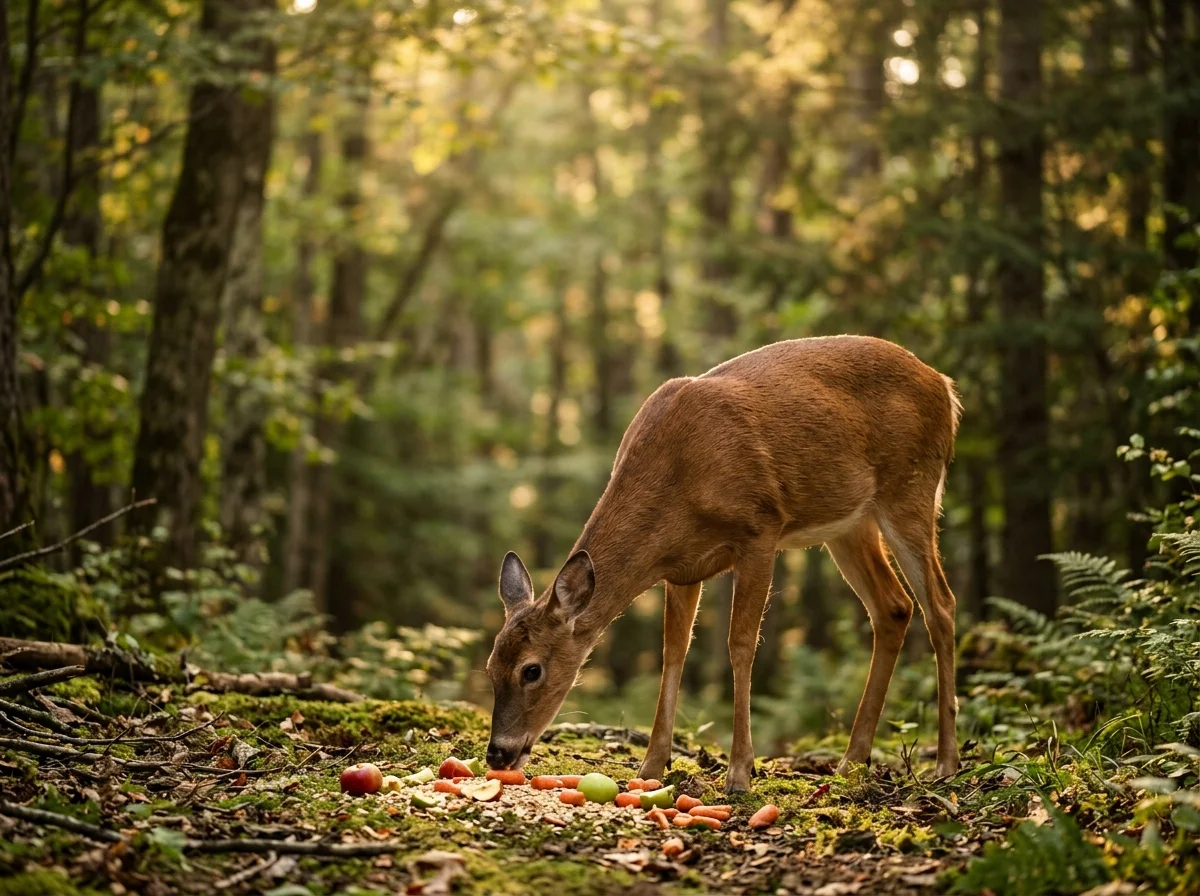
Wild deer are beautiful animals that many people love to watch in their backyards or during nature walks. If you’ve ever wondered what you can feed wild deer, you’re not alone. Millions of people want to help deer, especially during harsh winters. But before you start tossing food their way, it’s important to know what’s safe, what’s harmful, and what the experts recommend.
What Do Wild Deer Eat Naturally?

To understand what you can safely offer deer, it helps to first know what wild deer eat in the wild. Deer are herbivores, which means they only eat plants. Their natural diet changes with the seasons.
In spring and summer, deer munch on fresh grasses, wildflowers, and leafy plants. In fall, they shift to acorns, berries, and fruits. In winter, when food is scarce, they rely on woody plants, bark, and dried leaves. Their digestive systems are built to handle this variety of fibrous, plant-based food.
Is It Safe to Feed Wild Deer?
This is one of the most important questions to ask. Is it safe to feed wild deer? The honest answer is: it depends on what and how you feed them.
Feeding deer the wrong foods can actually harm them. Deer have sensitive digestive systems that are filled with special bacteria to break down their natural diet. When you suddenly introduce new food like bread or corn it can disrupt their gut bacteria and cause serious illness, or even death. This condition is called “grain overload” or “acidosis.”
That said, feeding deer the right foods in the right amounts can be done responsibly, especially when guided by products made by trusted animal food manufacturers.
What Can Deer Eat Besides Grass?
People often ask, what can deer eat besides grass? The good news is that deer enjoy a wide variety of natural foods. Here’s a quick breakdown:
Safe Foods for Wild Deer:
- Apples (cut into pieces, not whole)
- Carrots and other root vegetables
- Pears and other soft fruits
- Acorns and chestnuts
- Oats (plain, not flavored)
- Leafy greens like kale and lettuce
Foods to Avoid:

- Bread, crackers, or baked goods
- Corn (in large amounts can cause acidosis)
- Potatoes (hard to digest)
- Dog or cat food
- Anything with salt, sugar, or artificial flavoring
- Processed human snacks
Keeping this list in mind can help you make safer choices if you decide to feed local deer.
Safe Foods at a Glance
Here’s a helpful table to quickly compare safe and unsafe foods for wild deer:
| Food Item | Safe for Deer? | Notes |
| Apples | ✅ Yes | Cut into small pieces |
| Carrots | ✅ Yes | Great natural treat |
| Oats | ✅ Yes | Plain oats only |
| Acorns | ✅ Yes | Natural favorite |
| Bread | ❌ No | Causes digestive issues |
| Corn (large amounts) | ❌ No | Can lead to acidosis |
| Processed snacks | ❌ No | Harmful additives |
| Dog/cat food | ❌ No | Wrong nutrient profile |
Should You Use Commercial Deer Feed?
If you want to feed wild deer regularly, using a quality deer feed product is often the safest option. These products are carefully designed by animal food manufacturers to meet the nutritional needs of deer without disrupting their digestion.
Commercial deer feed typically contains a balanced mix of grains, vitamins, and minerals. Unlike random table scraps, these feeds are tested and formulated to be safe. You can find deer feed at most farm supply stores or outdoor retailers.
Some companies even offer specialty feed blends designed for specific seasons. For example, a winter specialty feed might have higher fat content to help deer stay warm, while a spring blend might support antler growth in bucks. If you’re serious about supporting local deer populations, investing in a proper specialty feed from a reputable brand is worth it.
Best Practices for Feeding Wild Deer

Even with the right food, how you feed deer matters just as much as what you feed them. Follow these simple tips to keep deer safe and healthy:
- Start small: Introduce new foods gradually so deer can adjust their digestive systems.
- Spread food out: Don’t pile food in one spot; it can cause competition and spread disease.
- Keep it clean: Remove leftover or moldy food quickly to prevent illness.
- Don’t feed by hand: Deer that lose their fear of humans can become a safety risk.
- Check local laws: In some states, feeding wild deer is actually illegal. Always check your local wildlife regulations first.
Seasonal Feeding Guide
Deer’s nutritional needs change throughout the year. Here’s a simple guide to what works best each season:
| Season | What to Offer | Why It Helps |
| Spring | Fresh fruits, leafy greens | Supports recovery after winter |
| Summer | Natural grazing is best | Deer find plenty on their own |
| Fall | Apples, acorns, pears | Helps them build fat for winter |
| Winter | Oats, quality deer feed | Supplements scarce natural food |
In winter especially, many people turn to commercial deer feed from trusted animal food manufacturers to make sure deer get proper nutrition when natural food is buried under snow.
When Feeding Becomes Harmful
It’s easy to feel like you’re helping deer when you toss them food, but there are real risks to unregulated feeding:
- Disease spread: Deer gathered at a feeding spot can easily pass diseases like Chronic Wasting Disease (CWD) to each other.
- Dependency: Deer that are fed regularly may stop foraging naturally, making them vulnerable when the food source disappears.
- Habitat damage: Large groups of deer attracted to one spot can destroy local plants and gardens.
- Human conflicts: Deer that become comfortable around humans can become aggressive, especially during breeding season.
If you love deer, the kindest thing you can do is support their natural habitat, plant native trees, maintain natural water sources, and use specialty feed only as a supplement, not a replacement for their wild diet.
Final Thoughts
So, what can you feed wild deer? The safest options are natural foods like apples, carrots, oats, and acorns. If you want to go further, quality deer feed products made by reputable animal food manufacturers are a smart, responsible choice. Seasonal specialty feed blends can provide targeted nutrition when deer need it most.
The key is to feed thoughtfully with the right foods, in the right amounts, at the right time of year. When done properly, supplemental feeding can be a wonderful way to connect with nature and support local wildlife. Just remember: wild deer are wild for a reason
FAQs
1. What can you feed wild deer safely?
You can safely feed wild deer apples, carrots, oats, pears, and acorns in small amounts. These foods are closest to their natural diet and do not disrupt their digestion.
2. Is it safe to feed wild deer bread or corn?
Bread is unsafe and should never be given to deer because it causes digestive issues. Corn is only safe in very small amounts, as large quantities can lead to serious health problems.
3. Can wild deer eat fruits and vegetables?
Yes, deer can eat fruits like apples and pears as well as vegetables like carrots and leafy greens. These should always be fresh, cut into small pieces, and given in moderation.
4. Should I use commercial deer feed for wild deer?
Yes, commercial deer feed from trusted animal food manufacturers is a safer option than random human food. It is specially formulated to provide balanced nutrition without harming their digestive system.
5. Is feeding wild deer a good idea?
Feeding deer occasionally with safe foods can help in harsh seasons like winter. However, overfeeding or regular feeding can cause dependency and health risks, so it should be done carefully.